
Last updated November 23, 2026
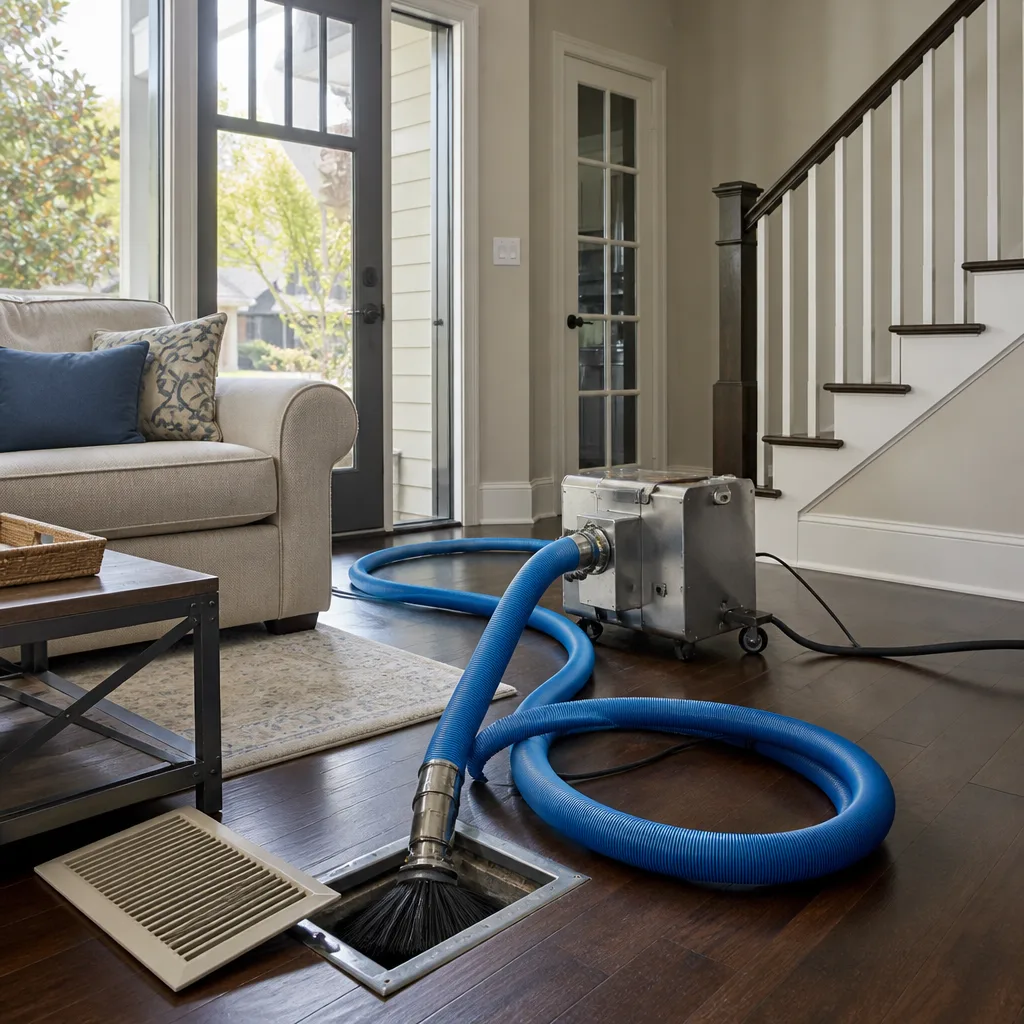 Whole-home duct cleaning
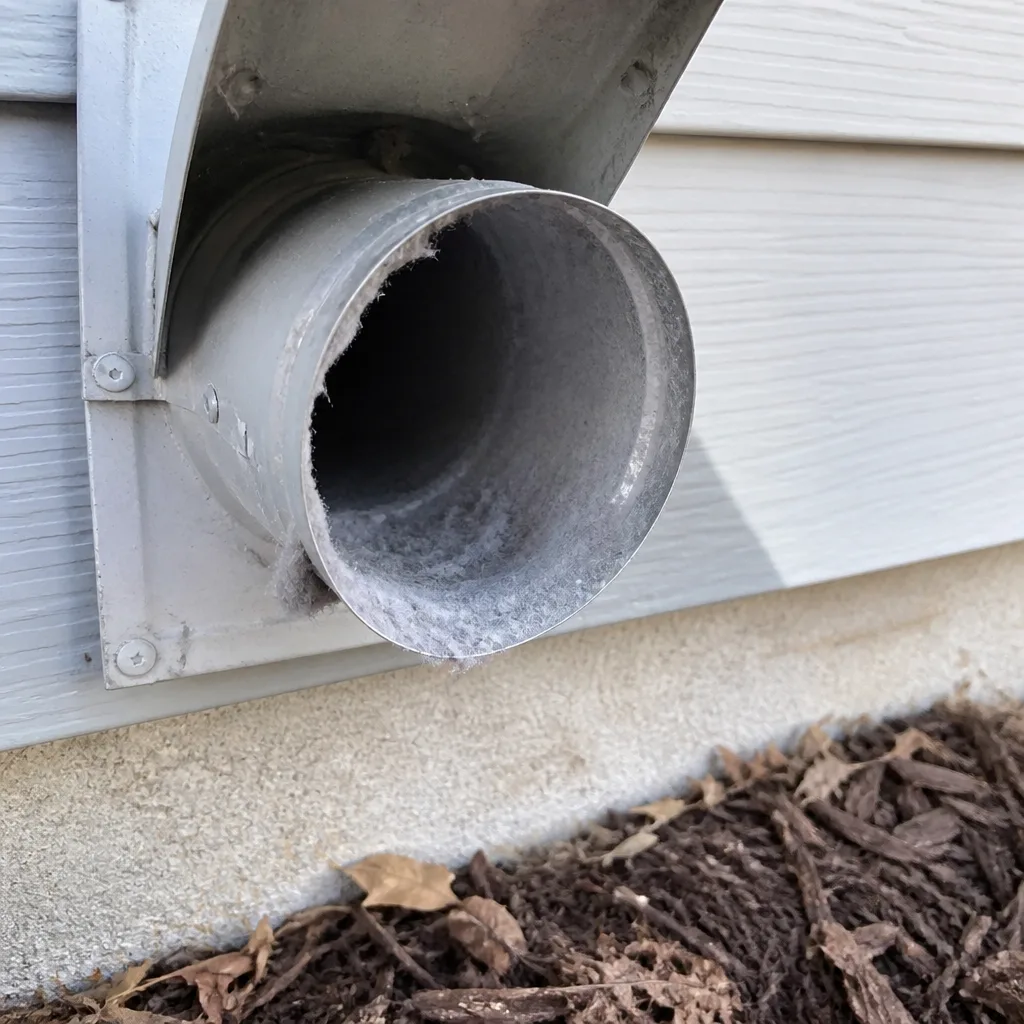 Dryer vent cleaning
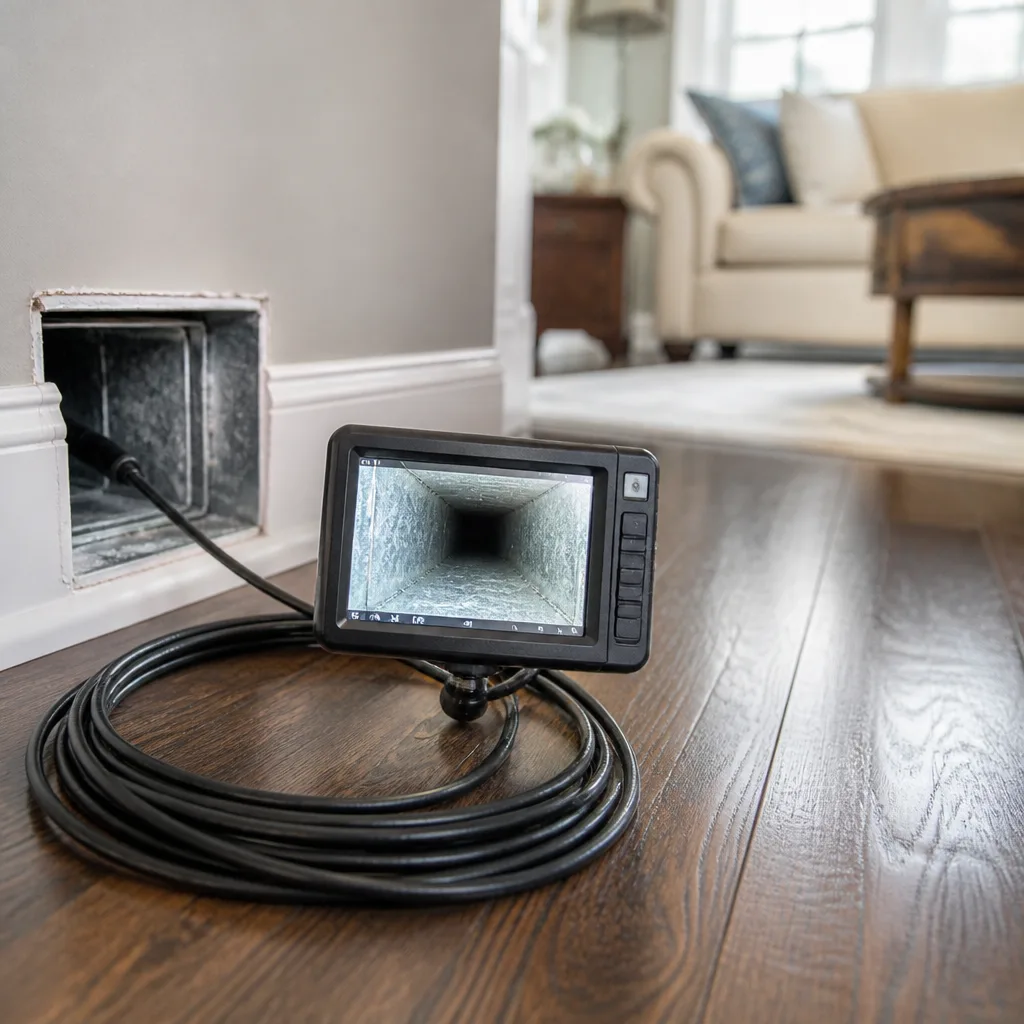 Camera inspection
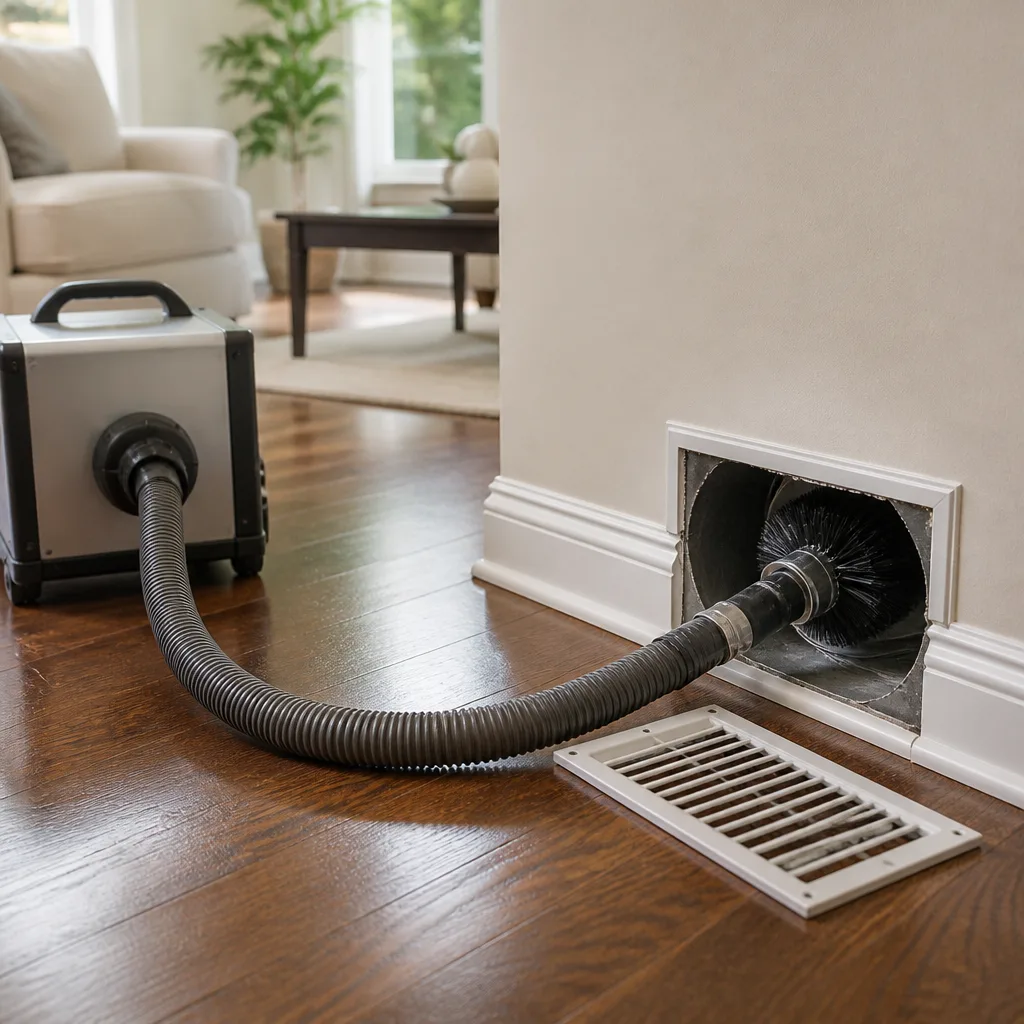 Sanitizing & deodorizing
Whole-system duct and dryer vent check with before-and-after photos - you see exactly what came out of your vents
That "$99 whole-house special" is a bait ad - the real number appears once they are in your hallway, or the "clean" is a shop-vac at the register. We photograph the inside of your ducts before and after instead.
Seasonal Air Duct Cleaning Care for Boulder: Year-Round Homeowner’s Guide
Most homeowners treat duct cleaning as a once-a-year chore, or something to schedule when the vents start looking dusty. In Boulder, that approach misses the point. This city sits at the foot of the Flatirons and gets some of the widest daily temperature swings in the continental U.S., up to 40°F in a single day. Your duct system expands and contracts with every one of those swings, gradually loosening the joints and seams that were tight when they were first installed. On top of that, Boulder moves through four distinct air quality seasons: spring snowmelt and crawlspace condensation, summer and early fall wildfire smoke, a fall transition into heating, and dry high-altitude winter air. Each one stresses your ducts in a different way. This guide walks through what actually happens to your system month by month, what to watch for, and how to build a 12-month care calendar around Boulder’s real climate instead of an arbitrary annual date.
Quick Answer
In Boulder, air ducts should be inspected once a year and cleaned when debris, dust, or smoke residue builds up, with the timing driven by season: a pre-heating inspection in fall before the furnace first runs, a post-wildfire-smoke inspection in late summer, and a humidity check on crawlspace ductwork in spring. Winter is mostly a monitoring period for dry-air dust and static buildup. A Boulder-specific 12-month calendar does more for indoor air quality than any single cleaning appointment.
Styles & brands we work with
- Whole-home duct cleaning
- Dryer vent cleaning
- Camera inspection
- Sanitizing & deodorizing
Table of Contents
- Why Boulder’s Climate Is Hard on Ductwork
- Spring (March – May): Snowmelt, Humidity, and Crawlspace Condensation
- Summer and Early Fall (July – October): The Wildfire Smoke Protocol
- Fall (October – November): The Pre-Heating Inspection
- Winter (December – February): Dry Air, Static, and Dust Adhesion
- Building a 12-Month Boulder Duct Care Calendar
- Common Mistakes to Avoid
- When to Call a Professional
Why Boulder’s Climate Is Hard on Ductwork
Ductwork is metal, fiberglass, or flexible plastic tube. All of those materials change dimension with temperature. In a climate that swings 40°F between a cold night and a sunny afternoon, a run of sheet metal duct can expand by a measurable fraction of an inch and then contract back within a single day. Over a heating season, that’s hundreds of cycles on every seam, every taped joint, every collar connection.
The result isn’t dramatic. It’s a slow loosening. Seams that were sealed with mastic or foil tape when the house was built develop hairline gaps. Those gaps become the path of least resistance for air in a pressurized plenum. Instead of reaching a bedroom register, conditioned air escapes into a basement, attic, or crawlspace. In our experience around Boulder, the most common sign is a room that never quite heats or cools the way the rest of the house does, even when the furnace or heat pump is running hard.
Add Boulder’s altitude and the story gets a second twist. At roughly a mile above sea level, the air is thin (lower air density, less moisture carried per cubic foot), and in winter especially it’s dry. Dry air means more static charge along duct surfaces, and a charged metal duct attracts fine dust the way a charged balloon picks up paper bits. That dust sticks, then releases in visible puffs when the blower kicks on.
The fix is a full-system approach: clean the ducts, seal the leaking joints, and, where the problems are airborne, address filtration and humidity. Cleaning alone removes what’s there. Sealing keeps new contaminants from getting a path in.
Spring (March – May): Snowmelt, Humidity, and Crawlspace Condensation
Boulder’s spring is a slow thaw. Snowpack in the foothills above the city melts from March into May, and warm daytime temperatures combine with ground that’s still cold from winter. The result is a real and specific moisture problem, especially in homes with ductwork running through a crawlspace or a partially finished basement.
Cold duct surfaces sitting in a warming, moister crawlspace attract condensation. Water beads on the outside of the duct, and if it’s insulated poorly or the vapor barrier has a tear, moisture reaches the inside. Metal duct that stays damp for weeks is a surface where dust and biological debris can settle and stay wet, which is the condition that turns a normal dust layer into something more significant.
Here’s what to check on your own in the spring:
- Visible moisture on duct runs. A damp sheen on the outside of a crawlspace duct, droplets on the insulation, or a musty smell when the blower starts.
- Standing water at the base of the crawlspace or near a duct support. Even a small puddle that stays for weeks needs to be addressed before it becomes a duct problem.
- Discolored or sagging insulation wrap. It might just be wear. It might also be a sign that condensation has been soaking in.
What to monitor, not panic about: a single condensation event on a cold morning after a warm night is normal. An ongoing damp condition through March and April is not. If the moisture goes away within a day or two, monitor. If it’s persistent, or you can smell dampness or mustiness when the system starts up, that’s a call-a-professional moment. Professional-grade equipment matters here: we use Rotobrush and Nikro duct cleaning systems with HEPA-level filtration to contain debris during cleaning, and Abatement Technologies equipment for containment and air scrubbing, so the dust and contaminants we remove don’t redistribute through the house.
Spring is also a reasonable window for air duct cleaning if you didn’t get to it in the fall. Doing it now, before air conditioning kicks into heavy use, means you’re starting the cooling season with a clean system.
Summer and Early Fall (July – October): The Wildfire Smoke Protocol
Boulder’s smoke season doesn’t follow a strict calendar. In a bad year it starts in July. In a mild year it might be late August. But any Boulder homeowner who has lived here through a smoke event knows the smell inside the house before the windows are fully closed. Wildfire smoke is a mix of fine particulates, gases, and resins. Once it enters your return ducts and coats the inside of the system, it doesn’t leave just because the sky clears.
The homeowner response has three parts: keep smoke out, keep the system protected, and inspect the ducts after.
1. Keep smoke out
Close windows and doors before the smoke arrives, not after. If you have a fresh-air intake or an economizer on the HVAC system, know how to close it. Seal gap areas around the front door, the sliding door, and any exterior wall penetrations with weatherstripping or a temporary seal. Smoke gets in through small gaps; a 1/8-inch gap under a door is a real path for fine particulate.
2. Run the system vs. seal it off
If your HVAC system has a filter rated for fine particulate, run the fan continuously during a smoke event. That’s the tool most likely to reduce indoor particulate levels. The filter catches some of what’s coming in and the air handler moves air through the filter rather than letting it settle. If your system only has a basic 1-inch fiberglass filter, running the fan continuously is less useful, because the filter is not tuned for fine particulate.
If you don’t have a higher-rated filter, this is the season to upgrade. MERV filter ratings are the standard measure; talk to a technician about what your air handler can handle without restricting airflow. We install Honeywell air quality products and can walk through filtration options that match your actual system.
3. Post-smoke inspection
Once a smoke event has ended, wait a few days for the air to clear, then check:
- Any noticeable smoke odor when the system starts up. That’s the sign that smoke has coated interior duct surfaces.
- Visible dark residue or fine ash at the register diffusers, especially on the return side.
- Visible dust or soot on the filter and the filter housing.
- A sudden increase in allergy-like symptoms that track with the smoke event and don’t fade when the smoke does.
If any of those are true, it’s time for professional cleaning. A shop vacuum and a surface wipe at the vents won’t reach the duct interior. System-level cleaning with a Rotobrush or Nikro unit and containment with Abatement Technologies equipment removes what a homeowner can’t reach.
This is also the season for dryer vent cleaning if you haven’t done it recently. Summer is when lint builds up fastest, because more loads of laundry run and the vent runs hotter. Lint accumulation is a fire risk that gets worse the longer it’s ignored, and dryer vent cleaning is a separate job from duct cleaning even though both matter for home safety.
Fall (October – November): The Pre-Heating Inspection
Fall is the single most important season for Boulder duct care, and it’s the one most homeowners skip. The furnace is about to run for the first time since spring. Whatever dust, debris, smoke residue, or moisture damage accumulated over the summer sits in the system. When the blower first kicks on, all of that becomes airborne in the first hour of the heating season.
A pre-heating inspection in October or early November catches problems before they become winter problems. Here’s what a thorough one covers:
- Heat exchanger inspection. A cracked heat exchanger can release combustion gases into the supply air. This is a safety issue, not a maintenance one. Any technician inspecting a furnace should check the heat exchanger and flag anything suspect before the heating season starts. This is not a homeowner check; leave it to a trained professional.
- Return plenum inspection. The return plenum is the duct section carrying air from the house back to the furnace. It’s often the most-contaminated section, because it’s downstream of every register and every return grille. Look for loose joints, gaps, disconnected sections, or visible buildup inside the plenum.
- Duct joint and seal check. Thermal cycling loosens joints. A gap that was 1/16 inch before summer might be 1/8 inch now. Sealing those joints before heating season keeps conditioned air where it belongs.
- Air filter replacement. Replace before the first cold snap, not after. A clogged filter on the first day of heating season stresses the blower.
- Register and grille check in every room. Some registers get covered with furniture in the fall, or by a rug. Every return grille should be unobstructed.
- Duct insulation condition. Foil or fiberglass wrap in an attic or crawlspace can degrade over the summer, especially if anything got wet. Any sagging or curling insulation needs to be addressed before the ducts sit under a full winter of heating cycles.
This is also the best window for HVAC cleaning, because it aligns with the transition from cooling to heating. Cleaning the whole system, not just the ducts, gets the blower wheel, the coil, and the drain pan in step with the ducts and the air handler.
One practical note: book this work early. The first cold week of the year is when the phone lines fill up, and getting the system done in October is more reliable than trying to schedule it during a November cold snap.
Winter (December – February): Dry Air, Static, and Dust Adhesion
Winter is Boulder’s monitoring season, not its heavy cleaning season. The heating system runs most days, and the air gets very dry. That dryness has a specific effect on duct surfaces: it increases static charge and causes fine dust to adhere to duct walls instead of moving with the airstream. When the blower first kicks on in the morning, that static-adhered dust can release as a visible puff at the register.
You’ll see this more in older homes in Boulder neighborhoods where the ductwork is original sheet metal (think Mapleton Hill or the Whittier area). Newer homes with sealed ductwork have the same physics, but fewer gaps, so there’s less dust infiltration in the first place.
What’s worth watching in winter:
- Visible dust puffs at registers when the heat first kicks on. Small amounts are normal. Consistent puffs every morning suggest a lining of static-adhered dust worth addressing.
- Static shocks from light switches, doorknobs, or metal register covers. Not harmful in itself, but a signal that indoor humidity is very low and dust adhesion on duct surfaces is likely high.
- Dry throat, nose, or skin at home. Not a duct problem by itself, but a symptom that the indoor air is very dry, and low humidity amplifies the dust behavior.
- Room-by-room unevenness. A room that’s colder than the rest of the house in winter, even with the register open, is worth investigating for a duct leak or an obstructed run.
Winter is a good time to think about humidification and air quality products that address the dry-air problem at the system level. We install Aprilaire products and Honeywell air quality devices, and the right choice depends on your system and how the ductwork is laid out. A humidifier on the supply side of the system adds moisture before the air reaches the register, which is more effective than a portable unit that only serves one room.
Winter is also a good time for dryer vent cleaning if the summer window was missed, since more laundry runs during the cold months and lint accumulates faster in a vent that’s already partially clogged.
Building a 12-Month Boulder Duct Care Calendar
A Boulder-specific calendar looks different from a national one. The goal is to line service up with the highest-impact seasonal window, not to schedule something on an arbitrary annual date. Here’s a workable framework:
March – May: Spring moisture check
Walk the crawlspace or basement and look for condensation on duct runs. If ducts are clean and joints tight, monitor. If there’s visible moisture, persistent dampness, or musty odor when the system runs, schedule professional service. Spring is also a good window for air duct cleaning before cooling season.
June: pre-summer filter and inspection
Replace the filter, check that the condensate drain is clear, check the return plenum and any exterior duct runs for loose insulation or gaps. A short inspection now saves a mid-July emergency call.
July – October: wildfire smoke watch
During a smoke event, run the system continuously with a rated filter and seal gaps around doors and windows. After the event, inspect for odor, residue, and filter condition. Call for cleaning if the signs are there. This is the season for HVAC cleaning if the system took on smoke.
October – November: pre-heating inspection
Book the full-service inspection described above. Heat exchanger, return plenum, duct joints, filter, insulation, every register and grille. If the system is dirty, clean it now. If the ducts are leaking, have them sealed now. Fall is the season to call.
December – February: monitor and manage dry air
Watch for static-related dust puffs, check humidification, and watch room-by-room consistency. Winter is not the season for a full cleaning unless the system was in bad shape in the fall.
If you want a simpler rule: one full-system inspection per season, cleaning or sealing only when the inspection shows it’s needed. That rhythm aligns with Boulder’s climate and catches problems before they compound. Rotobrush and Nikro cleaning systems with HEPA-level filtration, plus Abatement Technologies containment when needed, are the tools a professional brings to the seasonal job.
If you’d like the full context on what a duct cleaning visit actually involves, the service page for Boulder Air Duct Cleaning Pros lays out the process step by step.
Common Mistakes to Avoid
- Cleaning the ducts once and never sealing them. A dusty system will stay dusty if the joints are open. Cleaning without sealing leaves the same gaps that let dust and smoke get into the ducts in the first place. For most homes with original ductwork in Boulder, an inspection should cover both cleaning and sealing.
- Relying on a basic 1-inch fiberglass filter during smoke season. A low-rated filter catches very little fine particulate. A MERV upgrade is worth considering for any home that gets smoke. If you’re not sure what your system can handle, ask a technician before changing the filter.
- Skipping the fall pre-heating inspection. The fall inspection is where safety problems like a cracked heat exchanger show up. Waiting until winter to find out is not a good plan. Book it in October.
- Ignoring crawlspace moisture as a “spring thing.” Persistent condensation on crawlspace ductwork in Boulder can be a sign that the vapor barrier has failed or a plumbing issue is present. Duct cleaning won’t fix that. First fix the source of the water, then clean.
- Running the fan continuously during smoke season with a clogged filter. Running with a clogged filter restricts airflow and can stress the blower. Check the filter first, replace if dirty, then run the system.
- Assuming winter dry air is “just Boulder.” Yes, the air is dry. But a home that generates daily static shocks and visible dust puffs at the register is worth investigating. Humidification and the right air quality products, like the Aprilaire or Honeywell options, help address the discomfort at the system level.
- Skipping dryer vent cleaning while the duct cleaning happens. Lint is a fire risk, and a clogged vent worsens with every load of laundry. Combine the two services if both are overdue.
When to Call a Professional
Call if you see visible dust puffs at the registers every morning, notice a persistent musty smell when the system starts, spot condensation on crawlspace ducts that won’t dry out, or see dark residue at the return grilles after a wildfire smoke event. Call if a room stays consistently cooler or warmer than the rest of the house, if static is constant in winter, or if the last duct cleaning was more than a few years ago. Call before running the furnace for the first time in fall if there’s any chance of a cracked heat exchanger. And if you’ve just moved into a home in Boulder and don’t know its service history, a single full-system inspection gives you a baseline.
Our technicians have up to 13 years of experience, and we use professional-grade Rotobrush and Nikro duct cleaning systems with HEPA-level filtration, Abatement Technologies containment and air scrubbing on higher-risk jobs, and Guardsman-grade surface protection to keep the house clean during a visit. Boulder Air Duct Cleaning Pros offers free estimates in Boulder. Call (833) 554-4046. We answer 24/7. Fast dispatch from 7am to 7pm, Sunday through Friday.
See the difference
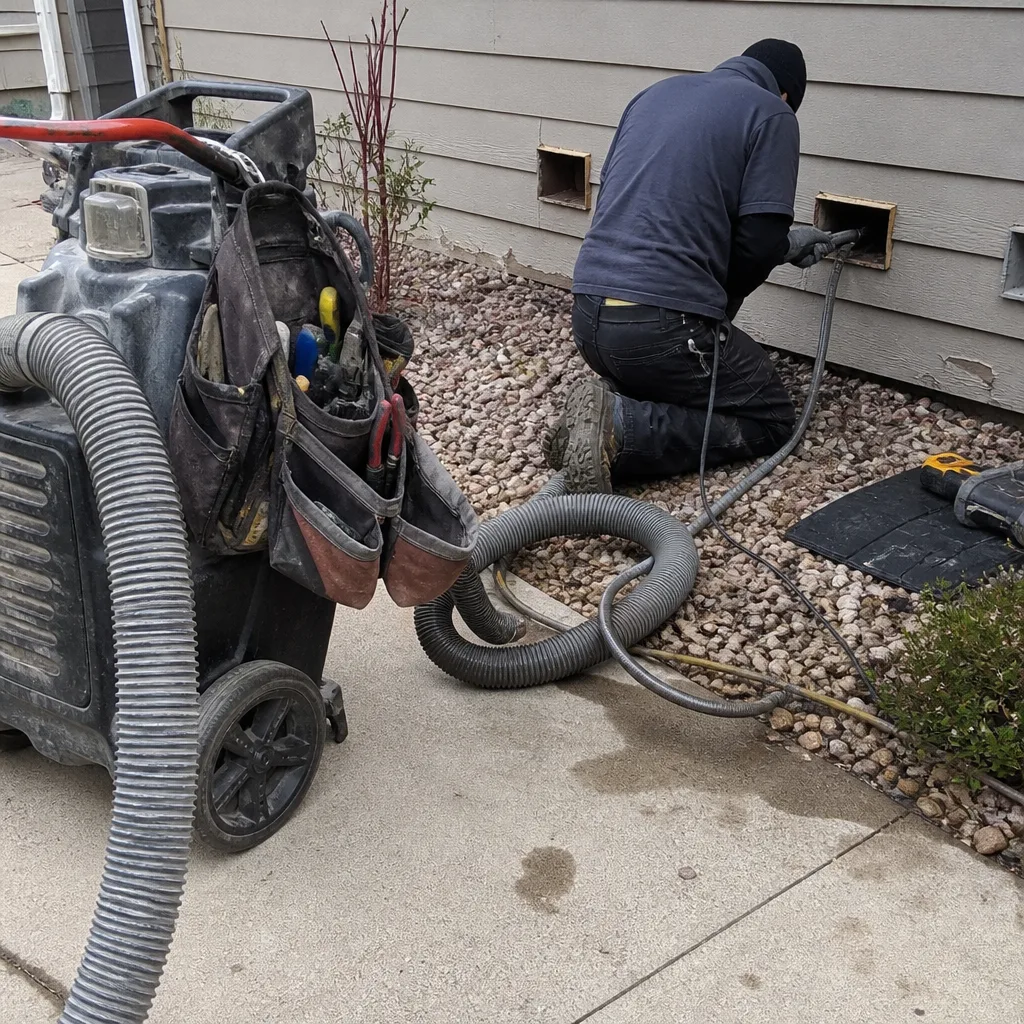 Before
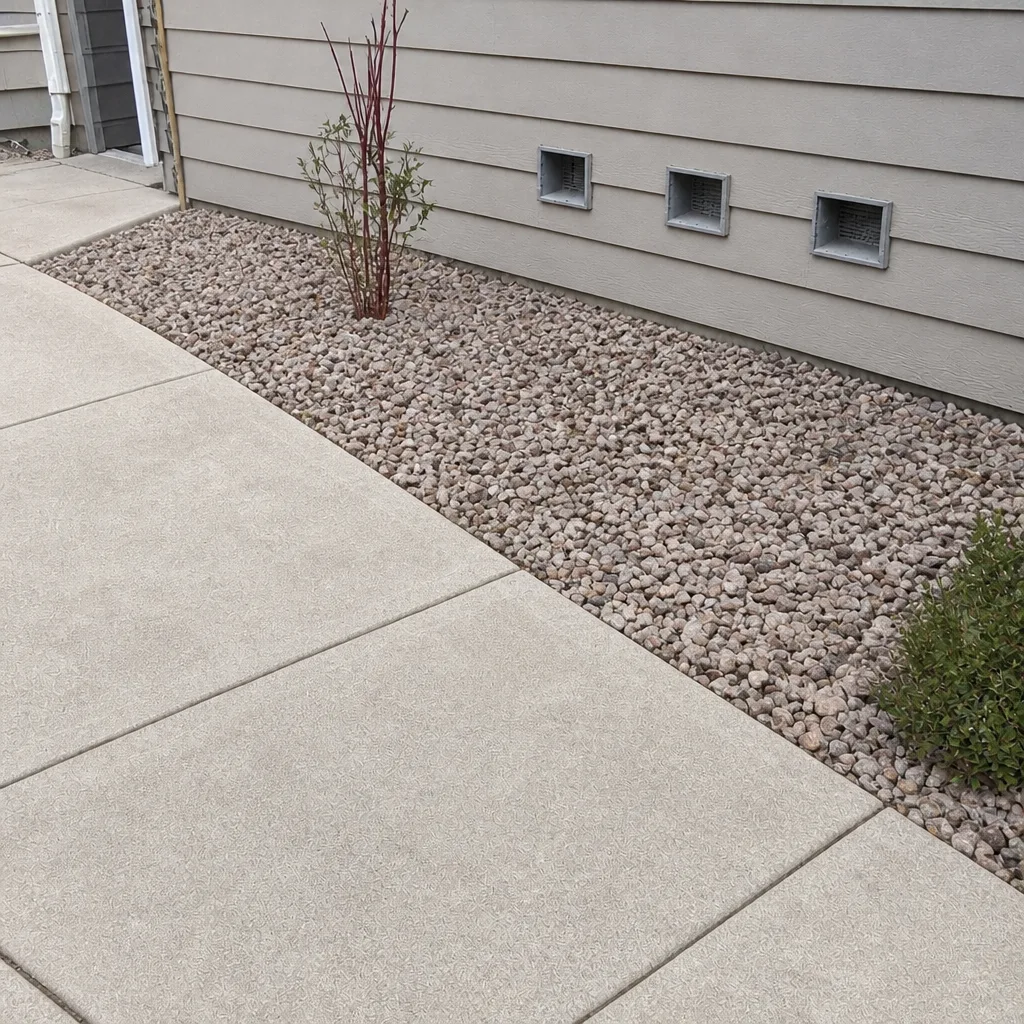 After
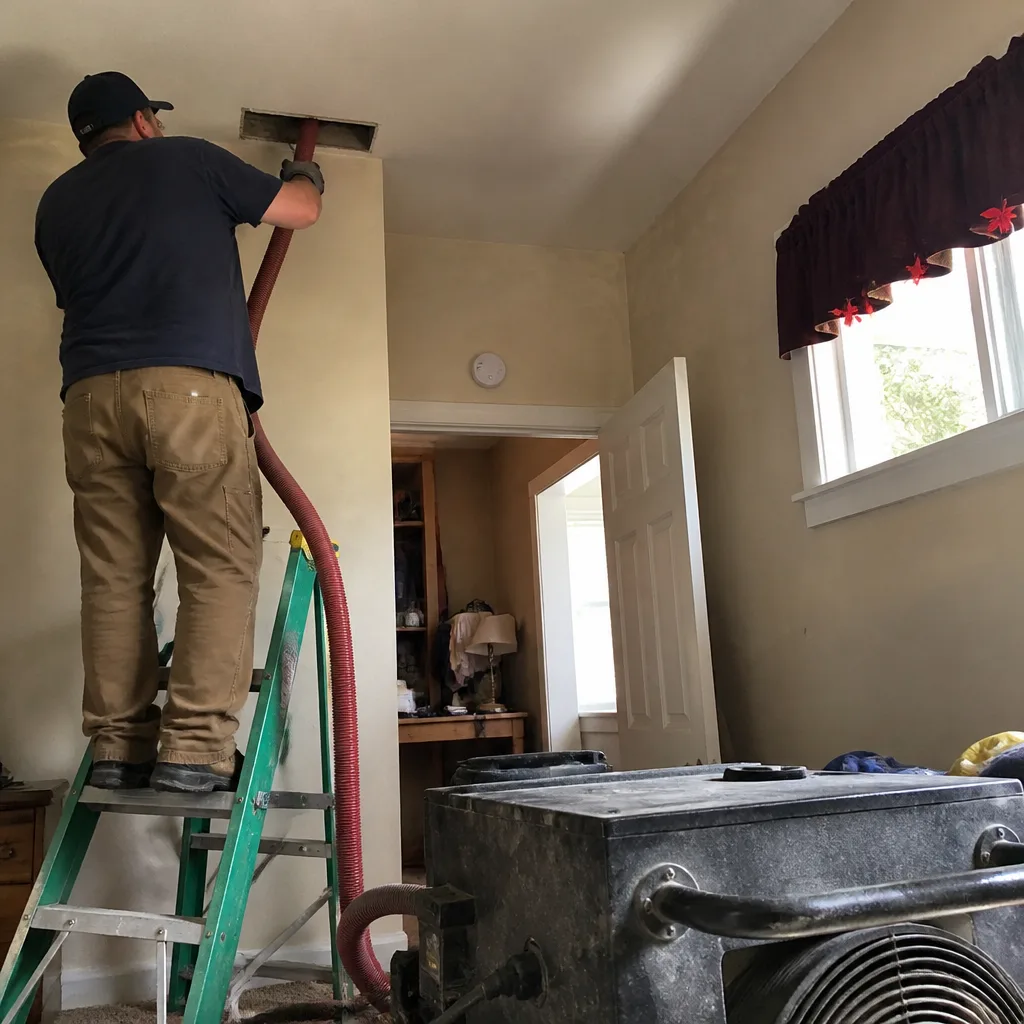 Before
 After
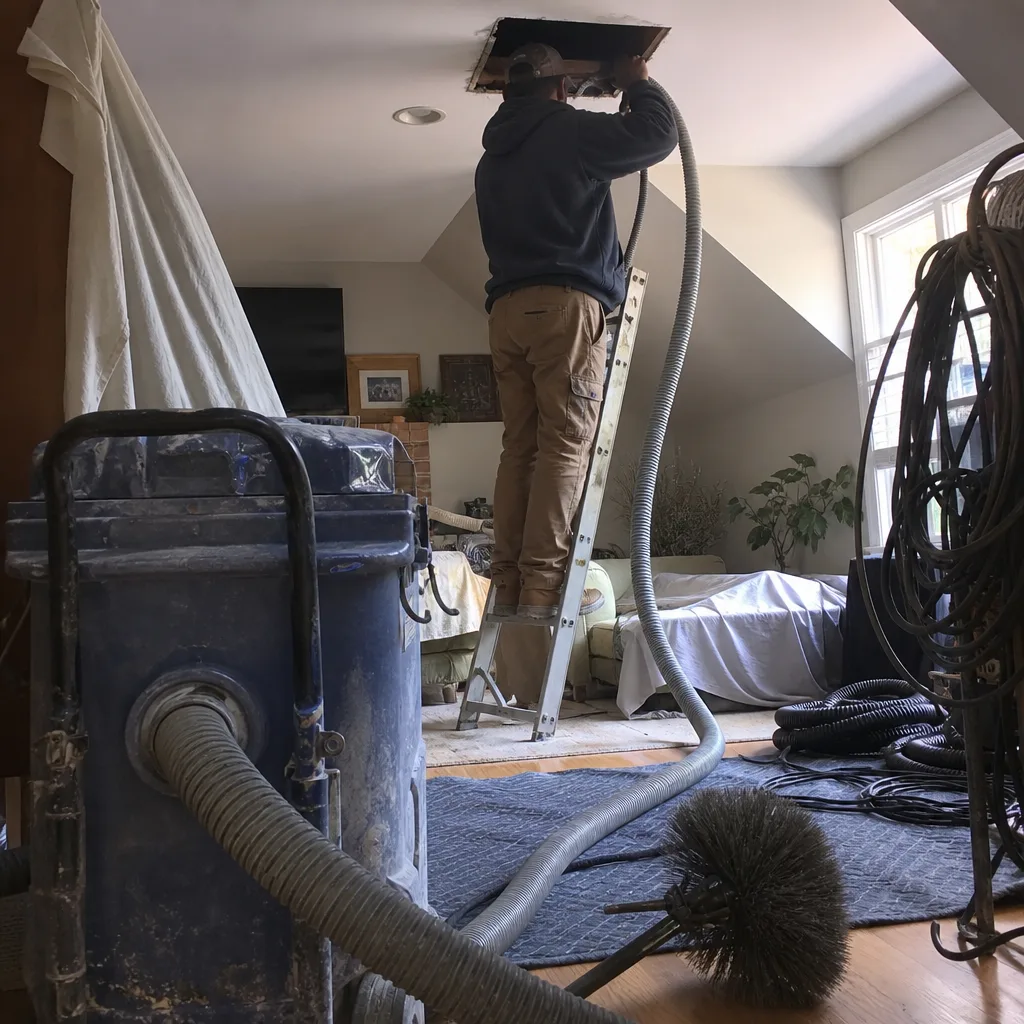 Before
 After
Frequently Asked Questions
Most Boulder homes need an inspection once a year and cleaning roughly every three to five years, depending on conditions. Homes near recent smoke events, homes with pets, and homes with a history of poor airflow may need it more often. Seasonal inspections, especially in fall and after a smoke event, are usually more useful than a fixed schedule. If you’re not sure when your Boulder ducts were last cleaned, book an inspection and get a baseline. Call (833) 554-4046 for an exact quote. Estimates are free.
Not always, but you should inspect. If you can still smell smoke when the system runs, see dark residue at return grilles, or notice a sudden increase in allergy symptoms that doesn’t fade after the smoke clears, professional cleaning is worth it. For Boulder homes that ran the system continuously during a smoke event with a rated filter, the cleaning may be less urgent, but the inspection is still worthwhile. Call (833) 554-4046 to talk through what you’re seeing – a free estimate will tell you whether cleaning is actually needed.
Very dry high-altitude winter air creates static charge on duct surfaces, which causes fine dust to stick to the inside of ducts and then release when the blower kicks on. A room with consistent visible dust puffs at the register in winter is a good candidate for a duct inspection. Humidification (Aprilaire and Honeywell products are options we install) and duct sealing also reduce the problem. Call (833) 554-4046 for a free estimate.
Yes, if your filter is rated for fine particulate, and running it continuously with a rated filter is one of the more effective things a homeowner can do during a smoke event. If your filter is a basic 1-inch fiberglass unit, running the fan continuously is less beneficial because the filter is not tuned for fine particulate. Consider a filter upgrade before the next smoke season, and after a smoke event, inspect the ducts for residue. Call (833) 554-4046 for a free estimate on cleaning or filter upgrades.
Duct cleaning focuses on the duct runs, the registers, and the return plenum. HVAC cleaning covers the air handler itself: the blower wheel, the evaporator coil, and the drain pan. Both matter, and Boulder homes with any age on them usually need both at some point. We do both. Call (833) 554-4046 for a free estimate.
Fall is the highest-impact window in Boulder, because it aligns with the pre-heating inspection and catches smoke residue and summer dust before the heating season starts. Spring is a reasonable second choice, especially if there’s crawlspace condensation to address. Winter and summer are the monitoring seasons. Call (833) 554-4046 for a free estimate and we’ll help you pick the right month.
The Bottom Line
Boulder’s climate does more to your ductwork than most homeowners realize. The wide daily temperature swings loosen joints, the spring thaw creates crawlspace condensation, wildfire smoke season leaves residue, and the dry winter produces static-adhered dust. A once-a-year cleaning on an arbitrary date doesn’t match that reality. A seasonal approach does: a pre-heating inspection in fall, a post-smoke inspection after any notable smoke event, a spring crawlspace moisture check, and winter management of dry air and static. Line up the cleaning, sealing, and air quality work in the right window and your system stays tighter, quieter, and cleaner for longer. That’s the whole point. When you’re ready to schedule the inspection, Boulder Air Duct Cleaning Pros is here to walk through it. Call (833) 554-4046. We answer 24/7. Fast dispatch from 7am to 7pm, Sunday through Friday. Estimates are free, and the price is set per job in a written estimate.
Written by the team at Boulder Air Duct Cleaning Pros.