
Last updated November 23, 2026
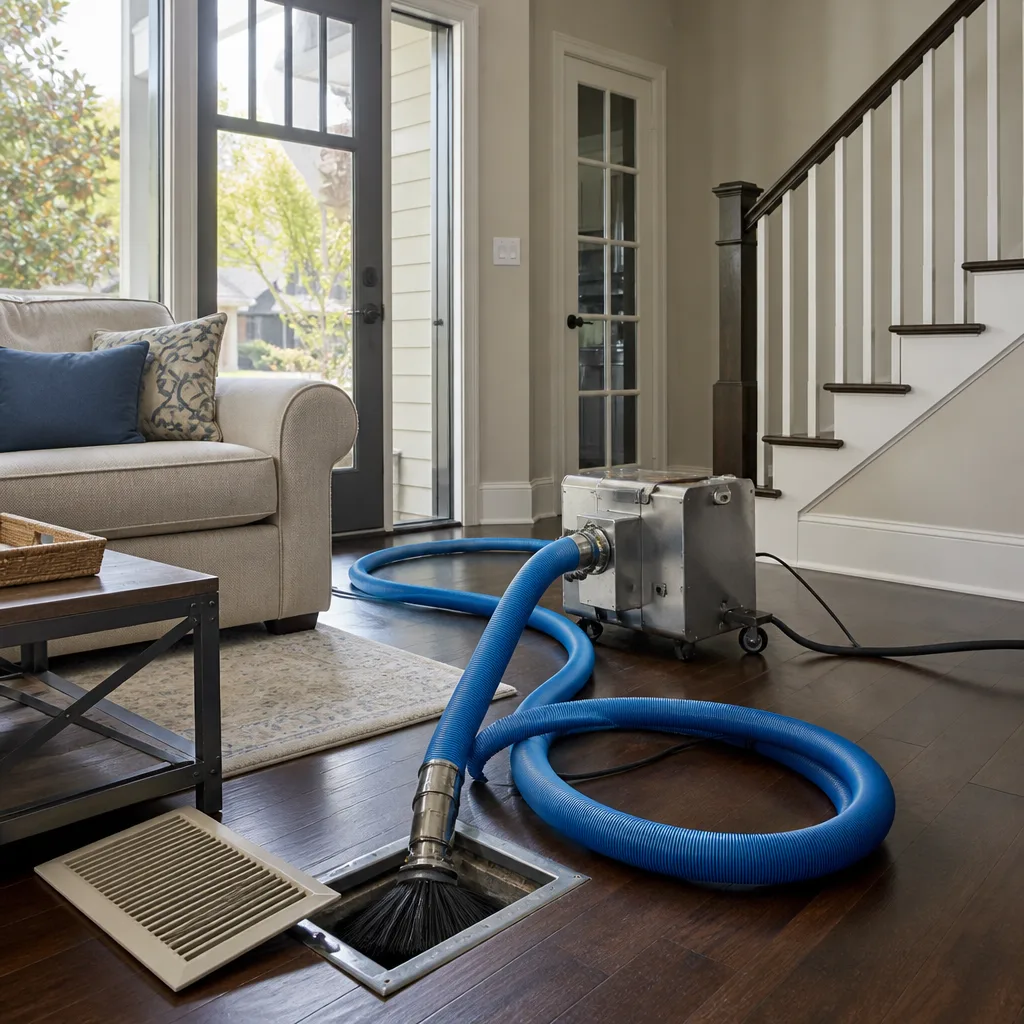 Whole-home duct cleaning
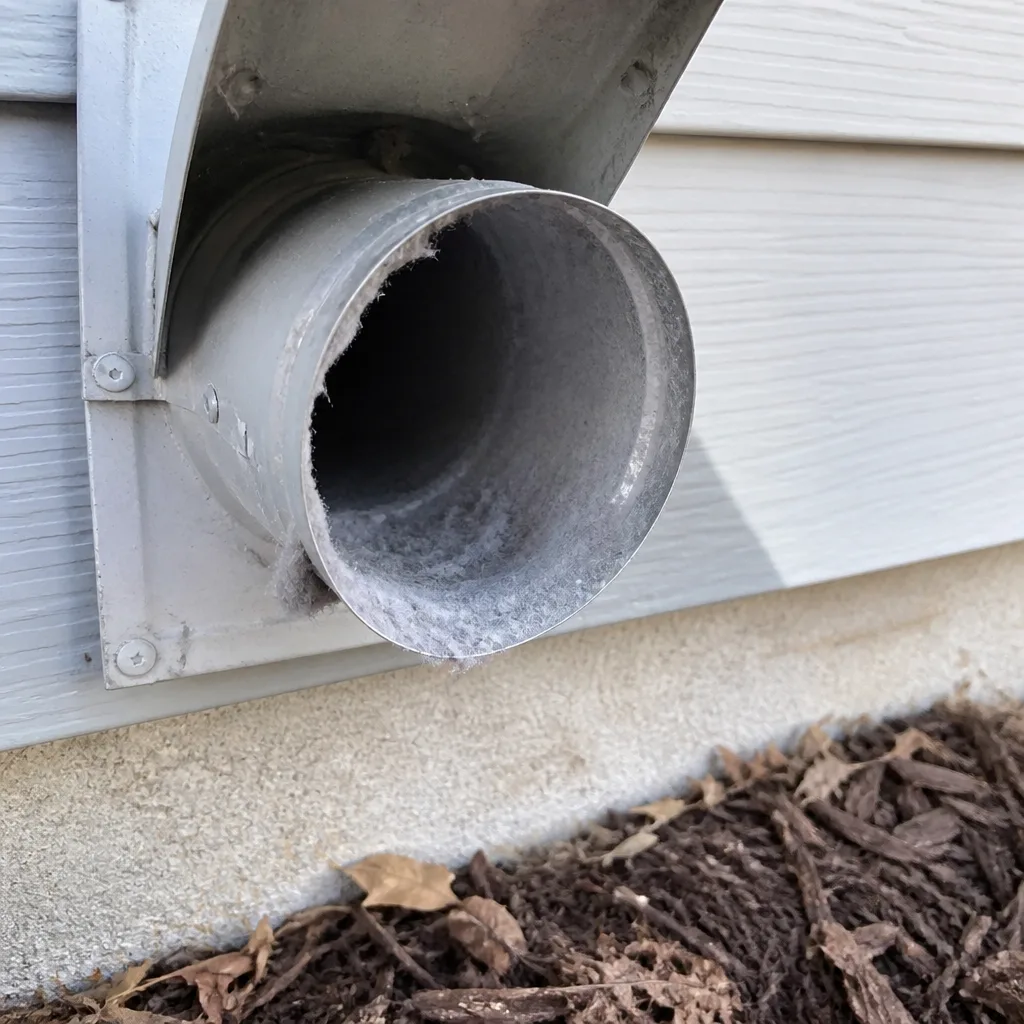 Dryer vent cleaning
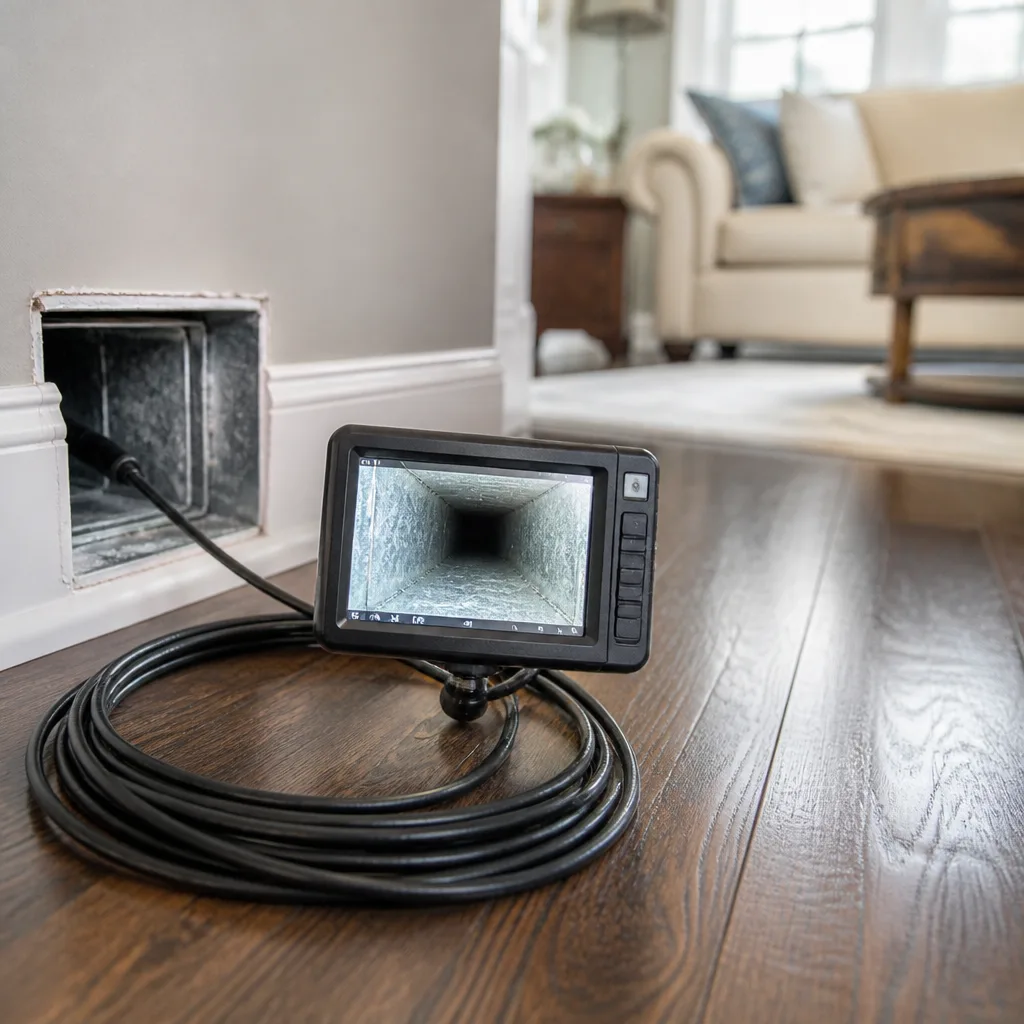 Camera inspection
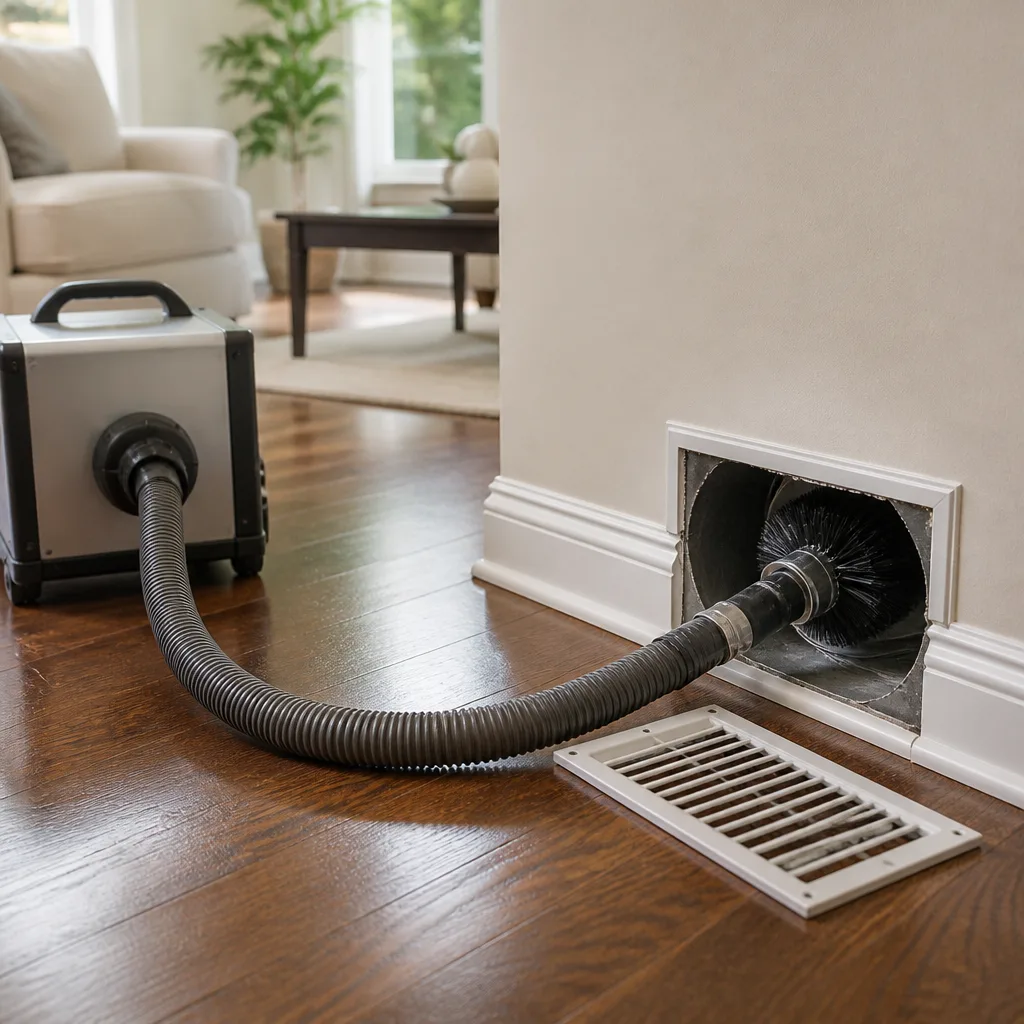 Sanitizing & deodorizing
Whole-system duct and dryer vent check with before-and-after photos - you see exactly what came out of your vents
That "$99 whole-house special" is a bait ad - the real number appears once they are in your hallway, or the "clean" is a shop-vac at the register. We photograph the inside of your ducts before and after instead.
Air Duct Cleaning Emergency Preparedness Guide for Boulder Homes
Most Boulder homeowners think of duct cleaning as a maintenance item, something you get to eventually. After a wildfire, that thinking works against you. During the Marshall Fire in December 2021, thousands of Boulder County homes that never caught fire still ended up with duct systems full of smoke, ash, and combustion byproducts. Many of those systems kept running through the event, pulling contaminated outdoor air through the whole house. This guide is about the other kind of duct cleaning: the emergency response. You’ll learn what counts as a duct emergency in Boulder, what to do in the first 24 hours, how to tell whether smoke reached the duct interior, and how to get your system ready before the next Red Flag Warning.
Quick Answer
After a wildfire, high-wind smoke event, or nearby structure fire, shut your HVAC system off, seal the return registers, and don’t restart it until the duct interior has been assessed. Post-wildfire duct cleaning in Boulder requires HEPA-rated vacuum equipment and EPA-registered sanitizing, not a standard surface cleaning. If you can smell smoke at the registers days later, contamination has likely moved past the filter.
Styles & brands we work with
- Whole-home duct cleaning
- Dryer vent cleaning
- Camera inspection
- Sanitizing & deodorizing
Table of Contents
- What Counts as a Duct Emergency in Boulder?
- The First 24 Hours After a Wildfire Event
- How to Tell If Smoke Reached the Duct Interior
- Why Post-Wildfire Cleaning Is Different
- What Boulder Homeowners Insurance Covers
- Building a Duct Protection Preparedness Kit
- High-Wind and Dust Events: The Silent Contamination
- Restoring System Safety After the Event
What Counts as a Duct Emergency in Boulder?
A duct emergency is any event that pushes smoke, ash, soot, chemical residue, or large volumes of particulate into your air distribution system faster than normal filtration can handle. In Boulder, that list is longer than in most cities. The wildland-urban interface wraps around the city, the Flatirons sit close, and the spring wind events that funnel down from the foothills can carry dust and debris across the entire metro in an afternoon.
Here’s what we treat as a genuine emergency:
- A wildfire within roughly 10 miles of your home. At that range, smoke and ash deposition inside the structure is common even without visible damage.
- Any structure fire in your building or an attached unit. Smoke travels through shared duct chases and neighboring systems.
- Visible ash or soot at the supply registers. This means particulate has already moved through the system.
- Persistent smoke smell indoors days after an event. A smell that lingers points to contamination the filter never caught.
- A dryer vent with a burning smell or visible lint accumulation at the termination. That’s a fire risk, not a maintenance item.
What doesn’t qualify: normal seasonal dust, a musty smell after a wet spring, or the gravel-dust haze that settles over Boulder after a dry stretch. Those are cleaning issues, not emergencies. The distinction matters because it changes what we do, what equipment we bring, and how fast the system can safely come back online.
The First 24 Hours After a Wildfire Event
The first day after a smoke event decides how much contamination settles into your ductwork. What you do in that window matters more than anything a technician can do later. Here’s the protocol we recommend for Boulder homes during and after a wildfire event within 10 miles:
- Shut the HVAC system down. Turn the thermostat to off, not just fan-auto. A running system pulls smoke through the return, filters some of it, and redistributes the rest into every room.
- Seal the return registers. Plastic sheeting and painter’s tape work fine. The goal is to stop the return from drawing in smoke that’s still in the room air.
- Close fresh-air intakes if your home has them. Many newer Boulder homes have an outside air intake tied to the HVAC system. Shut that damper.
- Keep windows and exterior doors closed. Smoke infiltration through gaps is real, but open windows make it dramatically worse.
- Change the filter but don’t run the system to test it. Pull the filter, look at it, replace it. Running the system with a heavily loaded filter just recirculates whatever’s already in the ducts.
- Photograph everything. Filter, registers, any visible ash, and the thermostat setting. Do it before anything gets cleaned or moved.
- Call for an assessment before restarting the system. A proper inspection of the duct interior determines whether you’re dealing with a filter replacement or a full post-wildfire cleaning.
If the fire was in your neighborhood but not your structure, don’t skip the assessment. The 2021 Marshall Fire taught Boulder County that a house can look untouched and still have smoke-laden ductwork. Call (833) 554-4046. We answer 24/7. Fast dispatch from 7am to 7pm, Sunday through Friday.
How to Tell If Smoke Reached the Duct Interior
You don’t need equipment to make a reasonable initial judgment. Three simple tests tell you a lot about whether smoke infiltration got past the filter and into the duct system.
The smell test
Walk through each room and smell the supply registers directly. A light smoke smell that fades over a couple of days is usually surface contamination in the room. A smell that’s noticeably stronger at the register than it is in the room itself points to contamination inside the duct. If you can smell it every time the system runs, that’s the clearest signal.
The filter inspection
Pull the filter and look at the side facing the return. A normal dirty filter is gray and fuzzy. A filter that caught wildfire smoke usually shows dark staining, a fine black or brown film, or uneven soot loading on one side. If the filter is heavily loaded but the supply side of the air handler shows staining, some smoke got past it.
The register wipe test
Take a clean white cloth, dampen it lightly, and wipe the inside surface of a supply register. Repeat on a second register on a different branch of the system. Any gray or black residue on the cloth means particulate is sitting in the duct. A clean cloth on a system you know ran through a nearby wildfire event doesn’t mean the ducts are clean; it means the ash hasn’t settled or it’s trapped further upstream.
None of these tests replaces an inspection with HEPA-rated equipment and a camera. They’re triage. If all three point toward contamination, schedule a professional assessment before restarting the system.
Why Post-Wildfire Cleaning Is Different From Routine Cleaning
Routine duct cleaning removes settled household dust. Post-wildfire cleaning removes fine particulate, combustion byproducts, and volatile organic compounds that routine equipment doesn’t touch. We treat them as separate jobs because they are separate jobs.
- HEPA-rated vacuum equipment. Wildfire ash is extremely fine; pushing it back into the air is worse than leaving it in place. We use Rotobrush and Nikro duct cleaning systems with HEPA-level filtration, purpose-built for this work rather than repurposed wet/dry shop vacuums.
- Containment and negative air. During a post-fire cleaning, pulling a vacuum on the system without containment pulls dust and residue into the room. Abatement Technologies containment and negative-air equipment keeps the surrounding living space isolated during the cleaning, the same standard used in remediation work.
- EPA-registered sanitizing. Ash and soot leave residue on duct surfaces. Sanitizing after cleaning addresses that residue and the VOC load that comes with smoke exposure. It’s not a substitute for cleaning; it happens after.
- Full-system attention. Smoke moves through the air handler, the coil, and the blower, not just the ducts. Post-wildfire work here is closer to HVAC cleaning than to a standard duct-only job.
- Surface protection. We work to Guardsman-grade surface protection standards on interiors, because a post-fire cleaning entails more equipment movement through the house than a routine visit.
That’s the difference between a cleaning that fixes the problem and one that just changes the smell in the short term.
What Boulder Homeowners Insurance Covers After a Declared Disaster
Most Boulder area homeowners insurance policies cover duct cleaning as part of a declared disaster claim, but only when it’s documented before cleaning starts. The adjuster looks for evidence that the contamination occurred as part of the event, and evidence that the cleaning was necessary rather than maintenance. Once the ductwork has been cleaned, that evidence is gone.
Here’s what to gather before any cleaning work begins:
- Photos of the filter and registers before removal. Date-stamped on your phone is fine.
- A short written description of the event. The fire name, the date range, the approximate distance from your home, and anything you observed inside.
- Your current homeowner policy declarations page. The adjuster will reference it, so have it ready.
- Air quality monitoring data for your address. Boulder County publishes air quality readings; a screenshot or download from the relevant dates is useful.
- A written scope of work from the cleaning provider. This is where the estimate matters: an itemized scope showing cleaning, sanitizing, and ventilation components gives the insurer a clear basis for approval.
We work with your insurer; we can’t bill them directly. In practice, that means the estimate and documentation go to the adjuster, and the coverage decision runs through the claim. Call (833) 554-4046 for a free estimate. We answer 24/7. Fast dispatch from 7am to 7pm, Sunday through Friday.
Building a Duct Protection Preparedness Kit
Red Flag Warnings come with plenty of notice, and the worst smoke days in Boulder are usually forecast at least a day ahead. A small kit near the thermostat lets you protect the system in minutes instead of hours.
- Pre-cut MERV-13 filters. Have at least two in the correct size for your air handler. MERV-13 catches substantially more fine smoke particulate than standard MERV-8. Don’t overspec beyond what your system can move air through; a filter that’s too restrictive strains the blower.
- Register covers or plastic sheeting and painter’s tape. Enough for every return register in the house. Painter’s tape peels cleanly.
- A posted shutoff protocol near the thermostat. Laminated card with step-by-step instructions on how to shut the system down and seal returns. Nothing fancy; the point is that anyone in the household can do it fast.
- A printed list of emergency contacts. Insurance adjuster, HVAC contractor, electric company, and your preferred duct cleaning provider, all on one page. A phone with no battery in a smoke event is useless.
- N95 masks and a battery-powered air purifier. Useful for the hours immediately after a smoke event while you’re waiting for the system assessment.
- A small notebook. For documenting the event, the photos you took, and the calls you made. Insurance adjusters appreciate a timeline.
Assemble it once, keep it near the thermostat inside a labeled bag, and forget about it. If it’s easy to reach during a bad air day, you’ll actually use it.
High-Wind and Dust Events: The Silent Contamination
Wildfire gets the attention in Boulder. High wind does more routine damage. The wind events that funnel down the foothills carry dust, fine gravel, and organic particulate from the open space and burned areas west of the city, and that material has a way of finding its way into the return side of a home sealed against cold air.
What makes wind events trickier than fires is that they don’t announce contamination. A strong spring windstorm can push more particulate through the return than a house sees in a normal month, and the filter catches most of it without showing obvious soot. What winds up in the ducts is fine dust that builds up quietly over several events.
Signs it’s accumulating:
- Dust at the registers that comes back within days of wiping it down.
- An HVAC filter that loads noticeably faster than it used to.
- A faint dusty smell when the system kicks in for the first time each day.
- Allergy symptoms that track with windy days rather than a specific season.
If you live near the open space on the west side of Boulder or along the foothills west of Broadway, schedule a duct inspection every couple of years rather than waiting for a visible problem. We’ll tell you honestly whether the system needs cleaning or whether it’s still within normal range.
Restoring System Safety After the Event
Getting the system back to safe operation isn’t just a cleaning step. It’s a sequence, and the order matters.
- Inspection first. Camera inspection of the duct interior, the air handler, and the coil. Confirm the extent of contamination before any cleaning begins.
- Containment setup. Abatement Technologies negative-air equipment keeps dust and residue from migrating into the living space during the cleaning.
- Full-system cleaning. Ducts, returns, supplies, air handler, and coil. Our air duct cleaning work for post-wildfire cases covers the full system, not just the trunk lines.
- Duct repair and sealing. Wildfire events often reveal leaks in the duct system that were letting in outside air all along. Sealing those leaks stops the next smoke event from finding the same path in.
- Sanitizing. EPA-registered sanitizing on duct surfaces after cleaning removes residue and reduces the VOC load.
- Air quality upgrades. Honeywell and Aprilaire filtration components connect the cleaning work to long-term indoor air quality. That’s the difference between fixing today’s problem and sealing the next one out.
- Verification. Before the system comes back online, before-and-after photos of your own ducts confirm the work. Function tests on the air handler and a check on static pressure confirm the system is running within its design.
If your dryer vent also ran during the event, add dryer vent cleaning to the list. Ash and lint in a dryer vent is a fire risk that has nothing to do with wildfires, and a post-event visit is a practical time to handle both.
Common Mistakes to Avoid
- Running the HVAC system “just to see if it’s better.” Running the system after a smoke event pulls whatever contamination is in the ducts back through every room. Shut it off first, then assess.
- Cleaning before documenting for insurance. Once the ducts are cleaned, the evidence the adjuster needs is gone. Photograph everything first.
- Replacing the filter and assuming the problem is solved. A new filter catches particulate going forward. It does nothing about what’s already settled in the ducts or on the air handler.
- Hiring the cheapest quote for post-wildfire work. A standard cleaning without HEPA-rated vacuum and containment equipment stirs up fine particulate and redistributes it. Ask what equipment they use and whether they contain the work area.
- Skipping the assessment because the house looks fine. After the Marshall Fire, plenty of Boulder County homes with no visible damage still had smoke-contaminated ductwork. Looks don’t tell you what’s inside the duct.
- Ignoring the dryer vent during a duct visit. A fire event is a reminder that every exhaust path in a house matters. If the dryer vent hasn’t been cleaned, do it during the same visit.
- Forgetting to seal the returns during the next wind event. The first event usually teaches the lesson. The second one is the test. Post the shutoff protocol so it’s automatic.
If you’re not sure whether your system needs a full cleaning or just a filter upgrade, call for an assessment. It’s a better use of an hour than guessing.
See the difference
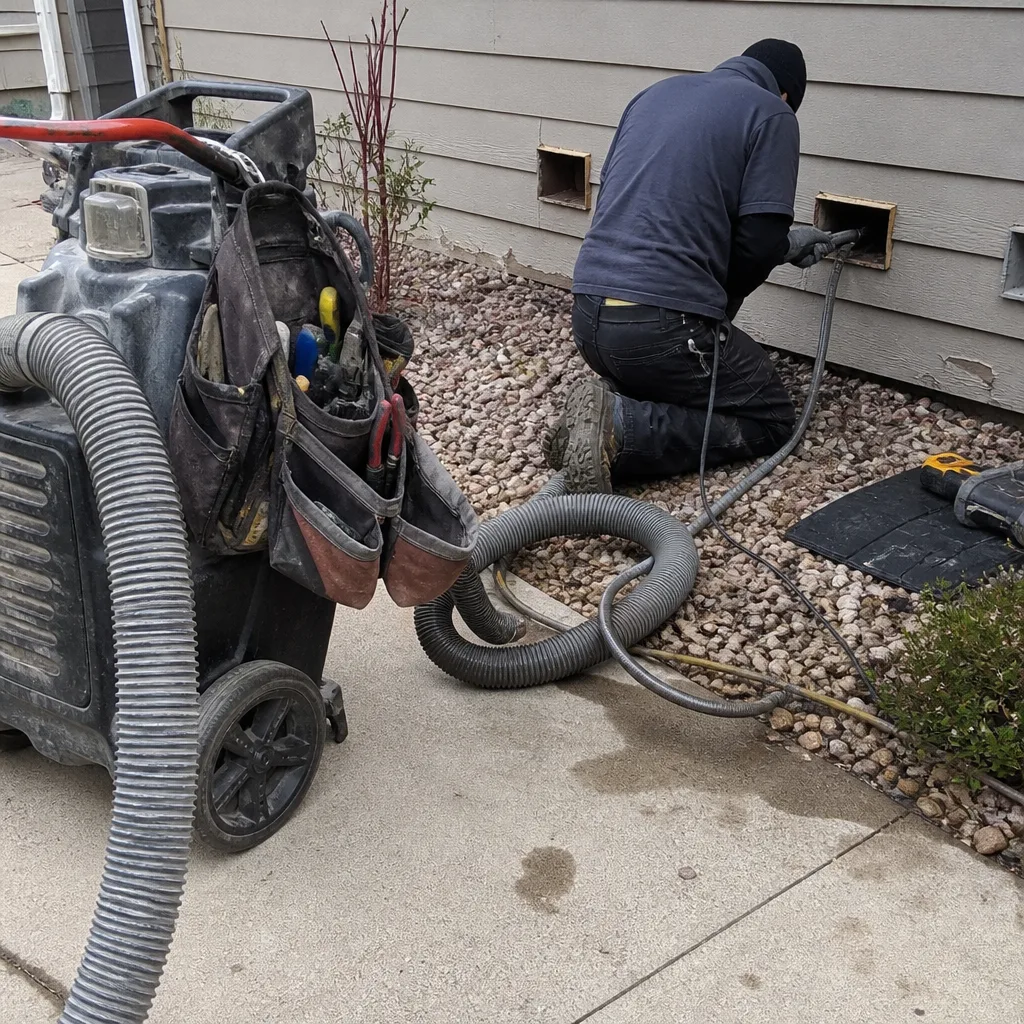 Before
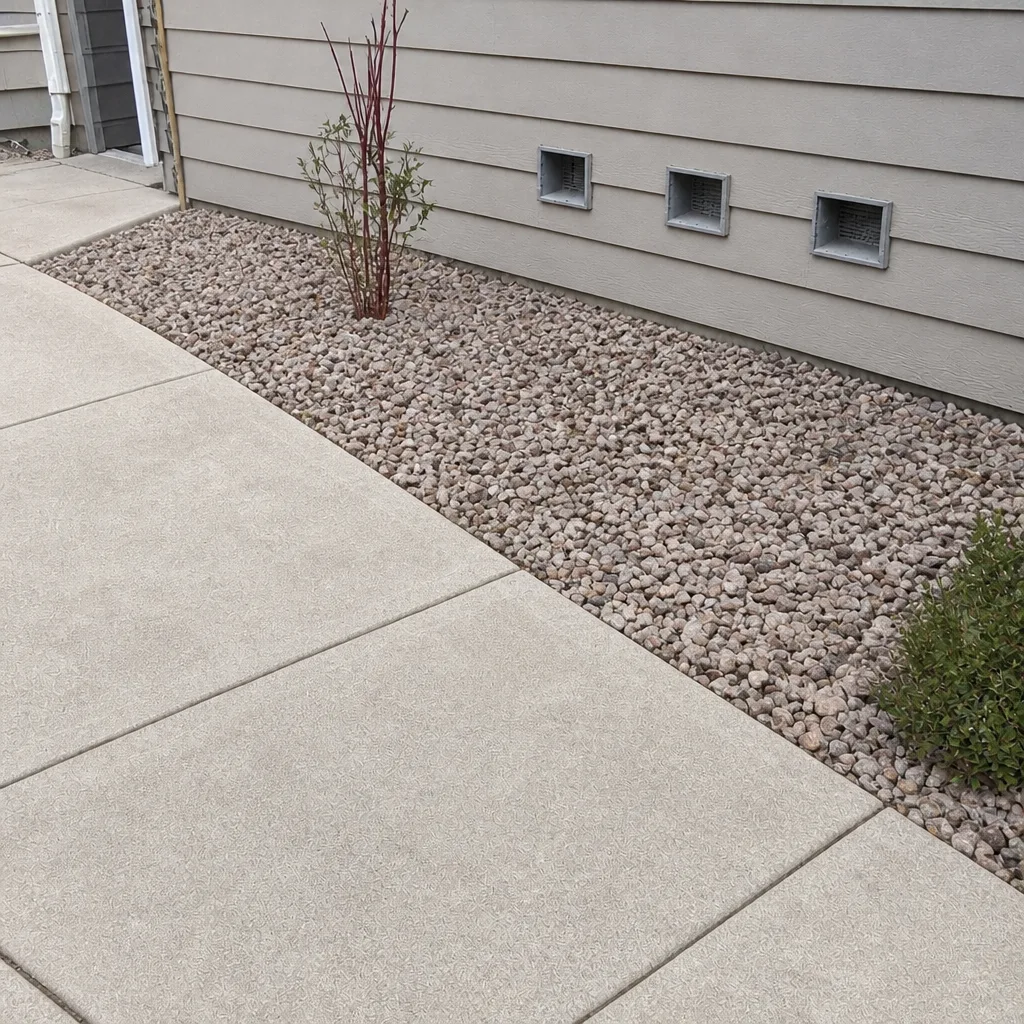 After
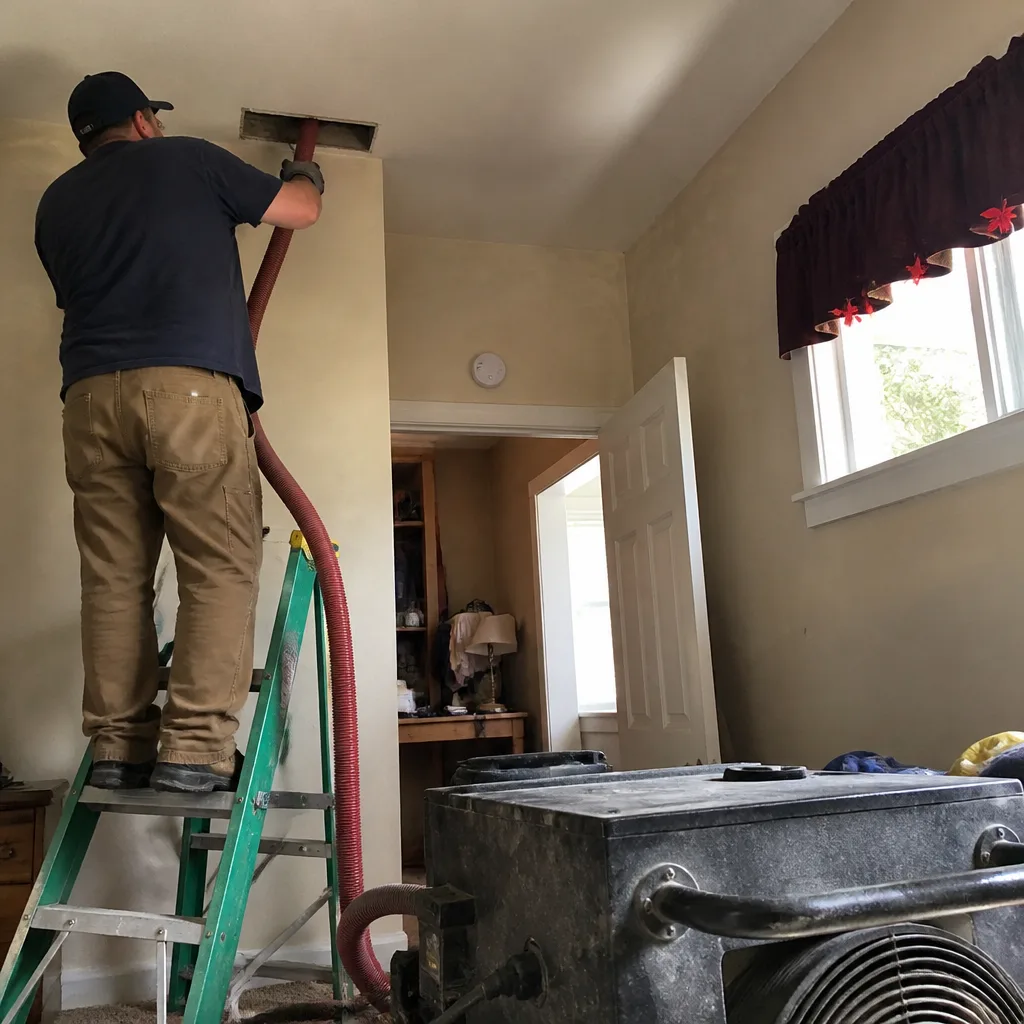 Before
 After
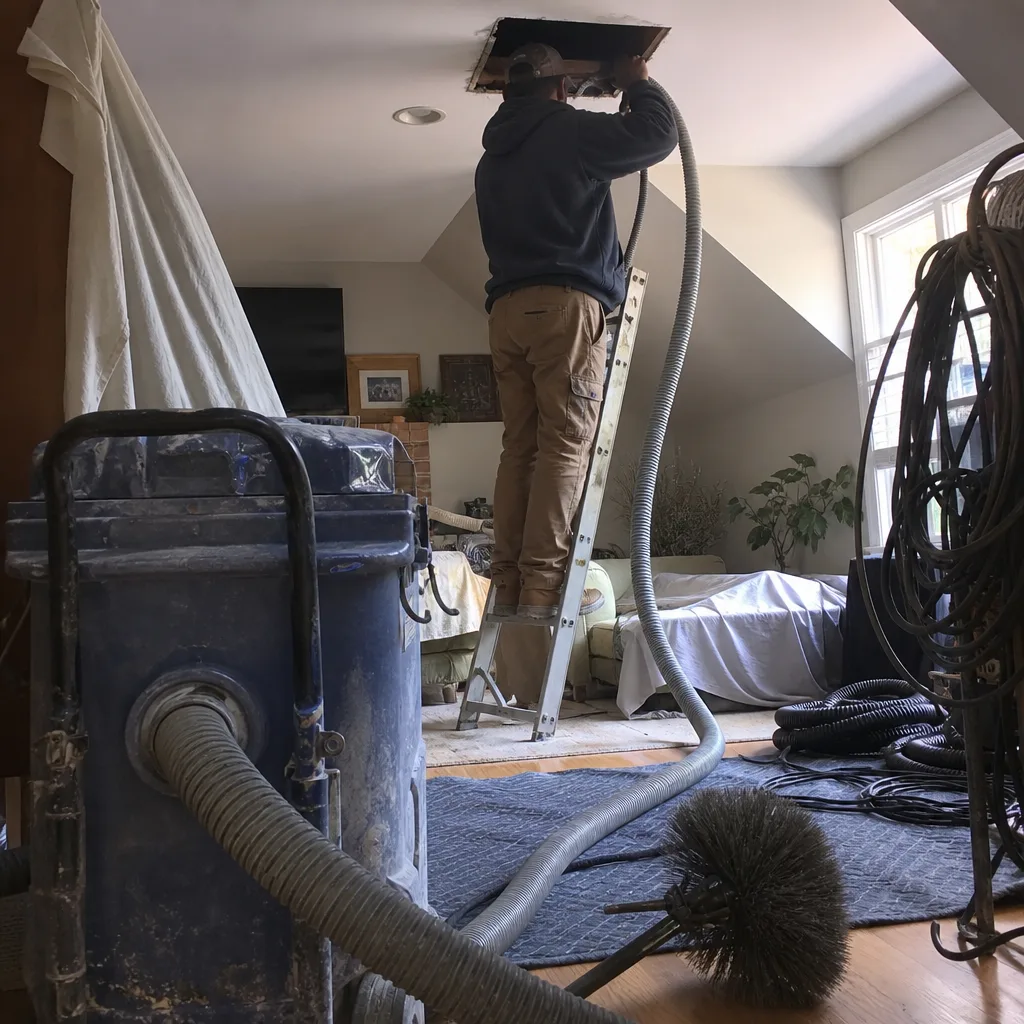 Before
 After
When to Call a Professional
Call us when you’re not sure. A wildfire within 10 miles, visible ash in the supply registers, a persistent smoke smell after an event, or a filter that’s dark and heavily loaded all justify a professional assessment. Call when your dryer vent has accumulated more than a season’s worth of lint, when you can see dust coming from a register, or when you’re preparing an insurance claim and need a written scope. Call when a duct leak or a disconnected run is suspected, because that’s a repair job and not something to chase with tape. The local pro we connect you with is licensed and insured as their state requires, and our technicians have up to 13 years of experience. Boulder Air Duct Cleaning Pros offers free estimates in Boulder. Call (833) 554-4046. We answer 24/7. Fast dispatch from 7am to 7pm, Sunday through Friday.
Frequently Asked Questions
Yes, if the fire was within roughly 10 miles of your home. Smoke and fine ash travel well beyond the fire perimeter and enter through returns and any gaps in the building envelope. A house with no structural damage can still have contamination inside the duct system. Get an assessment before restarting the HVAC.
As soon as the assessment can be scheduled, and no later than the first week that the air outside has cleared. Fine particulate settles rather than drifting out, and every day the system sits idle is another day for ash to settle deeper into the duct. Call (833) 554-4046 for an exact quote. Estimates are free.
It depends on the size of the system, the number of branches, and whether sanitizing and repair work are needed. We give one flat price per system, agreed before work starts, and never price by the vent. A written estimate follows the inspection, and that estimate sets the final price. Call (833) 554-4046 for an exact quote. Estimates are free.
Cheap quotes typically skip containment, skip HEPA-rated vacuum equipment, and skip sanitizing. That means the cleaning redistributes fine ash back into the room rather than removing it. The proper sequence is containment, full-system cleaning with HEPA equipment, repair and sealing, then sanitizing. Ask any provider what equipment they bring before booking.
Ask for before-and-after photos of your own ducts, not stock images. A provider using a Rotobrush or Nikro system with camera inspection can show you the interior at every stage. We provide photos as standard practice because the visual record is the only honest confirmation. Call (833) 554-4046 for an exact quote. Estimates are free.
Often yes, when the work follows a declared disaster and is documented before cleaning starts. Policies vary, so the coverage decision is between you and your adjuster. We can work with your insurer and we provide the itemized scope and photos the adjuster needs. Gather filter and register photos, a short written event description, and your policy declarations page before booking.
For most homes, every three to five years is reasonable. Add an inspection after any wildfire or high-wind event within 10 miles, and sooner if anyone in the home has asthma or significant allergies. Homes near the open space west of Boulder often accumulate dust faster. There’s no universal schedule; an inspection will tell you where the system actually stands.
The Bottom Line
Boulder’s wildfire risk and wind patterns make duct system emergencies real events, not abstract worries. The recovery sequence is the same every time: shut the system down, seal the returns, document everything, then call for an assessment. Cleaning after a wildfire requires HEPA-rated vacuum equipment, containment, and EPA-registered sanitizing, plus repair and sealing to close the paths that let smoke in. Build the preparedness kit now, post the shutoff protocol, and know who to call. That preparation is the difference between a week of lingering smoke smell and a system that comes back online clean. If you’re ready to schedule an assessment, reach out to Boulder Air Duct Cleaning Pros for a free estimate.
Call (833) 554-4046. We answer 24/7. Fast dispatch from 7am to 7pm, Sunday through Friday.
Written by the team at Boulder Air Duct Cleaning Pros.