
Last updated November 23, 2026
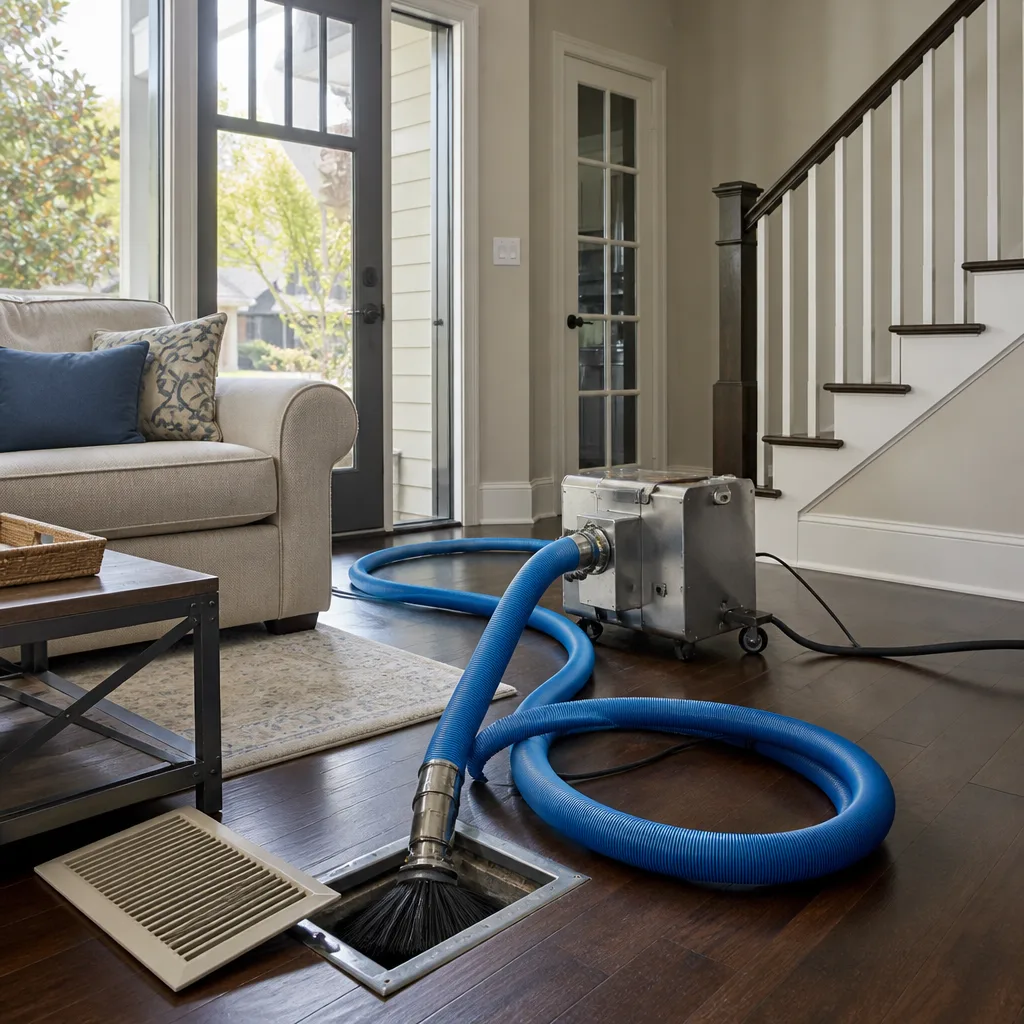 Whole-home duct cleaning
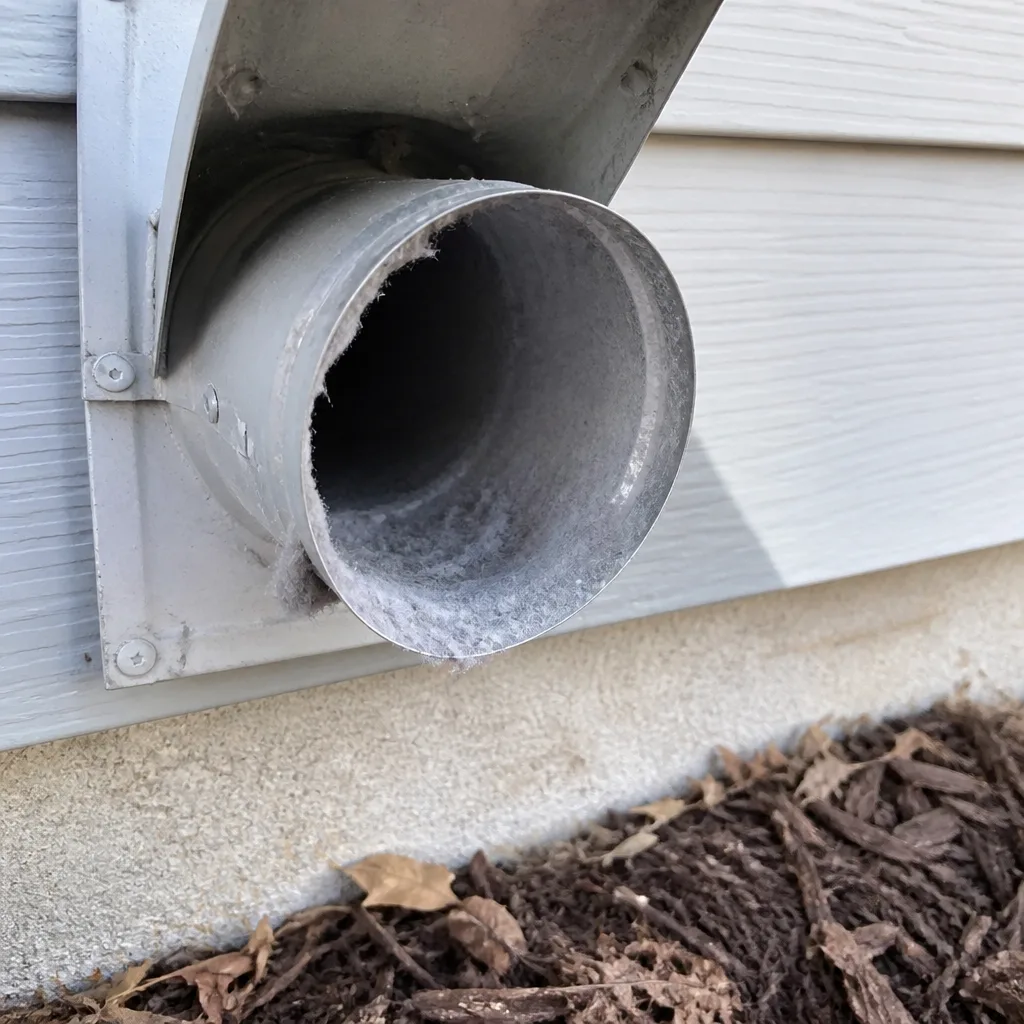 Dryer vent cleaning
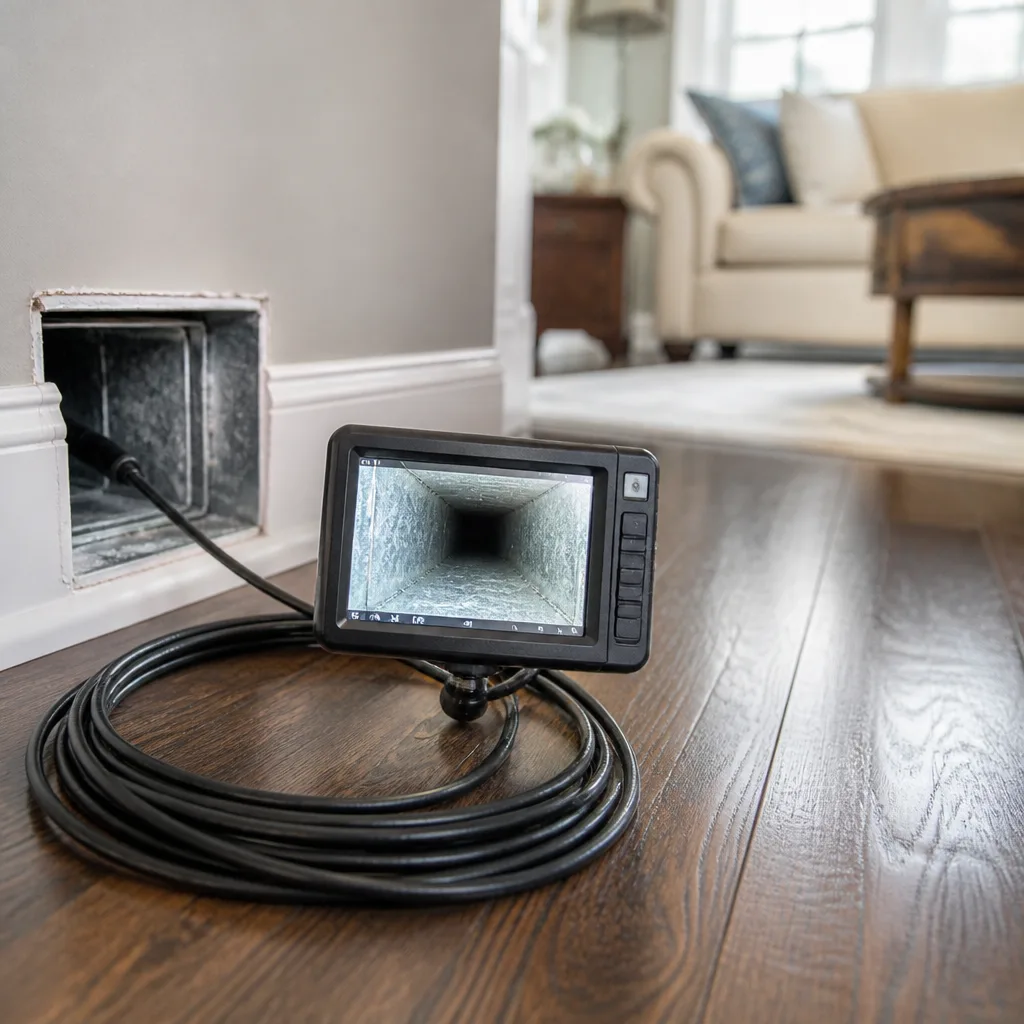 Camera inspection
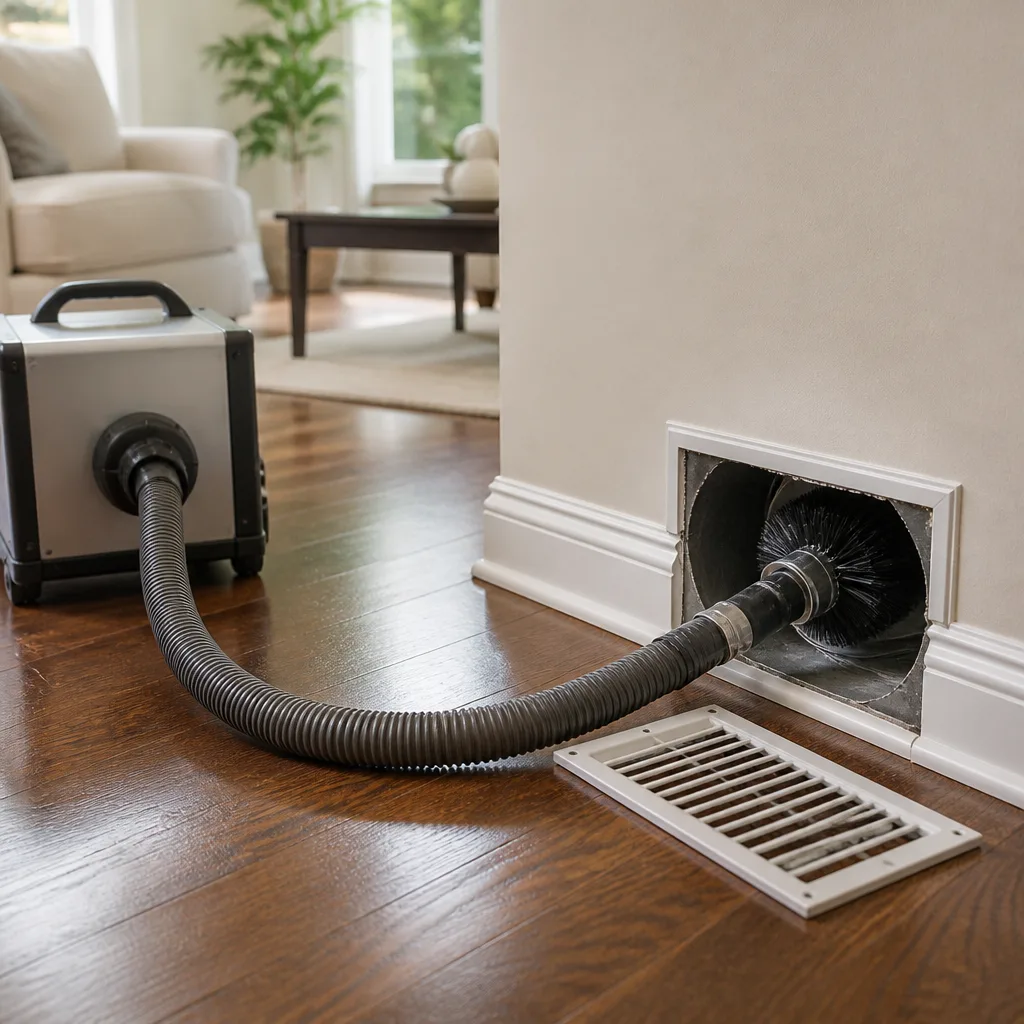 Sanitizing & deodorizing
Whole-system duct and dryer vent check with before-and-after photos - you see exactly what came out of your vents
That "$99 whole-house special" is a bait ad - the real number appears once they are in your hallway, or the "clean" is a shop-vac at the register. We photograph the inside of your ducts before and after instead.
Air Duct Cleaning Cost Breakdown: The Boulder Homeowner’s Reference for 2026
Most Boulder homeowners assume the cheapest duct cleaning quote is the best deal they’ll find. In practice, an unusually low number usually tells you something important about the equipment behind it. A professional duct cleaning on a typical Boulder home involves negative-pressure containment, HEPA filtration, and a full system of trunk lines, branches, and returns. Skip any of those steps and the price drops fast – along with the results. This guide breaks down what a fair 2026 price looks like in Boulder, which line items are legitimate, which are upsells, and how to read a written quote closely enough to know what equipment is actually showing up at your door.
Quick Answer
Air duct cleaning in Boulder typically runs $350 to $500 for a standard home with 8 to 12 registers and accessible ductwork, with larger or more complex systems reaching $600 to $900. The price is driven mainly by linear duct footage, number of return drops, access difficulty, and duct material. Add-on services like sanitizing and dryer vent cleaning add $75 to $250 to the total. Any quote under $200 or over $700 for a comparable home deserves a second look, usually for opposite reasons.
Styles & brands we work with
- Whole-home duct cleaning
- Dryer vent cleaning
- Camera inspection
- Sanitizing & deodorizing
Table of Contents
- What actually drives the cost of duct cleaning in Boulder?
- What does duct cleaning cost in Boulder in 2026?
- Which add-on services are worth paying for?
- Boulder-specific cost factors you should know
- What the equipment difference actually buys you
- How to read a quote and reverse-engineer the equipment
- Dryer vent cleaning: cost and why it’s not optional
- How often should Boulder ducts be cleaned?
What actually drives the cost of duct cleaning in Boulder?
Air duct cleaning cost in Boulder in 2026 hinges on six things: linear duct footage, the number of return air drops, access point difficulty, duct material, system age, and whether the home has a basement, crawlspace, or slab foundation. Two homes of the same square footage can carry very different price tags once those factors are added up.
Here’s how each factor typically changes the number:
- Linear duct footage – measured in running feet of trunk and branch line, not square footage of the home. Long ranch runs with distant bedrooms add footage quickly.
- Number of returns – each return air drop needs its own suction setup and connection to the negative-pressure system, so 3 returns cost more than 1.
- Access difficulty – a crawlspace with flex duct snaking around plumbing is slower to work in than a clean basement with open joist bays.
- Duct material – sheet metal, flex duct, and fiberboard all behave differently. Flex requires more care to avoid crushing the inner liner; fiberboard can’t take aggressive brushing.
- System age – older systems often have more debris load, and opening 30-year-old seams can demand extra containment work.
- Register count – 8 registers is a different job than 18, and pricing should reflect that count in the written estimate, not just a “per vent” convenience number.
We price the whole system, not the vents. A register count is a useful input to the estimate, but the number that matters is the one-time price for cleaning the entire system – not a teaser rate that climbs once the crew is on site. If you’ve been quoted a price per vent that seems too good to be true, that’s usually the first sign the actual work will be priced differently once the technician arrives.
What does duct cleaning cost in Boulder in 2026?
Here’s a structured range based on typical Boulder 2026 jobs:
| Home Type / Configuration | Typical Estimated Range | Notes |
|---|---|---|
| Smaller home, 6-8 registers, access easy | $300 – $400 | Basement or open joist access, single return |
| Standard ranch, 10-12 registers, accessible | $350 – $500 | Most common Boulder configuration |
| Larger home, 14-18 registers, 2-3 returns | $500 – $750 | Longer trunk runs and extra drop points |
| Crawlspace with flex duct or tight access | $550 – $850 | Extra time and containment setup |
| Older system with heavy debris load | $450 – $700 | More per-branch time and cleanup |
Two things to keep in mind about those numbers. First, they reflect an estimate, not a fixed price – the written estimate we provide sets the final price, and that written number is what you pay. Second, they assume a legitimate NADCA-standard cleaning using a negative-pressure system with HEPA filtration. Genuine NADCA (National Air Duct Cleaners Association) standards require more time and better equipment than a generalist outfit can bring, and that shows up in the price.
What shouldn’t happen: a quote that lands far below every other estimate on the same home, then balloons once the equipment is set up. If a technician arrives and starts adding line items to the original number, that’s not a legitimate price breakdown – it’s the version of the trade that has earned this industry its reputation. Ask for the price in writing before the work begins.
Which add-on services are worth paying for?
Add-ons have legitimate value when they solve a real IAQ or fire-safety problem, and marginal value when they’re sold for their own sake. Here’s how to sort them.
Worth considering
Sanitizing with EPA-registered products – typically $75 to $150. Useful when the system has had moisture intrusion, pest activity, or visible microbial growth. The product applied should be listed by name on the invoice; if a technician can’t tell you which EPA-registered product they’re using, that’s a red flag. In our own work we use Abatement Technologies containment and negative-air equipment to prevent stirring debris loose into the living space during the cleaning – the sanitizing step is a natural extension of a cleaning that was done right in the first place.
Dryer vent cleaning – typically $100 to $175 as a standalone, or $75 to $125 bundled with duct cleaning. This one isn’t optional in spirit. A clogged dryer vent is a fire risk, and the lint buildup is often invisible until it’s severe. If we’re already in the home, it’s an easy addition, and we can check the vent’s routing while we’re there.
Duct repair and sealing – variable, typically $200 to $600 depending on scope. This has documented efficiency value because leaking ducts lose conditioned air before it reaches the room. It’s the type of work most cleaning-only outfits can’t do.
Usually not worth it
Ozone treatments – these don’t clean the ducts and can be a hazard at high concentration, especially with occupants in the home. If you have persistent odor, cleaning and sanitizing usually addresses the source. Ozone is a step beyond what the problem calls for.
“Duct coating” – marketed as a sealant or freshener. In practice it seals debris in place rather than removing it, and fiberboard duct can’t be safely coated at all. Skip it unless a specific diagnosis justifies it.
Every add-on at once – if a quote lists six line items on a home that hasn’t complained of any IAQ symptoms, something’s off. Ask which ones address an actual observed condition.
Boulder-specific cost factors you should know
Boulder homes come in configurations that make duct cleaning pricing here genuinely different from other Front Range cities.
Older homes in the Mapleton Hill and Whittier neighborhoods often have original sheet-metal trunk lines with a mixture of retrofit flex branches added over time. That mixture means the technician has to switch techniques mid-job – sheet metal can take more aggressive brushing, flex cannot. The extra time is legitimate, and a quote for these homes should reflect it.
Crawlspace homes in parts of north Boulder and the neighborhoods closer to the foothills are slower to work than basement or slab-on-grade homes. A crawlspace with flex duct routed around plumbing has to be worked carefully to avoid crushing lines or tearing the inner liner. A contractor who quotes a crawlspace home at the same rate as a slab home is either cutting corners or has never done a crawlspace job.
Dry, windy Boulder air carries a lot of fine dust in through return air paths. Systems here tend to accumulate fine particulate faster than in moister climates, and that fine dust is often what loads up HEPA filters on the cleaning rig. It’s not a reason for more frequent cleanings, but it does affect how long each job takes.
Multi-zone systems and finished basements add return drops and branch runs. A Boulder home with a finished basement and two separate HVAC zones can have twice the return air points of a comparable single-zone home. That should show up as a higher estimate, not a surprise add-on at the end.
Where we see a lot of upside is when cleaning lines up with duct repair and sealing. Sealing isn’t just about clearing debris – it holds the pressure in the system so the next cleaning and the next season of operation both perform better. If you’re calling Boulder Air Duct Cleaning Pros for the first time, ask whether your system has any known leaks worth addressing in the same visit.
What the equipment difference actually buys you
The most under-appreciated reason quotes vary by 400% on the same home is the equipment. A portable shop-vac-style rig and a truck-mounted negative-pressure system do not produce the same result, and neither do they cost the contractor the same to run. That gap is the honest explanation for most price spread.
Here’s what the price difference actually buys:
- Negative pressure across the whole system. A proper setup pulls the duct system into negative pressure before any brushing begins, so debris moves toward the collection point instead of leaking into the living space.
- HEPA filtration. The exhaust air from the cleaning rig gets filtered at HEPA level, which is what keeps fine dust from redistributing through the home during the job.
- Containment. Professional containment and air scrubbing keeps opened seams and register boots from acting as debris exits. We use Abatement Technologies containment equipment because it’s the same standard applied in remediation work – a level of rigor most cleaning-only operations skip.
- Purpose-built brush and whip heads. Rotobrush and Nikro duct cleaning systems have tools calibrated to flex duct, sheet metal, and fiberboard. Improvised setups use whatever brush fits and end up either missing debris or damaging the liner.
- Time. A real cleaning takes 2-4 hours on a typical Boulder home. Anything under 90 minutes on a 10-register home is a sign the equipment was undersized or the work was skipped.
What a $150 quote typically reflects isn’t efficiency. It reflects a portable rig with a shop-vac-grade motor, no real containment, and a brushed surface pass that moves some dust but doesn’t extract the settled debris. The savings are real. So is the difference in outcome. We’d rather give you an honest whole-system range than a low number that doesn’t buy the same cleaning.
How to read a quote and reverse-engineer the equipment
A written quote tells you more than the price. Read it for these details and you can work backward to what equipment will actually arrive.
- Register count is stated, but not priced per vent. A legitimate quote names the register count as part of the scope and gives a single system price. Per-vent pricing is a classic teaser structure.
- Returns are listed separately. If returns aren’t in the scope, the price is low because the job is smaller than you think, not because it’s a deal.
- Equipment is named. Rotobrush, Nikro, or another professional-grade system should appear. If the quote is silent on equipment, ask.
- Containment and filtration are named. HEPA filtration and negative-pressure setup are the two items that separate a real cleaning from a surface pass.
- Time estimate is included. A 2-4 hour window on a standard home is a good sign. A 1-hour window on a 12-register home is not.
- Add-ons are itemized separately. The base price should be a cleaning, not a cleaning plus upsells pre-bundled to inflate the number.
- The final price is stated in writing. “Price subject to change after inspection” is the language that matters. The written estimate is the number you pay.
Two questions settle most of it before the crew shows up: “Which cleaning system will you use?” and “Will the return side be connected to the negative-pressure setup?” The answers tell you whether the quote is real.
Dryer vent cleaning: cost and why it’s not optional
Dryer vent cleaning in Boulder typically runs $100 to $175, and it’s not a cosmetic service. Lint accumulation inside the vent line is a documented fire hazard, and the buildup is invisible until the airflow drops noticeably or a load of laundry comes out damp. A vent line with a long run, multiple elbows, or a screen at the exterior termination accumulates faster than a short straight run.
What a proper dryer vent cleaning involves:
- Disconnecting the dryer from the wall vent if accessible
- Running a rotary brush or air whip through the full length of the vent line
- Clearing the exterior termination and checking the damper
- Removing lint from the dryer’s internal blower housing when accessible
- Verifying airflow after cleaning
Bundled with dryer vent cleaning, an air duct service call gets more done in one visit and often costs less than booking them separately. If your dryer has been taking longer to dry, or the exterior vent flap doesn’t open fully when the dryer runs, it’s worth checking now rather than waiting for a bigger problem.
How often should Boulder ducts be cleaned?
Every 3-5 years for most homes, sooner if there’s been renovation, moisture intrusion, pest activity, or a new occupant with allergies. Boulder’s dry, dusty air and windy spring season is a reason to check more often, not a reason to assume the system is clean after every windy week.
Signs the system is due for attention:
- Visible dust or debris at the register grilles when the system runs
- A noticeable musty or dusty smell after the system cycles on
- Increased allergy symptoms that follow the HVAC schedule
- Recent renovation work in the home
- A new occupant moving in who has asthma or allergies
- Uneven heating or cooling between rooms – a sign of duct loss, not necessarily debris
If any of these apply and cleaning hasn’t happened in several years, a professional inspection is worth it before signing up for anything. The inspection also surfaces whether you need duct repair and sealing alongside the cleaning – a common combination we handle in a single visit.
Common Mistakes to Avoid
- Choosing the lowest quote without asking about equipment. A $150 cleaning and a $450 cleaning are not the same job performed at different margins. Ask which Rotobrush or Nikro system the contractor uses, and if they can’t name one, the low price reflects a portable rig.
- Accepting per-vent pricing. Per-vent pricing is the structure that lets a quote start low and finish high. Ask for a single whole-system price in writing before the visit.
- Skipping the return side. Cleaning only the supply branches leaves half the system loaded. Ask explicitly whether returns are included in the scope.
- Booking a “duct cleaning” that’s actually a vacuum pass. A 45-minute job on a 12-register Boulder home isn’t a cleaning. A real job takes 2-4 hours with containment setup and branch-by-branch work.
- Paying for ozone or duct coating without a specific diagnosis. Neither is a substitute for cleaning, and duct coating on fiberboard is a real risk of trapping debris you wanted out.
- Ignoring the dryer vent because “it’s not the ducts.” The dryer vent is the highest fire-risk item in a Boulder home’s duct ecosystem. Lint builds up silently and the cost of ignoring it isn’t $125.
- Not asking about duct repair and sealing. Cleaning without addressing leaks often means the system loads up again faster. If your home is older, ask whether sealing is worth bundling in the same visit.
See the difference
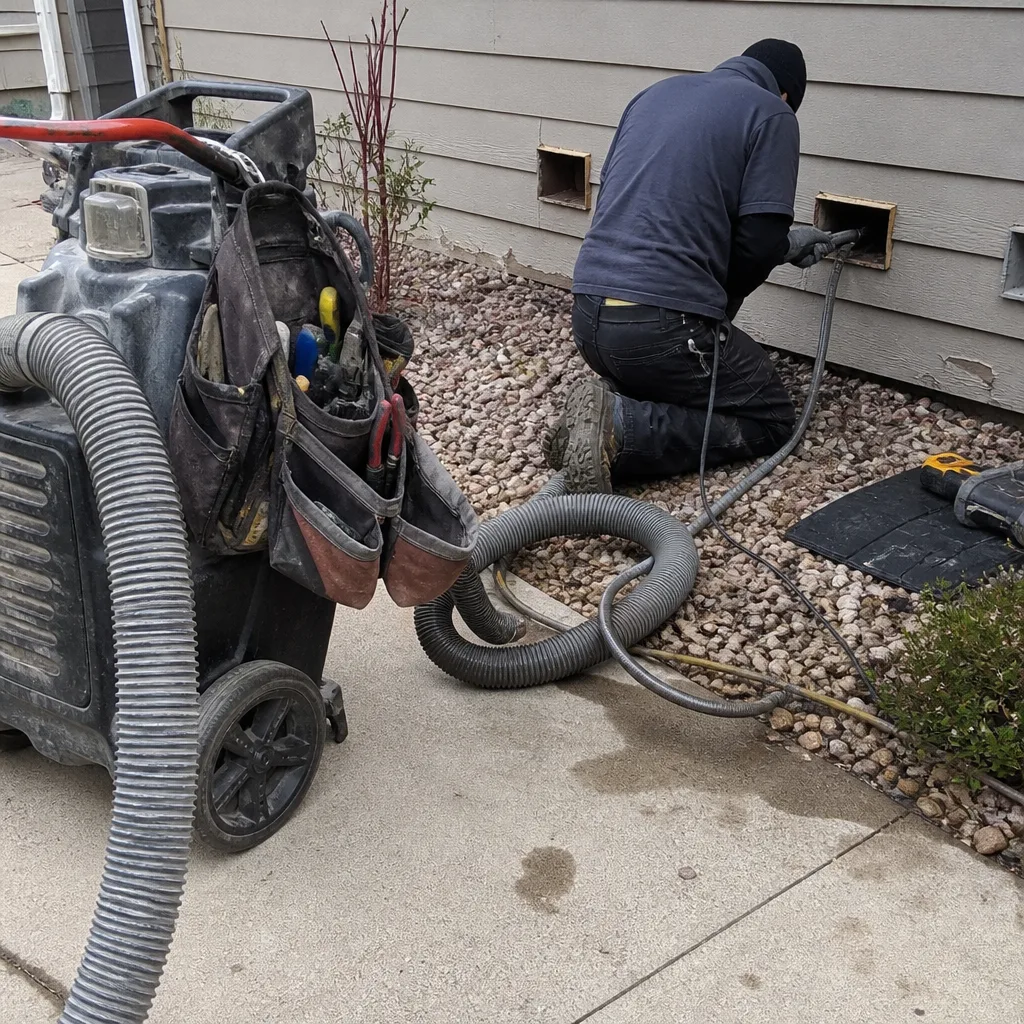 Before
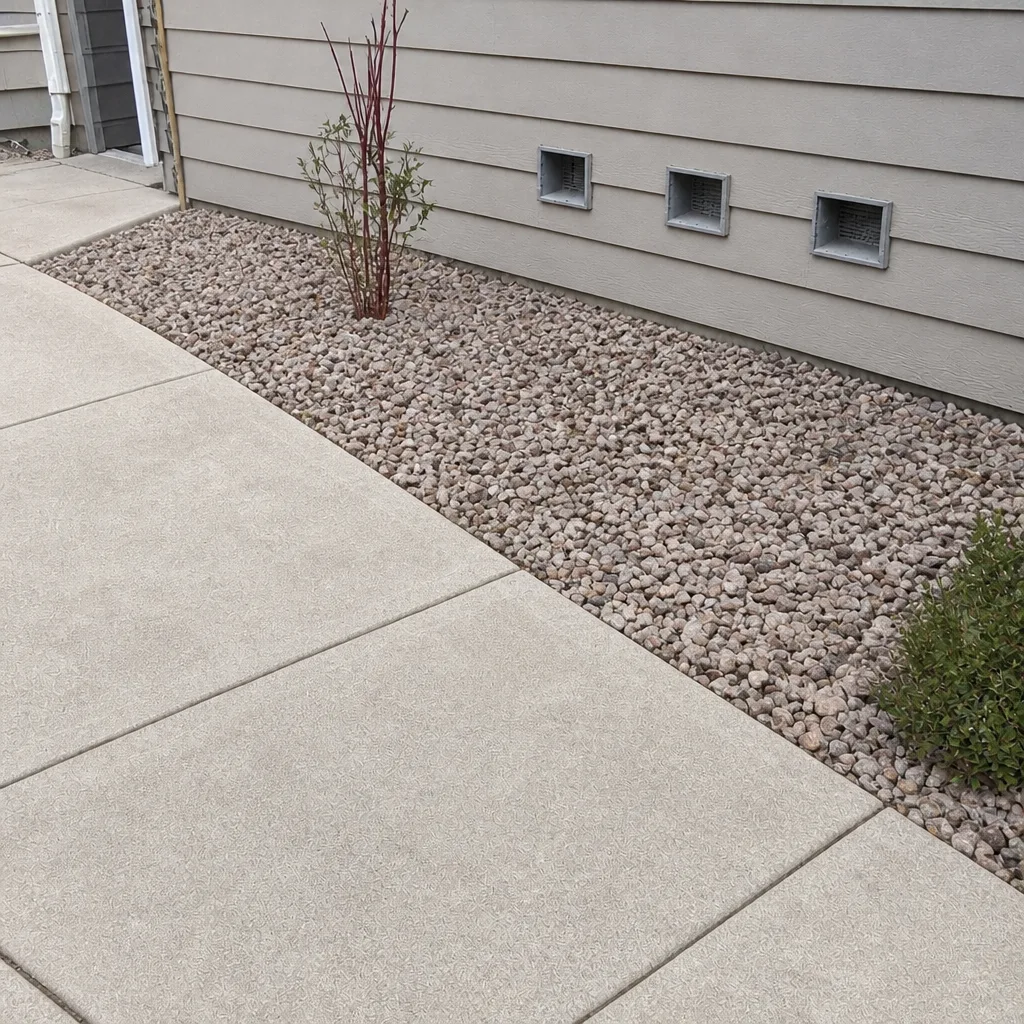 After
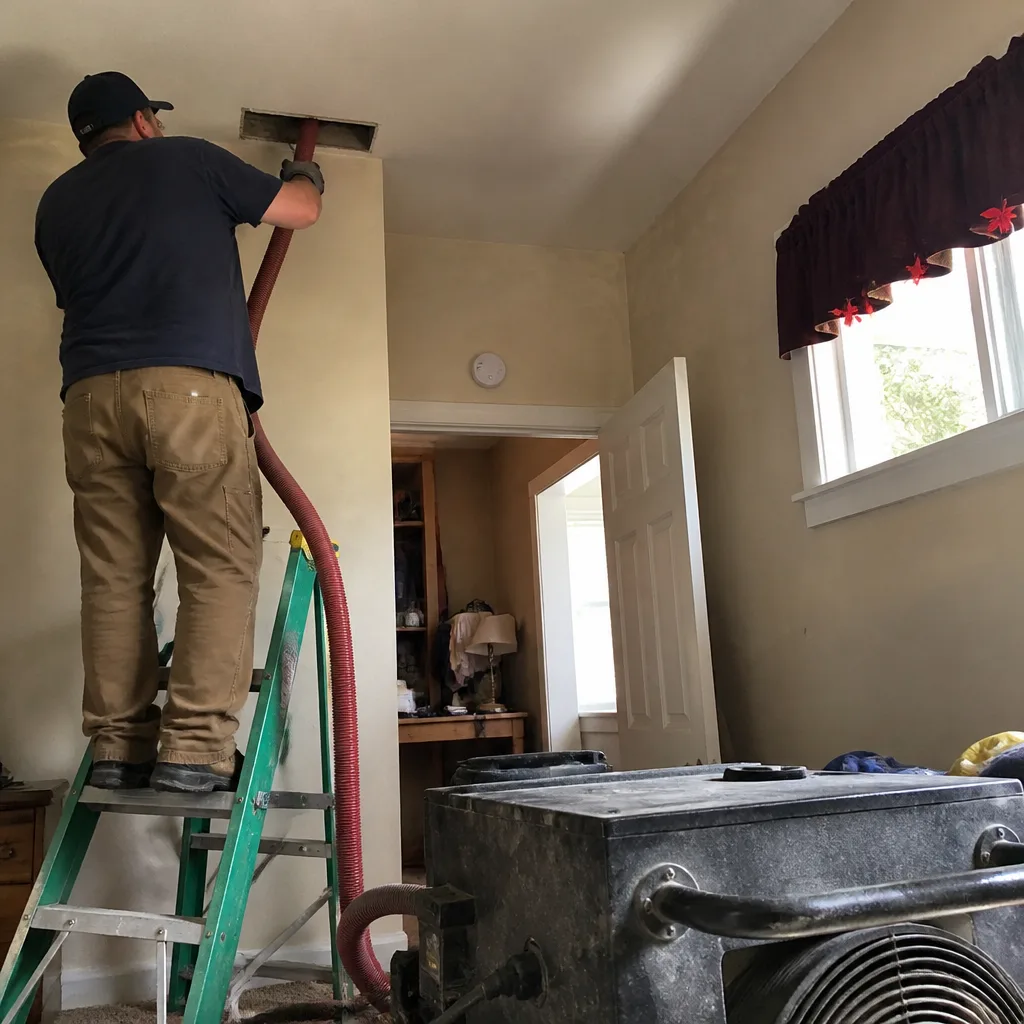 Before
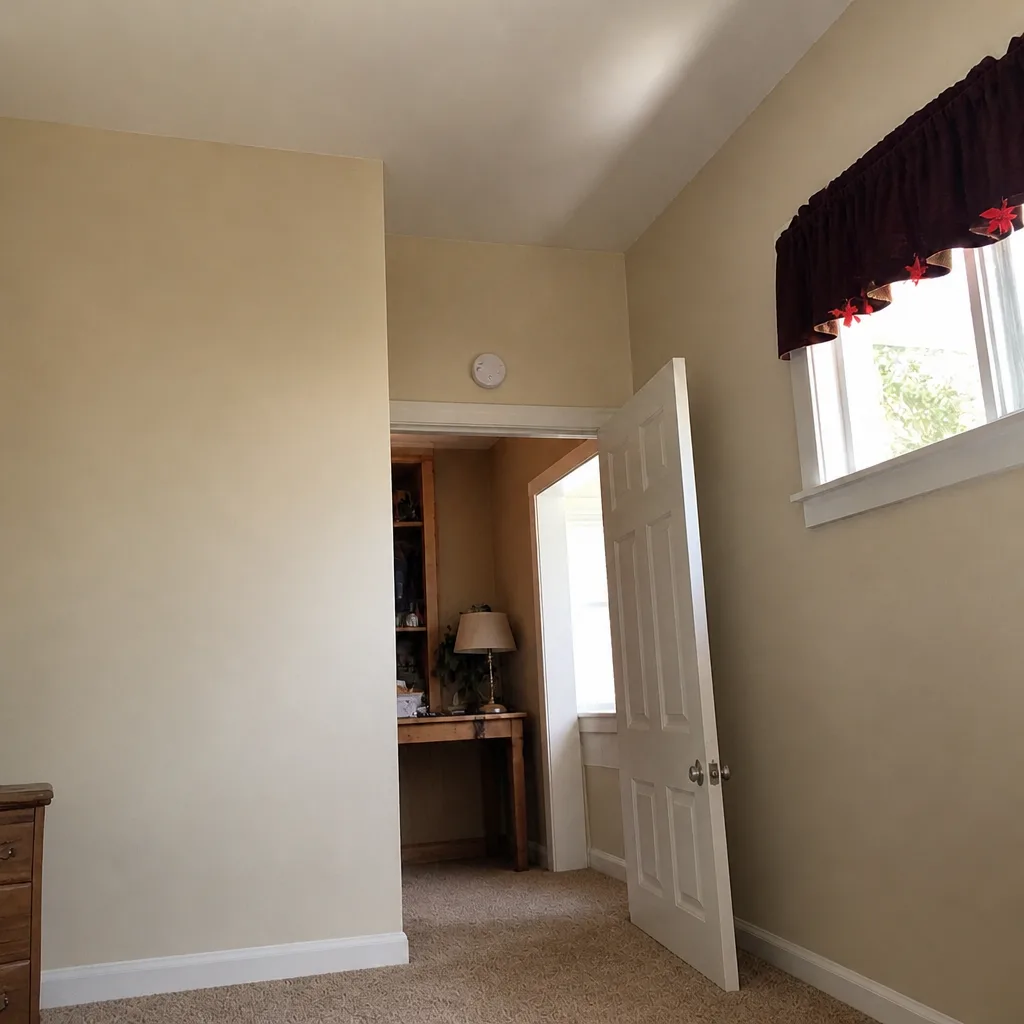 After
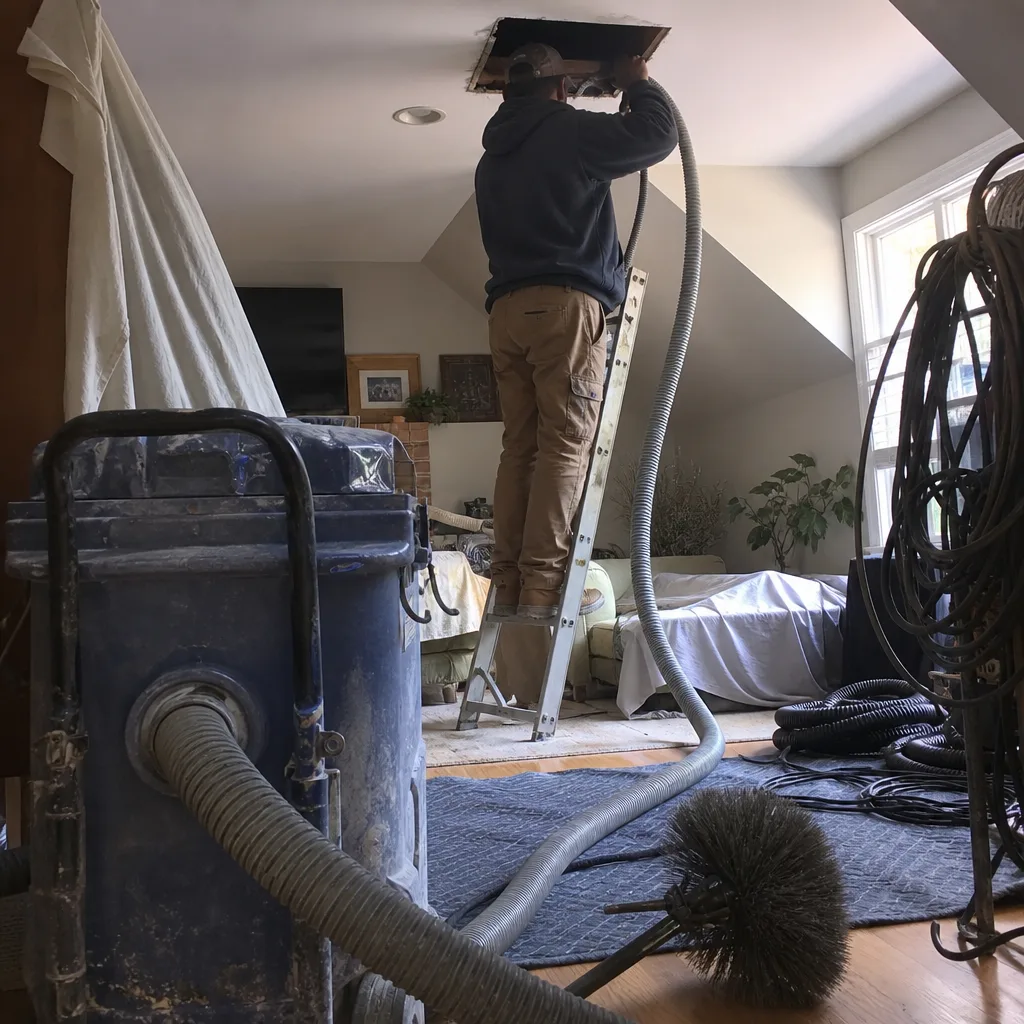 Before
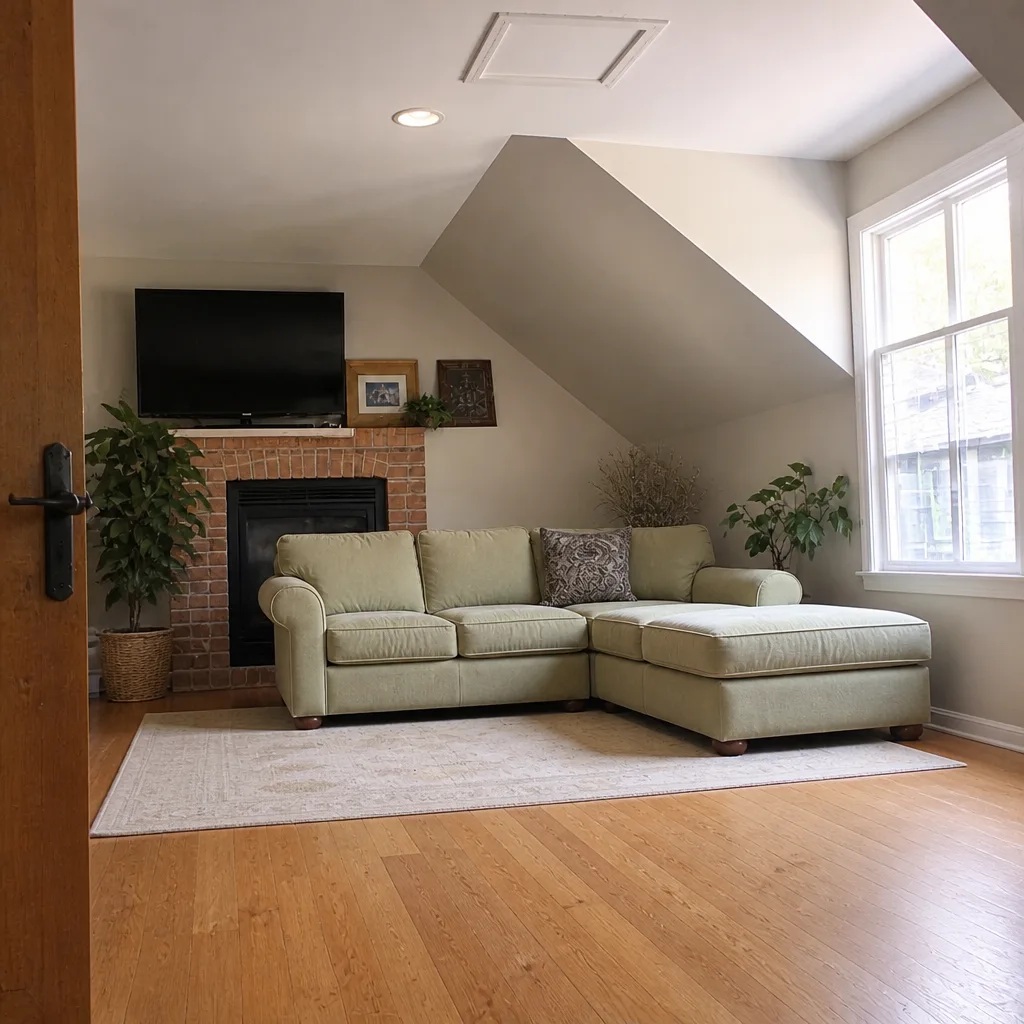 After
When to Call a Professional
Call a professional when you see visible debris in the registers, when the system smells dusty or musty after it cycles on, when someone in the home has asthma or allergies that track with the HVAC, after a renovation, or when the dryer starts taking longer than it used to. Call before assuming a low quote is a deal – a written estimate that names the equipment, the register count, the return drops, and the containment setup tells you more than the price alone ever will. Air duct cleaning on a full negative-pressure system is worth more than the price gap suggests, and a professional can tell you honestly whether you need cleaning, HVAC cleaning, or duct sealing – or some combination. Boulder Air Duct Cleaning Pros offers free estimates in Boulder – call (833) 554-4046.
Frequently Asked Questions
Typical cost is $350 to $500 for a standard Boulder home with 8 to 12 registers, and $550 to $900 for larger systems or crawlspace homes with difficult access. The written estimate sets the final price. Call (833) 554-4046 for an exact quote – estimates are free.
A suspiciously low quote usually reflects undersized equipment: a portable shop-vac-style rig instead of a truck-mounted negative-pressure system, no real containment, and a shorter visit. The low number isn’t a discount – it’s a different, smaller job. Ask which cleaning system the contractor uses and whether returns are included in the scope. Call (833) 554-4046 for an honest whole-system range.
Before-and-after photos of your own registers and duct interiors are the check that matters, along with a written scope that names the equipment and the return drops. Ask before booking. Call (833) 554-4046 to see how we document each job.
Every 3 to 5 years for most homes, sooner after renovation, moisture intrusion, or when a new occupant has allergies. Boulder’s windy, dry spring season loads fine particulate faster than a damper climate, so check the registers when the system cycles on. Call (833) 554-4046 if you’re unsure whether it’s time.
Sanitizing with EPA-registered products is worth it when there’s been moisture intrusion, pest activity, or visible growth, and it typically adds $75 to $150. Ozone treatments and duct coating are the ones to question. Ask what problem each add-on is solving before agreeing. Call (833) 554-4046 for a straight answer on yours.
Dryer vent cleaning runs $100 to $175 on its own or $75 to $125 bundled with a duct cleaning, and it’s worth doing on the same visit. A clogged dryer vent is a fire risk, not an inconvenience. Call (833) 554-4046 to add it to your estimate.
The Bottom Line
Boulder duct cleaning prices in 2026 vary widely for real reasons. Linear footage, return drops, access difficulty, duct material, and equipment quality all drive the number. A standard home runs $350 to $500, a crawlspace or larger system runs $550 to $900, and add-ons for sanitizing and the dryer vent are usually worth it. What isn’t worth it is a teaser rate that grows once the technician arrives. Ask for a whole-system price in writing, ask which Rotobrush or Nikro system will be used, ask whether returns are in the scope, and ask for before-and-after photos of your own ducts. That four-question script separates the honest quote from the one designed to look cheap on paper. The team at Boulder Air Duct Cleaning Pros works with Honeywell and Aprilaire products for post-cleaning air quality upgrades, and our technicians have up to 13 years of experience. One flat price per system, agreed before work starts.
Ready for a written estimate you can compare line by line? Call Boulder Air Duct Cleaning Pros at (833) 554-4046 for a free estimate. We answer 24/7. Fast dispatch from 7am to 7pm, Sunday through Friday.
Written by the team at Boulder Air Duct Cleaning Pros.