
Last updated November 23, 2026
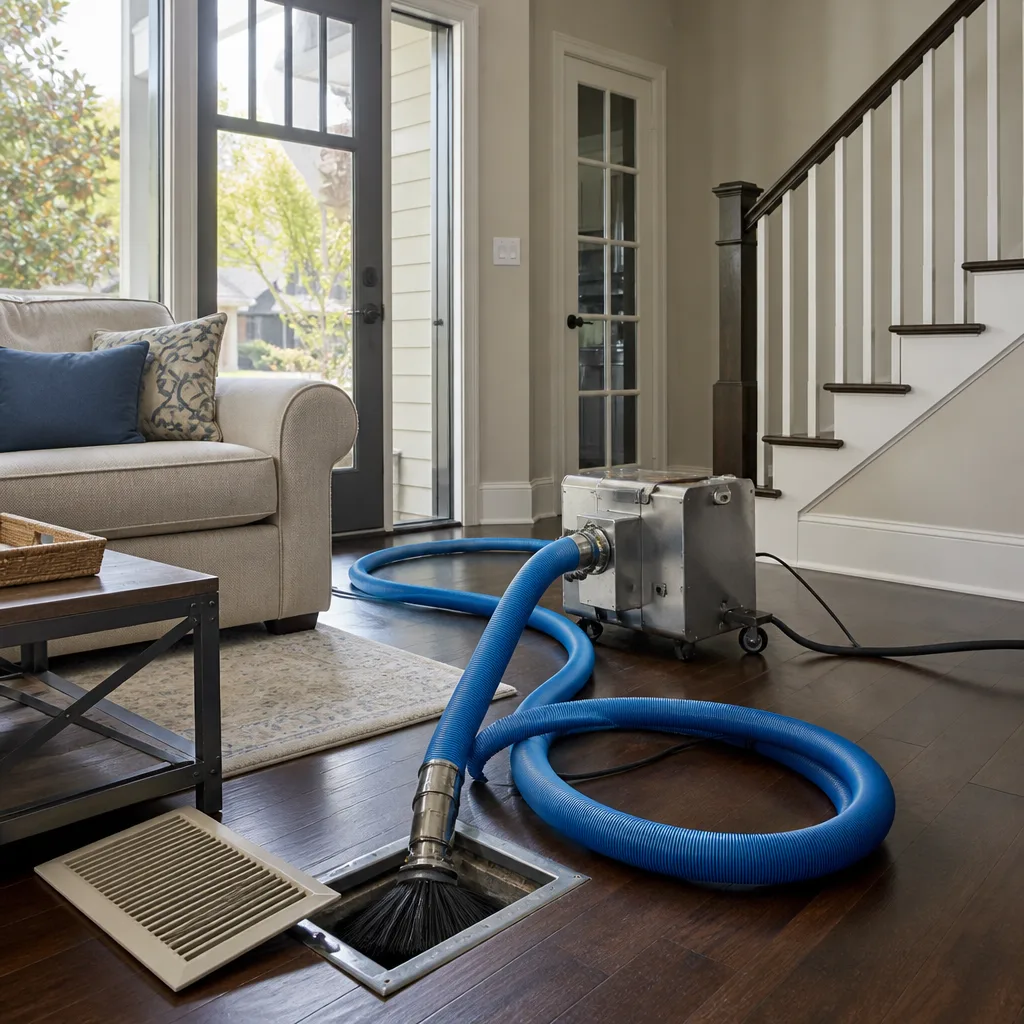 Whole-home duct cleaning
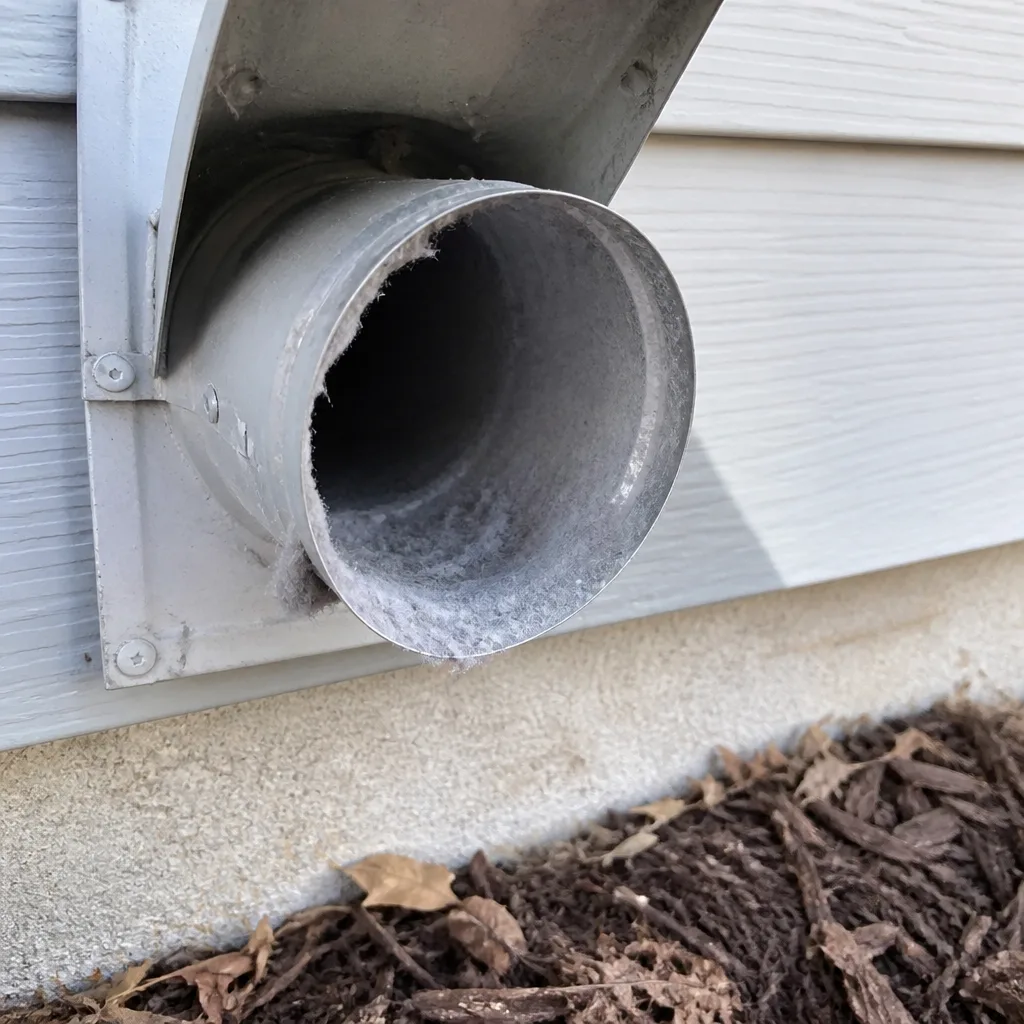 Dryer vent cleaning
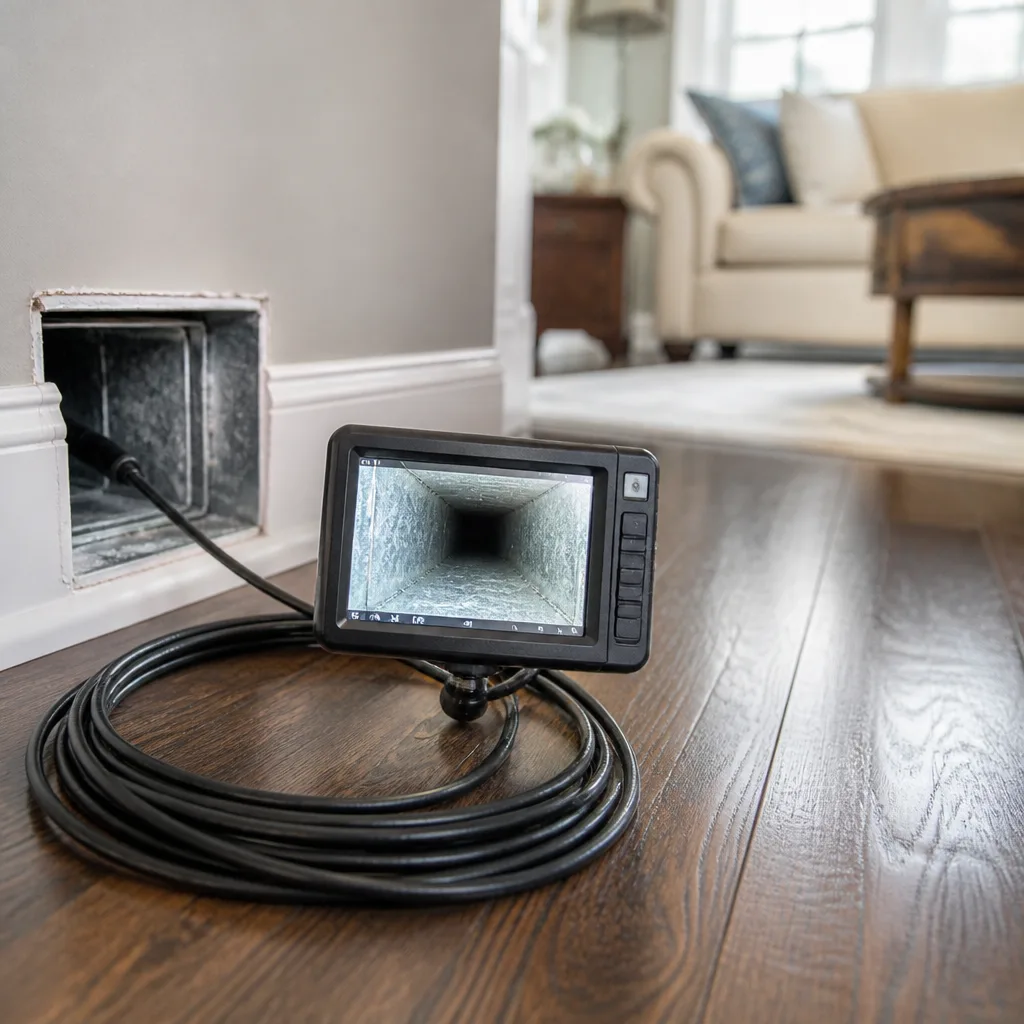 Camera inspection
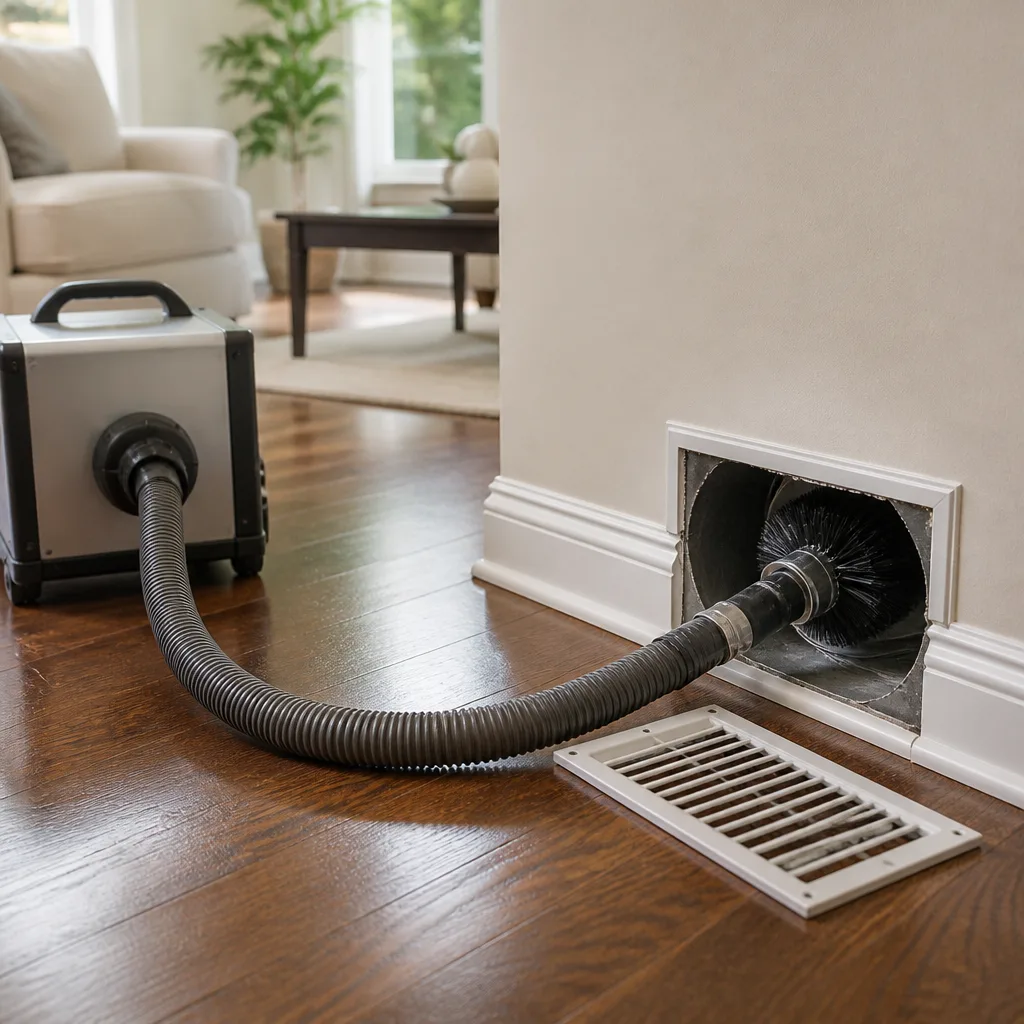 Sanitizing & deodorizing
Whole-system duct and dryer vent check with before-and-after photos - you see exactly what came out of your vents
That "$99 whole-house special" is a bait ad - the real number appears once they are in your hallway, or the "clean" is a shop-vac at the register. We photograph the inside of your ducts before and after instead.
DIY vs Professional Air Duct Cleaning: The Boulder Homeowner’s Decision Guide
Most online arguments about DIY versus professional duct cleaning miss the real point. They frame it as a single yes-or-no question when it’s actually two separate questions with two separate answers. There are duct-related jobs a careful Boulder homeowner can handle with standard tools, and there are jobs that physically cannot be done without equipment a shop vac will never replicate. The misconception we run into most often is the idea that duct cleaning is one task that you either do or hire out. That conflation is exactly where people waste money or end up with ducts that look cleaner but perform worse. This guide draws the line between the two by walking through what you can do at home, what requires negative-pressure equipment and camera inspection, and where a few Boulder-specific building features change the answer.
Here’s the number that reframes the whole conversation. A typical shop vac generates somewhere in the range of 100 to 150 CFM of suction at the hose. A truck-mounted duct cleaning system with a negative-pressure vacuum pulls on the order of 10,000 to 16,000 CFM. That’s not a better version of the same tool. It’s the difference between disturbing dust inside a duct and actually pulling it out of the system and into a containment filter where it can’t go back into your living room. Once you understand that gap, the DIY-versus-pro question stops being about effort and starts being about whether the task is even physically achievable with what’s in your garage.
Our technicians have up to 13 years of experience working on duct systems in Boulder’s housing stock, and the honest answer is that some of what we do would be wasted effort if the homeowner had already handled the simple parts. So let’s split the work into what you can legitimately do, what you can’t, and how to tell the difference before you spend a dime.
Quick Answer
Homeowners in Boulder can legitimately clean return and supply register grilles, remove lint from a dryer vent down to the first bend, and visually inspect accessible flex duct in a crawlspace or open basement. Everything that requires sustained suction through the main trunk, contact agitation of the duct interior, evaporator coil cleaning, or camera inspection of finished-wall runs requires professional-grade equipment like a Rotobrush or Nikro system paired with negative-air containment. DIY attempts in those zones push debris deeper into the system and make the eventual professional cleaning bigger, not smaller.
Styles & brands we work with
- Whole-home duct cleaning
- Dryer vent cleaning
- Camera inspection
- Sanitizing & deodorizing
Table of Contents
- Why a Shop Vac Can’t Do What a Duct Vacuum Does
- The DIY Tasks That Actually Make Sense
- The Tasks That Require Professional Equipment
- When DIY Attempts Make Professional Cleaning Harder
- How Boulder Housing Stock Changes the DIY Equation
- How to Do a Legitimate DIY Pre-Inspection
- The Dryer Vent Exception: Where DIY Has Real Limits
Why a Shop Vac Can’t Do What a Duct Vacuum Does
The performance gap between consumer and professional equipment comes down to three things: total airflow, sustained static pressure across a long hose run, and where the exhaust goes.
Airflow is the headline number. A shop vac produces 100 to 150 CFM at the nozzle in open air. A truck-mounted or high-capacity portable system built specifically for duct work produces 10,000 to 16,000 CFM. When you connect a shop vac to a 6-inch round duct and run it 40 feet, the airflow collapses. There simply isn’t enough pressure to move air through a long run of pipe, and the dust that’s stuck to the duct walls stays stuck.
Static pressure matters just as much. Duct systems are designed to carry airflow under specific pressure conditions. A professional system generates enough negative pressure to draw airborne debris back through the main trunk toward a collection point, which is why the process is called source removal. You’re not cleaning one branch at a time. You’re pulling the whole system toward a single extraction point while the branches are individually agitated on the other end.
The exhaust question is where most DIY attempts actually create a problem. A shop vac exhausted into a living room or crawlspace pushes whatever it captures back into the air unless it has a HEPA-grade filter. Professional systems route captured material directly into containment. Our equipment includes Abatement Technologies containment and air scrubbing on top of the Rotobrush and Nikro extraction units, because the extraction is only as good as the filter between the duct and your lungs. A 0.3-micron particle moving at high velocity needs a real filter to stop it, and a paper cartridge or standard bag on a shop vac isn’t built for that load.
The contact cleaning piece
Extraction alone doesn’t clean duct interiors. The walls of a supply duct accumulate a film of settled dust, and on flex duct that film catches on the corrugations. Professional systems use rotating brush heads and whips that physically contact the duct wall while the vacuum pulls material back to the collection point. That combination is what removes the buildup instead of just loosening it for the next HVAC cycle to redistribute.
Any DIY method that doesn’t combine airflow with physical contact cleaning is going to leave the film in place. That’s why a leaf blower or a shop vac run through a register doesn’t produce the change a homeowner expects.
The DIY Tasks That Actually Make Sense
This is the list we’d hand a homeowner without hesitation. None of it requires special equipment, none of it puts you at risk, and all of it improves the accuracy of a professional’s scope of work if you do end up calling someone.
- Remove and clean the register grilles. A screwdriver and a sink of warm soapy water are enough. Return air grilles in particular collect visible lint and dust, and cleaning them takes five minutes. This is the most overlooked task in residential air duct cleaning conversations and one of the most valuable.
- Vacuum the register boots. With the grille off, you can reach the first 6 to 12 inches of the duct boot with the crevice tool on a shop vac. That’s the highest-accumulation zone in most systems and, in our experience, the one a homeowner can meaningfully clean. Stop at the point where the boot transitions into the main run and don’t push the tool farther.
- Clear dryer vent lint to the first bend. Disconnect the vent from the back of the dryer, vacuum out the transition duct, and clear lint from the first bend behind the wall box. Do not run a powered auger down the wall cavity yourself. We’ll explain why below.
- Visually inspect accessible flex duct. In crawlspaces and unfinished basements, you can see whether flex runs are kinked, torn, or disconnected at the collar. A disconnected flex run dumps conditioned air into the crawlspace and pulls crawlspace air into the return. Note anything obvious for the next conversation with your HVAC tech.
- Check and clean the return grille filter if your system has one. It’s usually a thin electrostatically charged pad that sits behind the grille. Replace it when it’s visibly loaded.
- Photograph the accessible duct runs that show kinks, tears, or build-up. Photos make a professional estimate far more accurate than a verbal description.
That’s the full list. Anything beyond these six points needs equipment or access a homeowner typically doesn’t have. The register-cleaning and boot-vacuuming steps are worth doing regularly regardless of whether you ever hire anyone.
The Tasks That Require Professional Equipment
This list is where DIY stops being effective and, in a few cases, where DIY stops being safe.
- Negative-pressure source removal through the main trunk. This is the core of a real cleaning. A single high-capacity vacuum connection at the trunk pulls the whole system toward the extraction point while each branch is agitated. There’s no home tool that replicates this. A Rotobrush or Nikro system sized for residential work, paired with containment, is the minimum threshold.
- Contact cleaning of duct interiors. Rotating brush heads and cable-driven whips that physically scrub the duct wall. Shop vacs don’t do this and consumer brush kits don’t generate enough sustained airflow to pull the loosened material back to the vacuum.
- Evaporator coil cleaning and blower wheel cleaning. The coil and blower live inside the air handler and require disassembly, coil-safe chemical contact, and careful rinsing. This is part of HVAC cleaning, not duct cleaning alone, but the two get confused constantly. Coil fouling is a bigger airflow problem than duct dust in most Boulder homes, and a shop vac can’t reach it.
- Camera inspection of inaccessible runs. Ducts buried in finished walls or routed through slabs can’t be inspected from the register. A duct camera lets us see disconnected joints, collapsed flex, and pest intrusion. No homeowner tool does this.
- Containment and air scrubbing. During cleaning, the workspace is sealed and air is scrubbed through HEPA filtration. That’s what keeps captured material out of your living room. Abatement Technologies equipment is the standard we hold the process to, and there’s no consumer equivalent.
- Duct sealing and repair. Once the ducts are clean, sealing the leaks is what preserves the result. That means mastic, mesh tape, and in some cases aeroseal-style injection. A homeowner can spot a disconnected flex collar, but reconnected and sealed properly means mechanical fastening plus sealant, not duct tape.
What about a rented shop vac with a HEPA filter?
A HEPA-filter shop vac improves the exhaust side but doesn’t change the airflow math. You still have 100 to 150 CFM at the nozzle versus 10,000-plus. You’re pulling some surface debris from a single register boot and pushing air around inside the trunk without moving anything meaningful. In practice, this is the DIY approach that most often makes the eventual professional job harder. We’ll get to that next.
When DIY Attempts Make Professional Cleaning Harder
This is the section we wish more homeowners read before grabbing the leaf blower. Attempting to clear a duct system with improvised equipment doesn’t just fail to clean it. It can make the system harder and more expensive to clean properly, and it can pull contamination into places it wasn’t before.
Pushing debris further into the system
A leaf blower, shop vac, or compressed air nozzle inserted into a register generates a puff of high-velocity air with very little sustained flow. That’s enough to dislodge loose debris in the boot and blow it deeper into the branch run. Material that would have been captured in a routine source-removal cleaning ends up sitting in a horizontal run where gravity keeps it going forward with each HVAC cycle.
Lifting settled material into the airstream
In a powered-off system, dust settles. When someone powers up a shop vac at a register and then turns on the HVAC afterward, the disturbed dust gets lifted into the supply airstream and deposited into the living space. If the HVAC fan runs during the attempt, that’s a worse outcome. Contaminants that were quietly settled in a boot now cycle through the house. In our experience this is the single most common consequence of amateur duct cleaning.
Losing track of disconnected flex runs
During a DIY attempt, it’s easy to detach a flex duct at a collar to “get a better look” and then leave it disconnected. In a crawlspace, a disconnected return flex will pull crawlspace air into the living space continuously. We’ve seen this create a bigger indoor air quality problem than the original duct buildup ever did. That’s why crawlspace work belongs on the visualization-only list unless you’re reconnecting to the exact same collar configuration.
Voiding the value of a future cleaning
Source-removal cleaning relies on the material staying where it is until the vacuum is connected and the system is under negative pressure. If the material has been redistributed, the cleaning needs to run longer and may need a second pass. Same service, more time, bigger estimate. That’s the practical cost of the DIY attempt, and it’s the cost that shows up after the fact.
How Boulder Housing Stock Changes the DIY Equation
Boulder’s housing stock is more duct-friendly for DIY than most cities, which is genuinely good news for homeowners who want to handle the simple parts themselves. Crawlspace access and exposed flex duct are common in the older neighborhoods and the mid-century ranch houses that make up a large share of the city’s residential inventory. In those homes, a homeowner can reach a large portion of the duct system visually, clean register boots properly, and spot disconnections before they become a real problem.
That access is heavily variable, though. The neighborhoods that grew up after the 1990s have far more ducts routed through finished walls and slab. A finished basement or a first-floor system that runs through the ceiling of a finished room offers no access at all. In those homes, DIY stops at the register grille. There’s simply nothing accessible to inspect or clean beyond the boot.
Specific Boulder considerations
- Dry, dusty summers. Boulder’s dry climate means fine dust that settles into ducts between HVAC cycles. The register grille catches a lot of it, which makes regular grille cleaning genuinely valuable here.
- Windblown debris and pollen season. Spring pollen loads the return filter fast. A cleaner return filter means less of it reaching the duct interior.
- Wildfire smoke seasons. Homes with outdoor air intake or economizer dampers can pull smoke particulates into the return system depending on configuration. Cleaning the filter and, in bad seasons, keeping windows closed helps. The filtration question is where professional air quality and sanitizing work earns its keep, not duct cleaning alone.
- Older homes with original galvanized ductwork. The seams on older duct systems leak. Cleaning without sealing is sometimes a short-term win on a system that needs a sealing pass anyway.
- Split-levels with ducts in the chase. Common in Boulder’s mid-century neighborhoods. Access is possible from the crawlspace but not the upper floor. Partial DIY, partial pro, and worth clarifying with whoever inspects.
The Boulder-specific takeaway is this: if you have crawlspace access, you have more DIY options than most homeowners, and a better pre-inspection opportunity. If your ducts are buried, DIY stops at the grille.
How to Do a Legitimate DIY Pre-Inspection That Saves Money
This is the highest-value non-cleaning activity a homeowner can do. A good pre-inspection shortens the professional job, tightens the estimate, and reduces the risk of a scope surprise. It’s done with a flashlight, a phone camera, and about 30 minutes. It never involves inserting anything into the duct system.
- Map the returns and supplies. Walk the house and note every return and supply register. Count them. Write down room locations. This takes ten minutes and clarifies the system’s real scope.
- Remove the grilles and photograph each boot. With the grille off, look into the boot for anything beyond a light dust film. Heavy lint accumulation, debris, or visible pest material are worth flagging in the estimate conversation.
- Check the air handler filter. Photograph it before you change it. The loading pattern tells a technician a lot about how the system is running.
- Inspect accessible flex runs in the crawlspace. Look for kinked runs, disconnected collars, tears, and runs that have collapsed onto themselves. Photograph anything obvious. Do not disconnect anything.
- Check the dryer vent run. Disconnect the dryer, photograph the transition duct and wall-box, and clear lint to the first bend. Note if the run goes up an exterior wall, through a garage, or through a roof.
- Write a one-page summary with the register count, photos, and anything that struck you as off. Hand it over when you call for an estimate.
Why this actually saves money
An estimate on a system we haven’t seen runs conservative. An estimate informed by register counts, boot photos, and crawlspace photos runs tight. A cleaner who walks in with a clear picture of your system quotes what the system needs, not what the average system needs. If the pre-inspection shows a small, simple system with recently replaced filters and no obvious issues, the estimate reflects that. So does the amount of time the cleaning takes, which is the actual driver of the final invoice.
Pre-inspection also tells the homeowner whether to call at all. If the boots are light, the filter is recent, and the crawlspace flex looks fine, there may not be a compelling reason to schedule a full cleaning yet. Honest answers are more useful than scheduled appointments.
The Dryer Vent Exception: Where DIY Has Real Limits
Dryer vents are the one place on the DIY list where we’d push a homeowner to draw the line earlier. Part of that is fire risk – clogged dryer vents are a genuine cause of house fires, and the failure mode is not gradual. Part of it is just geometry. A typical Boulder home has a dryer vent run through an exterior wall with one or two bends and a roof or wall termination point. The transition duct behind the dryer and the first bend are accessible. Everything past the first bend usually isn’t.
What’s safe to do yourself
- Disconnect the dryer vent, vacuum out the transition duct, and clear lint from the wall box.
- Remove lint from the exterior termination hood if it’s accessible from the ground.
- Confirm the vent flap opens fully when the dryer runs.
- Check that the run is rigid or semi-rigid metal duct rather than plastic flex. Plastic flex is no longer acceptable in most jurisdictions, and it catches lint on its corrugations.
What requires professional equipment
- Running a cleaning tool through the wall cavity or above-ceiling run. A powered auger used incorrectly can dislodge a joint or damage flex duct.
- Roof-terminated dryer vents. That’s height work, and the failure mode is falling.
- Long runs with multiple 90-degree bends. Lint accumulates at each bend, and access without a rotary brush or powered vent tool is essentially zero.
- Any vent that runs through an interior wall or through a garage and terminates far from the dryer.
If your dryer is taking longer to dry, the run is longer than 15 feet, or the termination is on the roof, dryer vent cleaning done professionally is the honest answer. The fire risk is bad enough that partial DIY isn’t worth the risk of missing the load.
Common Mistakes to Avoid
- Running a shop vac through a register with the HVAC on. The system fan pulls whatever the vacuum loosens straight into the supply airstream and into living space. Turn the system off first, and preferably don’t do it at all.
- Using a leaf blower or compressed air to “clear” ducts. High-velocity short bursts blow settled material deeper into the branch run or into the main trunk where source-removal cleaning becomes slower. It’s the most common DIY mistake we see in Boulder.
- Disconnecting flex duct in the crawlspace without the right collar. Flex collars are sized to the run. A disconnected return flex that isn’t reconnected properly pulls crawlspace air into the living space continuously.
- Spraying duct interiors with household disinfectants. Off-the-shelf sprays don’t reach the entire run, can leave residue on flex duct, and can corrode sheet metal. If sanitizing is warranted, it’s done with products designed for HVAC systems.
- Confusing coil cleaning with duct cleaning. A duct system can be free of debris and still have a fouled evaporator coil. The coil is where HVAC cleaning starts, and cleaning it matters more than vacuuming ducts for airflow complaints.
- Skipping the return filter change. The return filter is the cheapest thing a homeowner can do for duct cleanliness, and the one with the fastest payback in a dry climate. Change it on schedule, not on vibes.
- Using a powered auger on a long dryer vent run without knowing the geometry. Without camera access you don’t know where the bends are. Powered tools can disconnect a joint and leave lint trapped in a corner.
See the difference
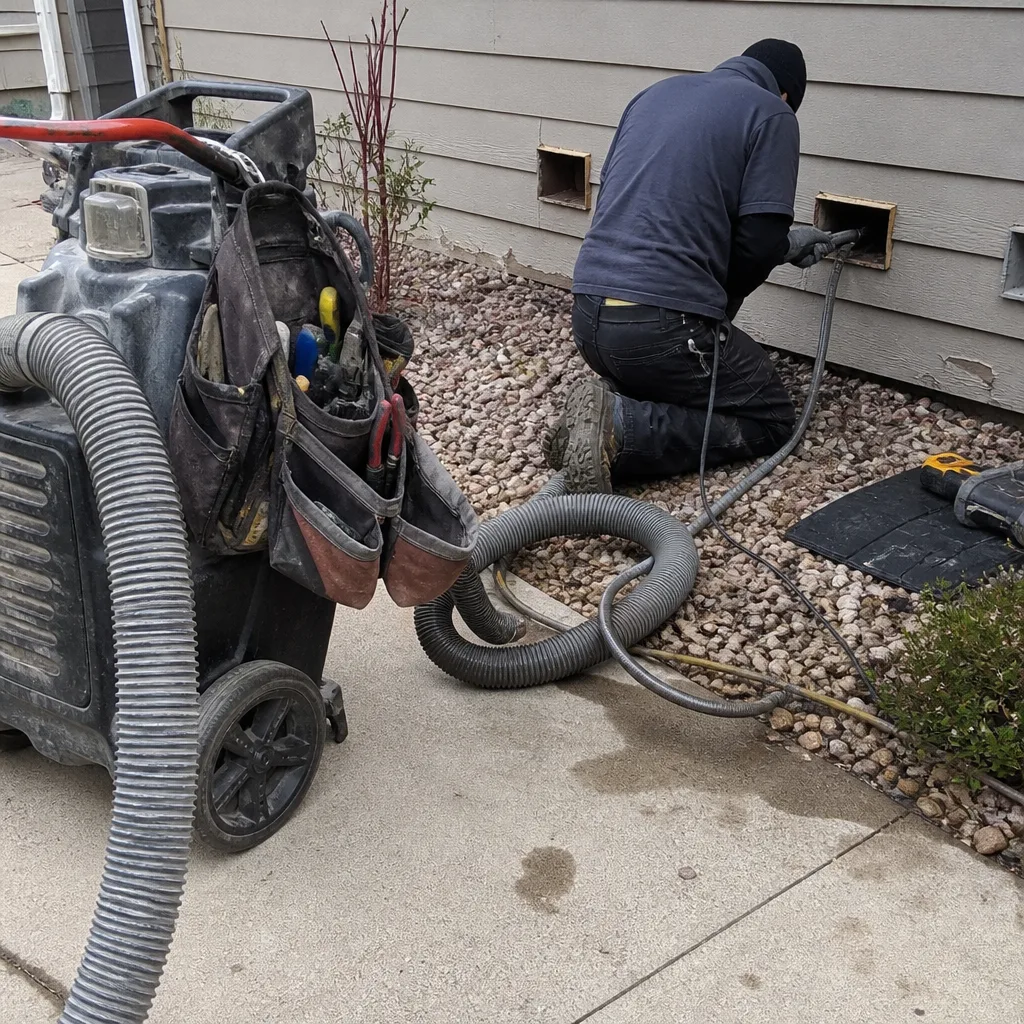 Before
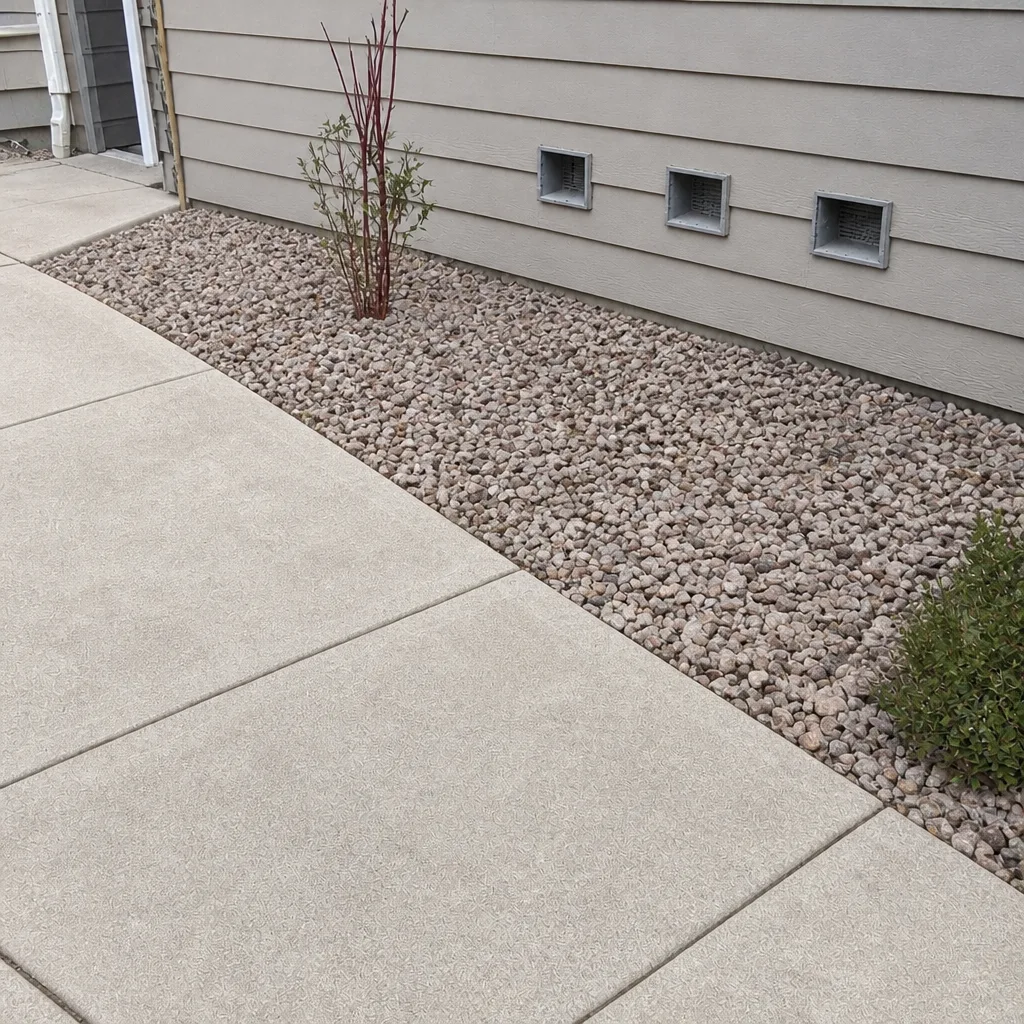 After
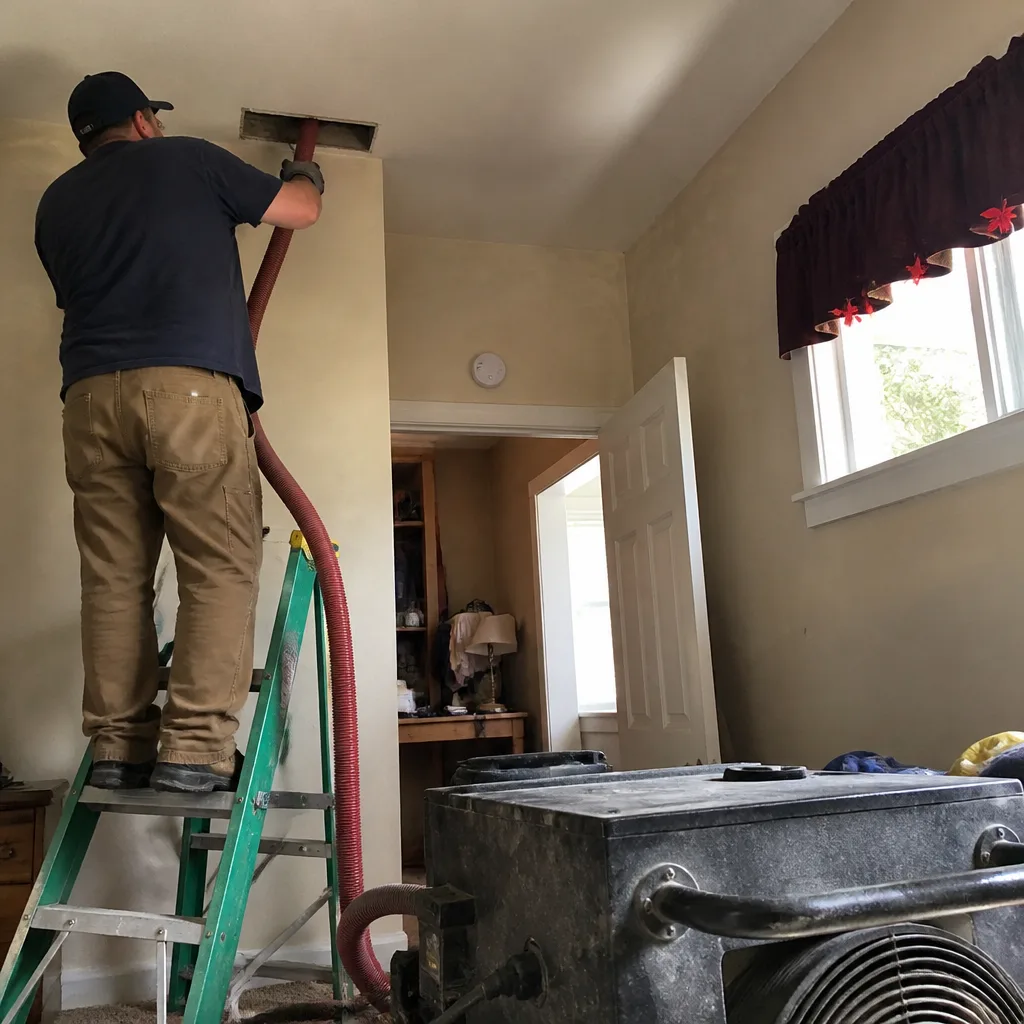 Before
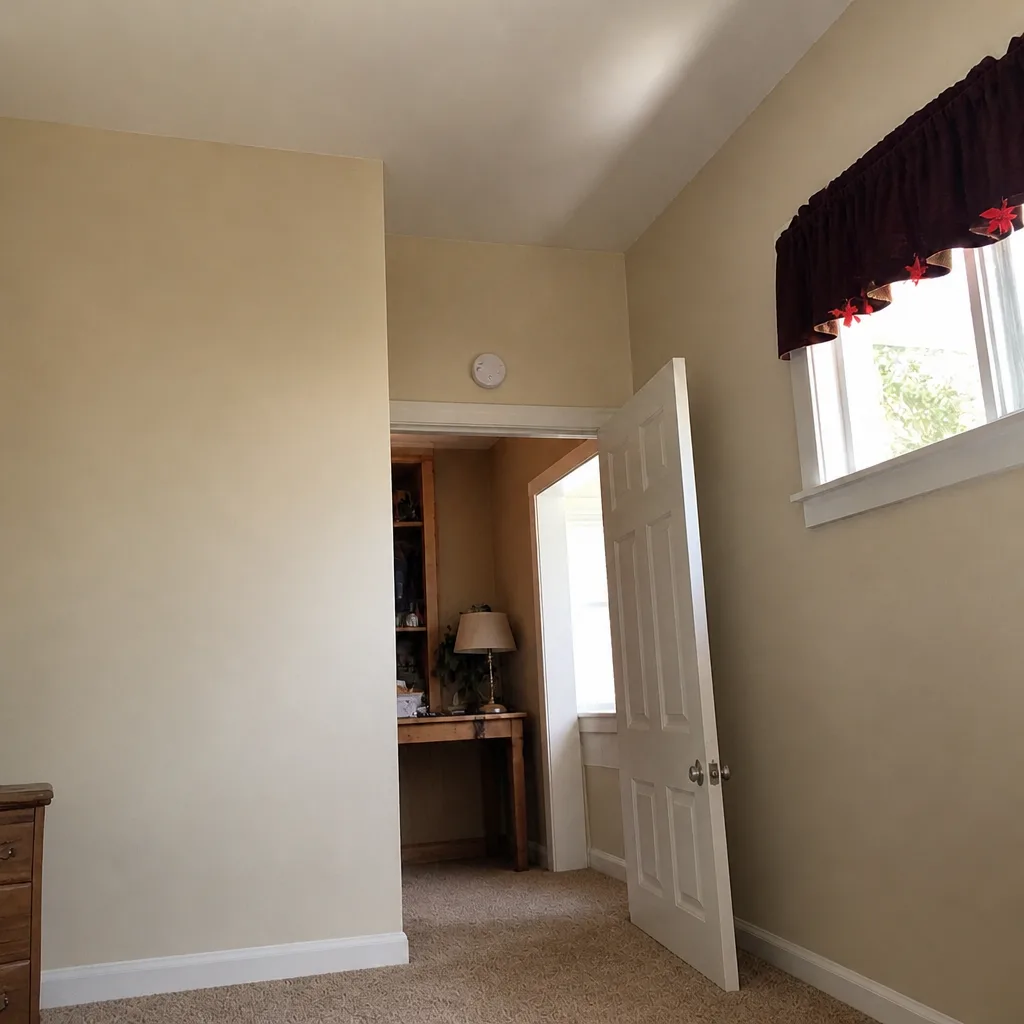 After
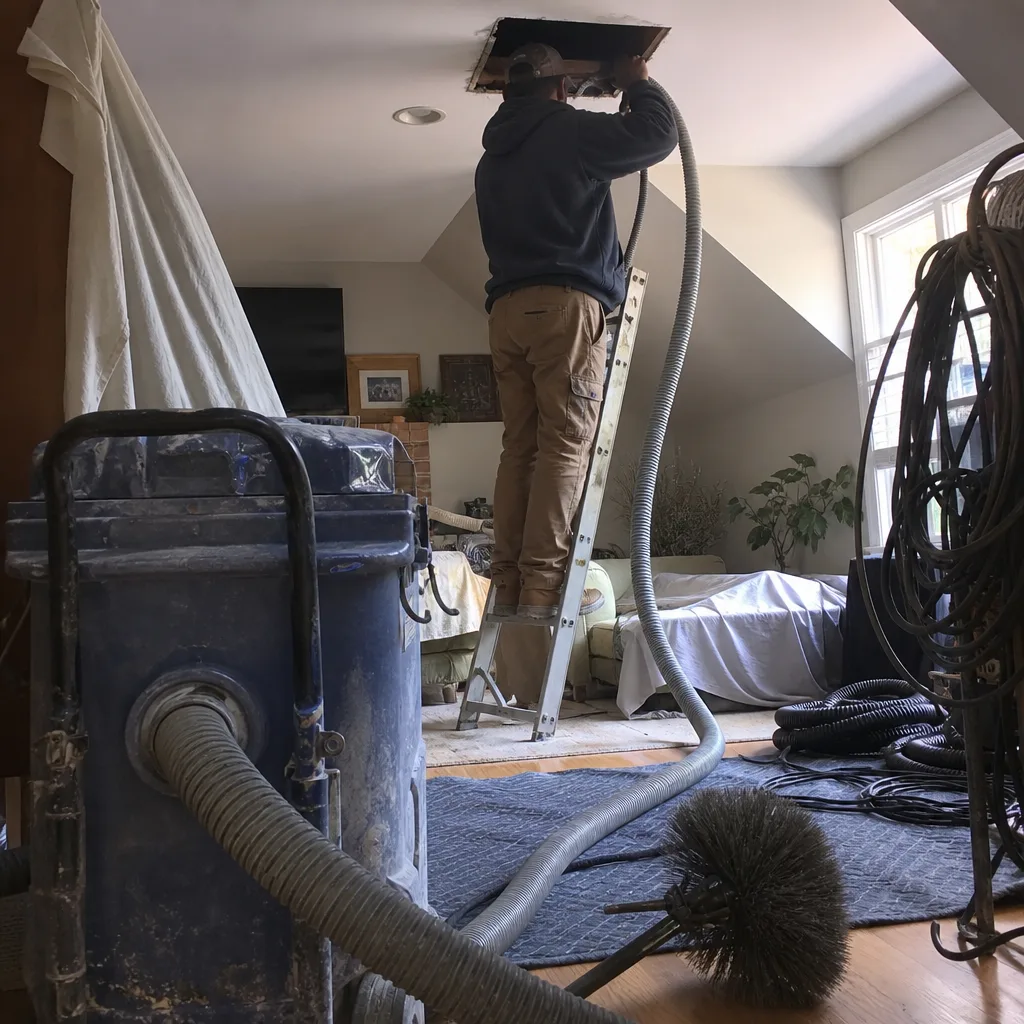 Before
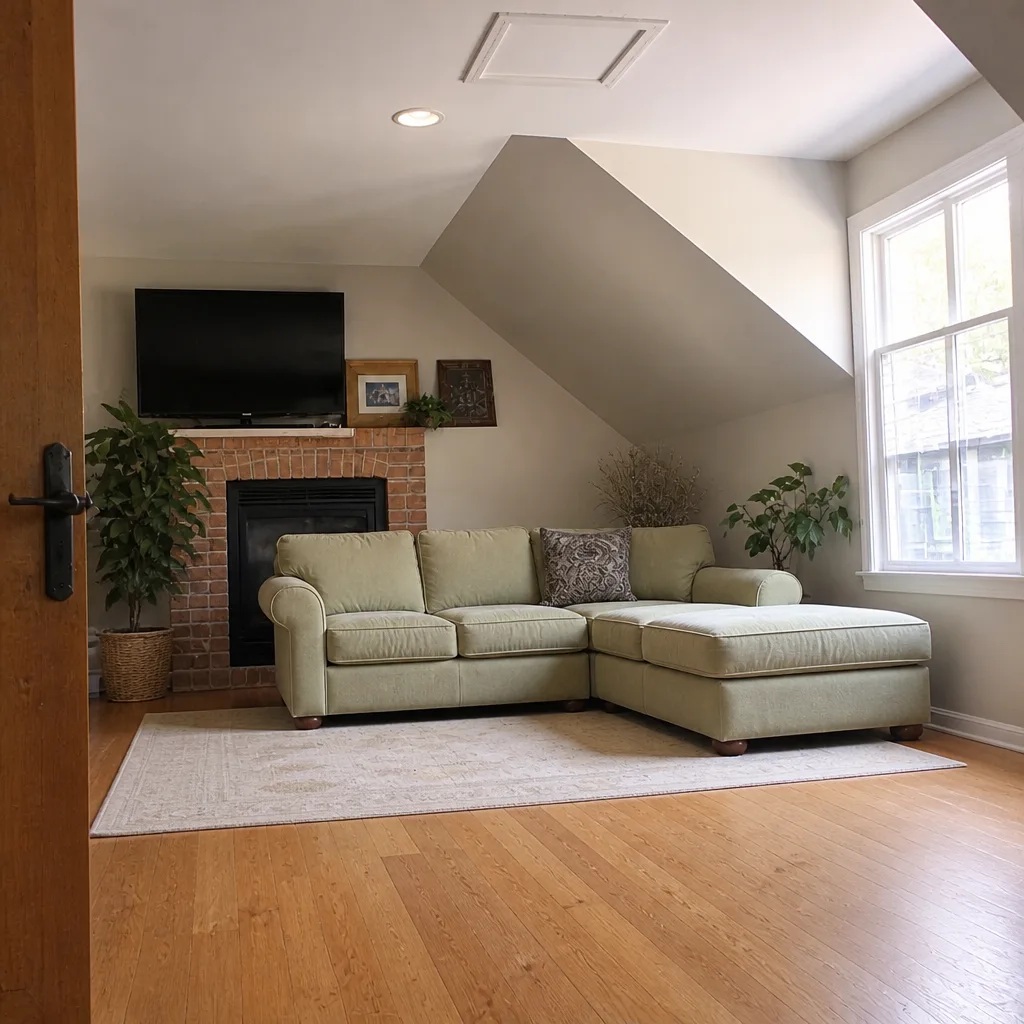 After
When to Call a Professional
Call for a professional cleaning when any of the following apply. First, visible debris or lint accumulation beyond the register boot. Second, a system that hasn’t been cleaned in a very long time and has multiple visible dust plumes at the registers when the fan starts. Third, a coin, toy, or pest material recovered at a register. Fourth, any duct system with visible mold growth or musty odor that returns after filter changes. Fifth, a dryer vent run longer than 15 feet, roof-terminated, or with multiple bends. Sixth, a system with known disconnections or kinked flex runs, because the cleaning and the repair belong in the same visit. Seventh, anyone buying a home in Boulder where the duct history is unknown.
Boulder Air Duct Cleaning Pros offers free estimates in Boulder. Call (833) 554-4046. We answer 24/7. Fast dispatch from 7am to 7pm, Sunday through Friday. The estimate is per job, in writing, and the work uses professional-grade Rotobrush, Nikro, and Abatement Technologies equipment with Guardsman-grade surface protection inside your home.
Frequently Asked Questions
You can clean the register boots and the first 6 to 12 inches of the duct with a shop vac. You cannot clean the main trunk, the branch runs, or the air handler with one, because the airflow is 100 to 150 CFM at the nozzle versus 10,000-plus on a purpose-built duct vacuum. The practical answer is that DIY gets you the surface layer and leaves everything behind it in place. Call (833) 554-4046 for an exact quote on a full-system cleaning – estimates are free.
Pricing is set per job by the written estimate because system size, register count, and access vary so much between Boulder homes. A home with crawlspace access and a simple layout costs less than a home with ducts buried in finished walls. We don’t quote a teaser figure and won’t send a technician who finds a bigger number once he’s on site. Call (833) 554-4046 for a free estimate and a written price for your specific system.
Because they’re quoting a different service. A low quote is usually register-surface vacuuming with a shop vac and no containment, no main-trunk source removal, no camera inspection, and no sealing of what turns up. What isn’t cleaned is what’s left behind, and that’s what determines whether the job actually improves airflow or air quality. Ask what equipment will be used and whether containment is included. Then call (833) 554-4046 and compare the answer – estimates are free.
Ask for before-and-after photos of your own ducts and boots, taken at the same registers. A legitimate cleaner will show you what came out of the system and what’s still in there. Photos of the containment setup and the vacuum connection are equally fair to ask for. Call (833) 554-4046 and we’ll walk you through what the report includes before scheduling.
Most Boulder homes don’t need it on a fixed calendar schedule. A system with a clean filter, sealed ducts, and no visible issues can go several years between cleanings. Homes with pets, recent renovation dust, wildfire smoke intrusion, or a history of disconnected flex runs need it more often. The honest answer is that you clean when there’s evidence the system needs it, not because a card came in the mail. Call (833) 554-4046 and we’ll tell you what the pre-inspection photos suggest – estimates are free.
It depends on the ductwork. Older Boulder homes often have original galvanized duct with leaking seams, and some have unsealed crawlspace returns that pull air from the crawl into the living space. Cleaning without sealing those returns is a partial fix. Our duct repair and sealing work addresses the root cause, and the pre-inspection tells you which one you’re dealing with. Call (833) 554-4046 for a free estimate on the right scope.
The Bottom Line
The DIY versus professional decision isn’t a philosophy. It’s a line-item exercise. Register grilles, register boots, and the first bend of the dryer vent are yours. They’re simple, safe, and worth doing regardless of whether you hire anyone. Main-trunk source removal, coil cleaning, camera inspection, and any duct work beyond the boot need equipment that costs more than most homeowners will spend in a decade of filter changes. If you attempt the second list with the first list’s tools, you push debris deeper and make the eventual professional job longer. A thirty-minute pre-inspection with a flashlight and a phone camera closes that gap – it tells you whether to schedule or not, and it lets a cleaner quote your system instead of the average system. At Boulder Air Duct Cleaning Pros we run the full menu, from dryer vent cleaning through air quality and sanitizing, because most homes need more than one of them. See what the rest of the work looks like at Boulder Air Duct Cleaning Pros, then call (833) 554-4046 for a free written estimate. We answer 24/7. Fast dispatch from 7am to 7pm, Sunday through Friday.
Written by the team at Boulder Air Duct Cleaning Pros.