
Last updated November 23, 2026
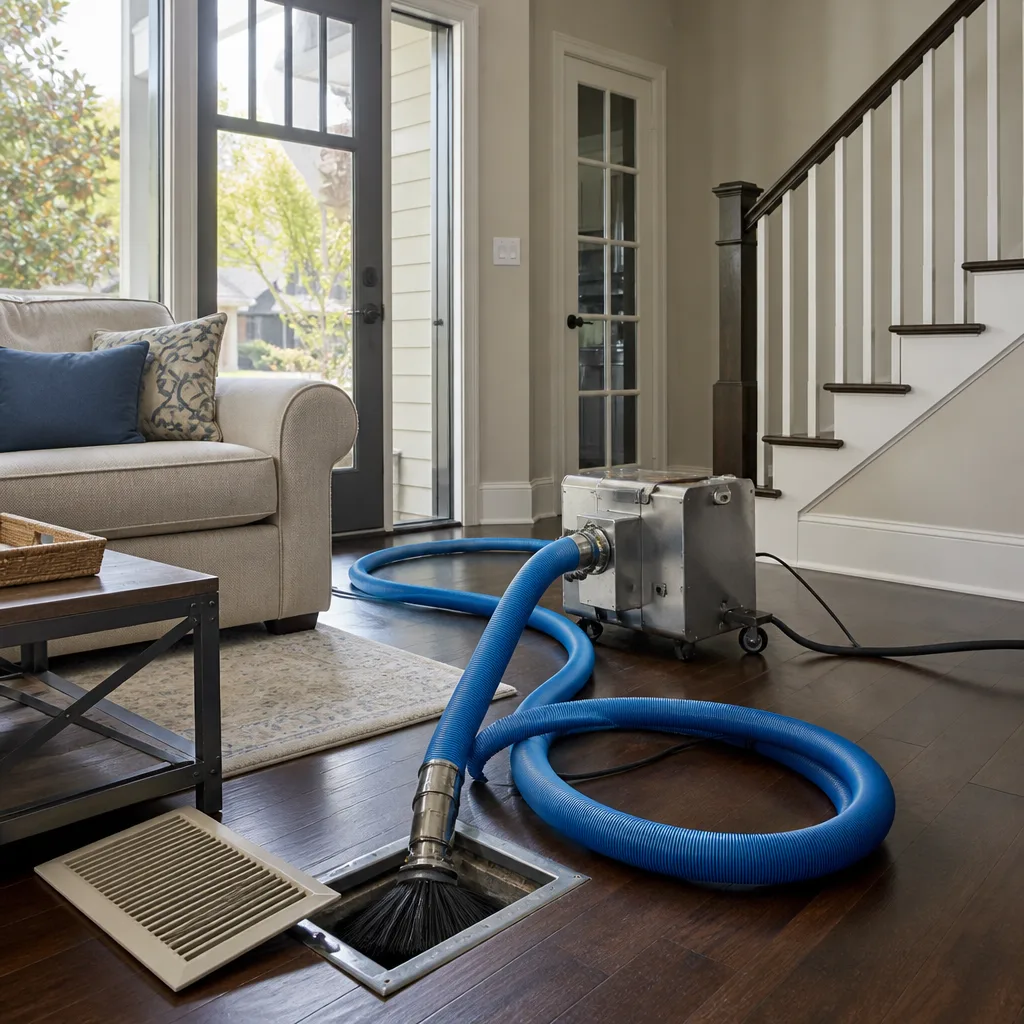 Whole-home duct cleaning
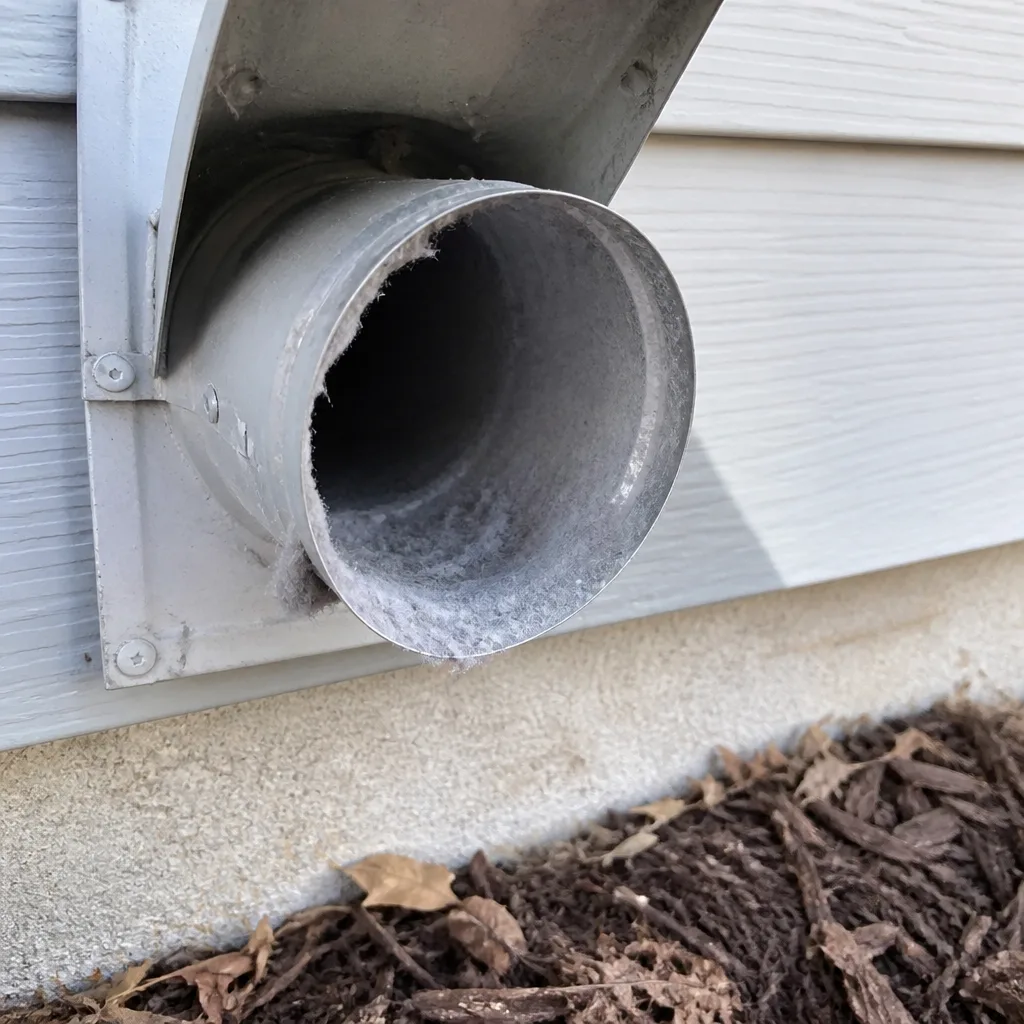 Dryer vent cleaning
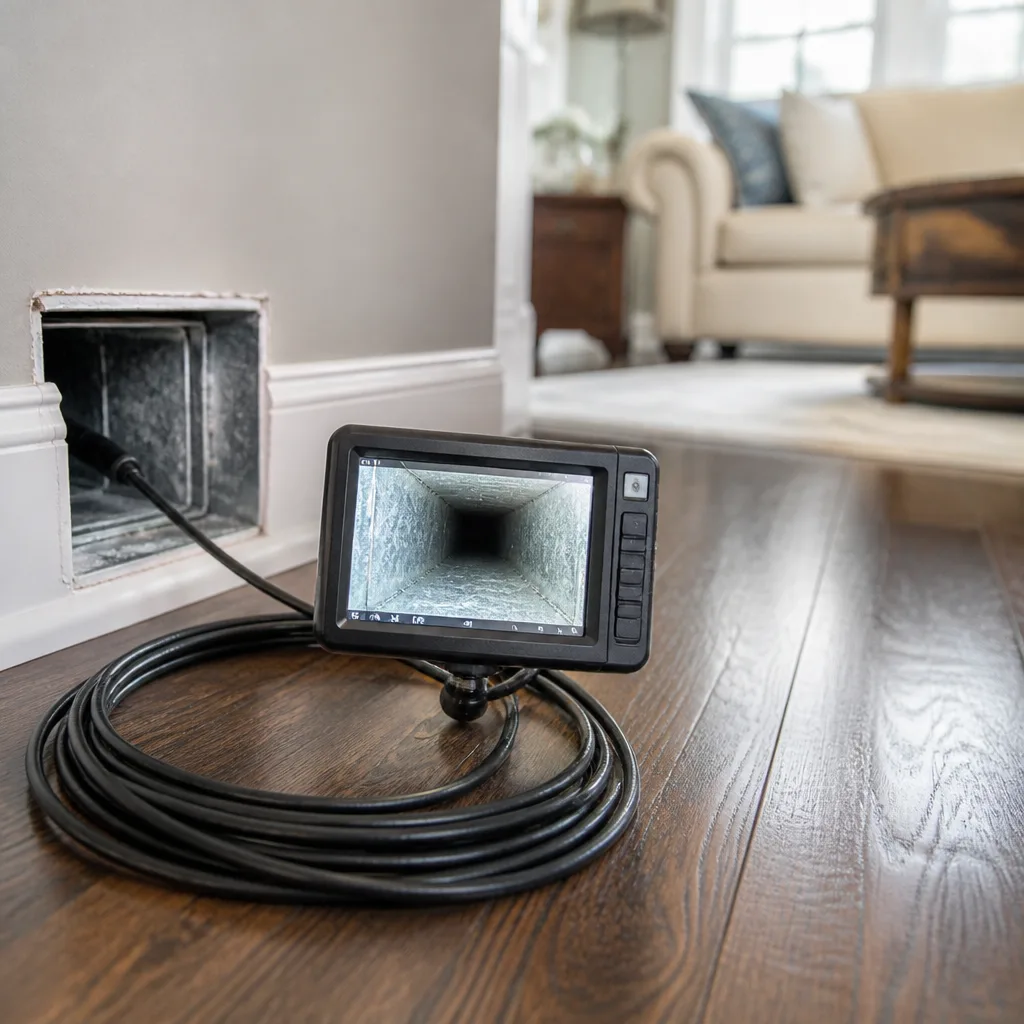 Camera inspection
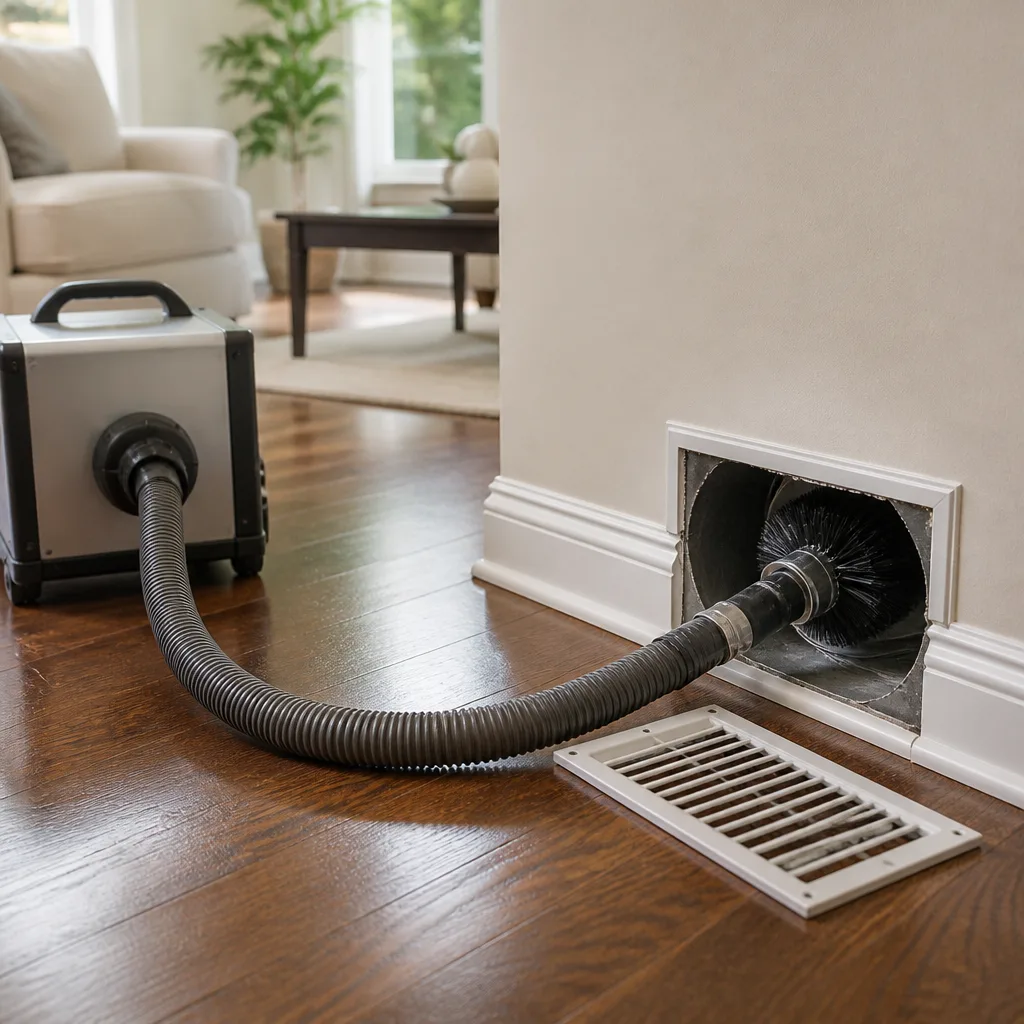 Sanitizing & deodorizing
Whole-system duct and dryer vent check with before-and-after photos - you see exactly what came out of your vents
That "$99 whole-house special" is a bait ad - the real number appears once they are in your hallway, or the "clean" is a shop-vac at the register. We photograph the inside of your ducts before and after instead.
Air Duct Cleaning Warning Signs: A Boulder Homeowner’s Reference Guide
Most warning-sign checklists stop at “you see dust.” That’s the problem. By the time dust is visible on your registers, the contamination has usually been circulating for a while. The signs that actually matter in Boulder homes are subtler: a smell that only shows up when the heat first cycles on in October, a single cold room in an otherwise even split-level, a gray film on the supply grilles that reappears days after a filter change. Each points to a different failure mode, and each calls for a different response. This guide walks through those signature clues, what they mean for your duct system, and when the fix is a cleaning versus a repair.
Quick Answer
Air duct cleaning is worth investigating in a Boulder home when you notice any of these: a musty or oily smell tied to HVAC runtime, dust that returns within days of a filter change, rooms that never heat or cool evenly, allergy symptoms that flare while the system runs, or gray debris on supply registers after a wildfire smoke event. Any one of these is a reason to have the system inspected; two or more together usually means the problem has moved past what a filter can fix.
Styles & brands we work with
- Whole-home duct cleaning
- Dryer vent cleaning
- Camera inspection
- Sanitizing & deodorizing
Table of Contents
- The Three Odor Signatures in Ductwork (and Why Each Needs a Different Response)
- Why Uneven Heating and Cooling Points to Leakage, Not Just Buildup
- Reading Your Registers: Normal Dust vs. Oily Residue
- Allergy Symptoms That Track HVAC Runtime, Not Pollen
- Post-Wildfire Warning Signs Specific to Boulder
- Dryer Vent Signs You Should Never Ignore
- What Each Sign Tells You About the Underlying Failure Mode
- How a Proper Duct Inspection Should Go
The Three Odor Signatures in Ductwork (and Why Each Needs a Different Response)
Smell is the most reliable early indicator in a duct system, and it’s also the most misdiagnosed. “Musty smell in the ducts” gets treated as one problem, but three distinct odors live in ductwork, each with its own cause and its own remedy. Naming the smell correctly is the first step to fixing it once instead of twice.
Dust Burn-Off Odor
The smell of dust baking off a heat exchanger the first time the furnace fires in fall is dry, faintly acrid, and fades within minutes. It’s the most common odor in Boulder homes as temperatures drop in October. This is normal in small amounts. If it lasts more than a few cycles, or grows stronger, the layer of dust sitting on the heat exchanger is thicker than it should be, which is a reason for a proper HVAC cleaning rather than just a duct pass.
Musty or Earthy Odor
An earthy, damp, basement-like smell that appears when the system runs points to microbial growth. It’s usually strongest in the plenum and on the evaporator coil, where condensation stays wet through the cooling season. Boulder’s dry climate makes people assume mold is impossible, but the inside of an air handler is a wet environment regardless of outdoor humidity. This is the odor that heating cycles in October tend to reveal: the summer’s condensation has had time to grow, and the furnace pushes that air through the house for the first time in months.
Dead Animal Odor
Sharp, sour, and unmistakable. It tends to get worse in one specific room or zone rather than the whole house. Duct runs that drop through crawlspaces or attic chases are the usual entry points. Rodent activity leaves both the odor and debris, and neither goes away with a filter change. If the smell is localized, don’t start with cleaning; start with an inspection to locate the entry point, then clean and seal.
Why Uneven Heating and Cooling Points to Leakage, Not Just Buildup
A room that never quite warms up in winter gets blamed on dirty ducts, but buildup rarely causes that much variation. Uneven temperatures usually point to leakage: air leaking out of the supply run before it reaches the room, or a return that’s pulling unconditioned air in from the attic or crawlspace. Boulder’s split-level and ranch homes, which are common in neighborhoods like Table Mesa and Arapahoe Ridge, tend to show this clearly. Split-levels have short supply runs with several elbows, and every joint is a potential leak. Ranches have long, low-static runs that lose pressure as they go.
A quick way to think about it:
- One room cold, the rest fine: likely a leak or disconnected run serving that room.
- Whole floor warm, upper or lower floor cold: often a design or balance problem with the trunk, sometimes worse when the trunk itself leaks.
- The room closest to the furnace is cold, rooms farther away are fine: unusual, and worth looking at supply pressure and a possible blockage.
- Every room feels drafty near the registers, especially in cold weather: a leak that’s pulling cold attic or crawlspace air into the run.
Cleaning doesn’t fix leakage. A duct system that leaks still leaks after a cleaning, and if the leak is pulling air from a crawlspace, it will pull the same dust back in within weeks. That’s why we treat air duct cleaning and Duct Repair & Sealing as separate but related jobs. Sealing is often what actually makes the temperature difference in a Boulder home go away, and cleaning first keeps the new seal from trapping debris against the duct wall.
Reading Your Registers: Normal Dust vs. Oily Residue
All supply registers accumulate dust. A light gray even film that wipes off easily and stays gone for months is normal in most homes and doesn’t warrant much concern. What matters is the difference between that ordinary dust and the darker, greasy stuff that’s harder to wipe off and comes back quickly.
Normal dust on a register looks like a soft, lacy gray coating. It wipes away with a dry cloth. It reappears slowly. You can generally trace it to the filter change interval and the amount of cooking, pets, and foot traffic in the home.
Oily residue looks different. It’s black or dark brown, tacky to the touch, and streaks rather than dusts when you wipe it. Sometimes there’s a slight yellow or brown staining around the grille frame. That dark, sticky film is a signature of duct bypass: air that should have gone through the filter has gone around it instead, carrying combustion byproducts, cooking oils, and outdoor particulate straight into the duct lining. In homes with a gas furnace or any gas appliance connected to the system, oily residue near supply registers is a safety question, not just a cleaning question. A combustion appliance that’s not venting correctly can push exhaust into the ductwork. Turn off the system, have the equipment checked by a licensed HVAC professional, and treat the duct cleaning as a follow-up, not the first move. This is the one sign on this list we’d never tell anyone to test themselves.
Allergy Symptoms That Track HVAC Runtime, Not Pollen
Boulder has a real allergy season, especially in spring with tree pollen and in late summer with grasses. That’s exactly why the wrong symptom gets blamed on outdoor air. The distinguishing question is simple: do your symptoms get worse when the system is running, or do they follow the outdoor pollen report? If a family member feels worse indoors with the HVAC on and better outside, the trigger is coming from the ductwork, not the trees.
Watch for this pattern:
- Symptoms show up within 30 to 60 minutes of the system turning on.
- They improve on days the HVAC stays off, even when outdoor pollen is high.
- They’re worst in the room closest to a supply register.
- A recently installed high-MERV filter changed nothing.
The fourth point is the one people miss. A better filter doesn’t fix contamination already inside the duct lining, and in a leaky system it can make the pressure problem worse by restricting flow. If you’ve upgraded the filter and the symptoms didn’t change, that’s a sign the problem is downstream of the filter, not at it. We see this often in Boulder homes with older duct runs where the filter box was sized for a cheap fiberglass filter and can’t keep up with the higher pressure drop of a pleated one.
Post-Wildfire Warning Signs Specific to Boulder
Summer smoke events on the Front Range have become regular enough that duct contamination after a fire season is now a routine part of our work. Western Boulder neighborhoods near the foothills, like those close to Chautauqua and Flagstaff, tend to see more of it because smoke settles into drainages overnight. The signs after a smoke event are specific and worth knowing.
The most telling sign is fine gray dust on supply registers even after a fresh filter was installed after the event. That combination – new filter, gray film appearing on supply registers within days – usually means smoke particulate bypassed the filter during the event and lodged in the duct lining. It’s a signature of two things at once: a leak in the duct system, and contamination that’s now inside the ducts themselves.
Other post-wildfire indicators in a Boulder home:
- A lingering smoke smell inside the house on days when the outdoor air is clear.
- Visible ash or gray grit in the return grille, especially the one nearest the air handler.
- Smoke odor that returns when the heat cycles on, weeks after the event.
- Any fine debris that reappears on interior surfaces after a deep clean.
Containment and negative-air equipment are what make this kind of cleaning effective. We use Abatement Technologies equipment for containment because the alternative – a shop vacuum running while the ducts are opened up – blows fine particulate back into the room. Once the ducts are clean after a smoke event, a sealing pass closes the same leaks that let the smoke in, which is the part that actually prevents the next event from repeating it.
Dryer Vent Signs You Should Never Ignore
Your dryer vent is a fire risk waiting to be addressed, and the warning signs are different from ductwork signs. A dryer that takes two cycles to dry a load that used to take one, a vent flap outside that barely moves, lint collecting behind the dryer, or the top of the dryer getting hot to the touch mid-cycle all point to restricted airflow. Lint is the fuel and heat is the ignition source; nothing else needs to be true for a fire to start.
In Boulder, where many homes have long vent runs through garages or up through a wall to the roof, airflow restriction builds faster than in a house with a short run to an exterior wall. A proper dryer vent cleaning clears the full run, not just the section reachable from the back of the appliance, and it’s the cheapest safety check a homeowner can schedule.
What Each Sign Tells You About the Underlying Failure Mode
Different warning signs point to different root causes. Getting the diagnosis right is what makes the fix stick.
| Symptom | Most Likely Root Cause | Typical Response |
|---|---|---|
| Musty smell when heat turns on | Microbial growth on evaporator coil or in plenum | HVAC cleaning plus sanitizing |
| One room unevenly heated | Leak or disconnected run serving that zone | Duct inspection, repair, and sealing |
| Dark oily residue on supply registers | Duct bypass, possible combustion byproduct entry | Safety check by HVAC pro, then cleaning |
| Allergy symptoms tied to runtime | Contamination in lining, possibly filter bypass | Full-system cleaning, then sealing |
| Gray film after wildfire with new filter | Smoke bypassed filter, contaminating lining | Contained cleaning, then leak sealing |
| Dryer taking two cycles | Restricted vent flow | Full-length dryer vent cleaning |
The pattern in that table is worth noticing. Cleaning alone fixes the contamination; sealing fixes the reason the contamination came back. That’s why we offer Duct Repair & Sealing alongside every cleaning service – one without the other leaves a Boulder home returning to the same warnings in a year or two.
How a Proper Duct Inspection Should Go
If you’ve noticed one or more of these signs, an inspection should confirm what’s actually happening before anyone quotes a cleaning. A properly equipped technician will follow a sequence, not a sales pitch. Here’s what to expect, in order.
- Walkthrough and conversation. The technician asks which rooms feel different, when the smell appears, and what filter you’ve been running. Recent filter changes and wildfire events are relevant to the diagnosis.
- Filter and air handler check. The filter is pulled to look for bypass, correct sizing, and pressure drop. The blower compartment and coil are examined for dust load and microbial growth.
- Register-by-register inspection. Each supply and return is opened and inspected with the system off. This is where leak signatures, disconnected runs, and localized contamination show up.
- Interior surface protection. Before any work begins in the home, surfaces are protected using Guardsman-grade standards – drop cloths and edge protection at every doorway the equipment will pass through.
- Containment setup. If contamination is confirmed, containment and negative-air equipment is set up before the ducts are opened, so debris stays where the technician can collect it.
- Cleaning with purpose-built equipment. Professional-grade Rotobrush and Nikro systems with HEPA-level filtration do the work. These are built for duct interiors, not adapted from a shop vacuum.
- Verification and reporting. The technician shows before-and-after photos of the actual ducts inside the home, not a stock video. If sealing is next, the report lists the specific leak points.
If anyone quotes a price before step three, ask them to come back and inspect properly. A quote without an inspection is a guess, and the honest version of a guess is a wide range that leaves you with no idea what you’ll actually pay.
Common Mistakes to Avoid
- Chasing the cheapest quote. Low quotes usually mean per-vent pricing that leaves most of the system untouched, or a cleaning that skips the trunk line and coil altogether. A whole-system cleaning is priced as a job, and a low number at the top is usually not the number at the bottom.
- Filtering harder instead of cleaning. Installing a higher-MERV filter is a good idea after a cleaning, but on its own it can raise static pressure in an already-restricted Boulder duct system and make the bypass problem worse.
- Ignoring a localized dead-animal smell. Cleaning without finding the entry point means the smell returns within a season. Locate the entry, then clean, then seal.
- Treating a smoke event like a surface-cleaning problem. Wiping registers and changing the filter removes the visible layer but doesn’t touch what lodged in the lining. If the gray film comes back with a fresh filter, the ducts are still contaminated.
- Skipping the dryer vent. Some homeowners clean their air ducts and never look at the dryer vent, which is the higher fire risk of the two. Budget for both together.
- Assuming a split-level’s cold room is normal. Uneven rooms in a Boulder split-level are common but not inevitable. Leak sealing on short supply runs usually closes the gap.
- Scheduling around Saturday when the technician doesn’t work Saturdays. If a call comes in over the weekend, we answer 24/7 but crews are dispatched Sunday through Friday. It’s worth planning around the actual dispatch window so the appointment lands when it’s needed.
See the difference
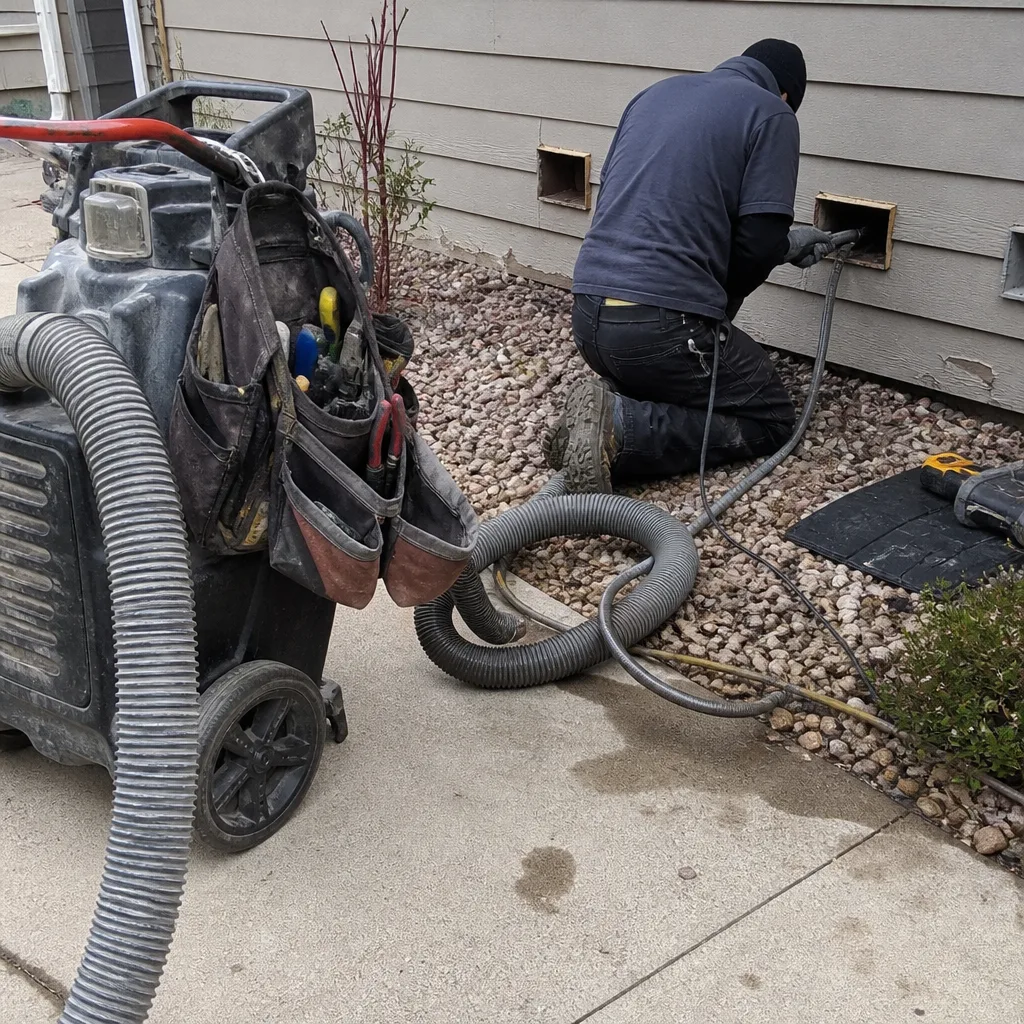 Before
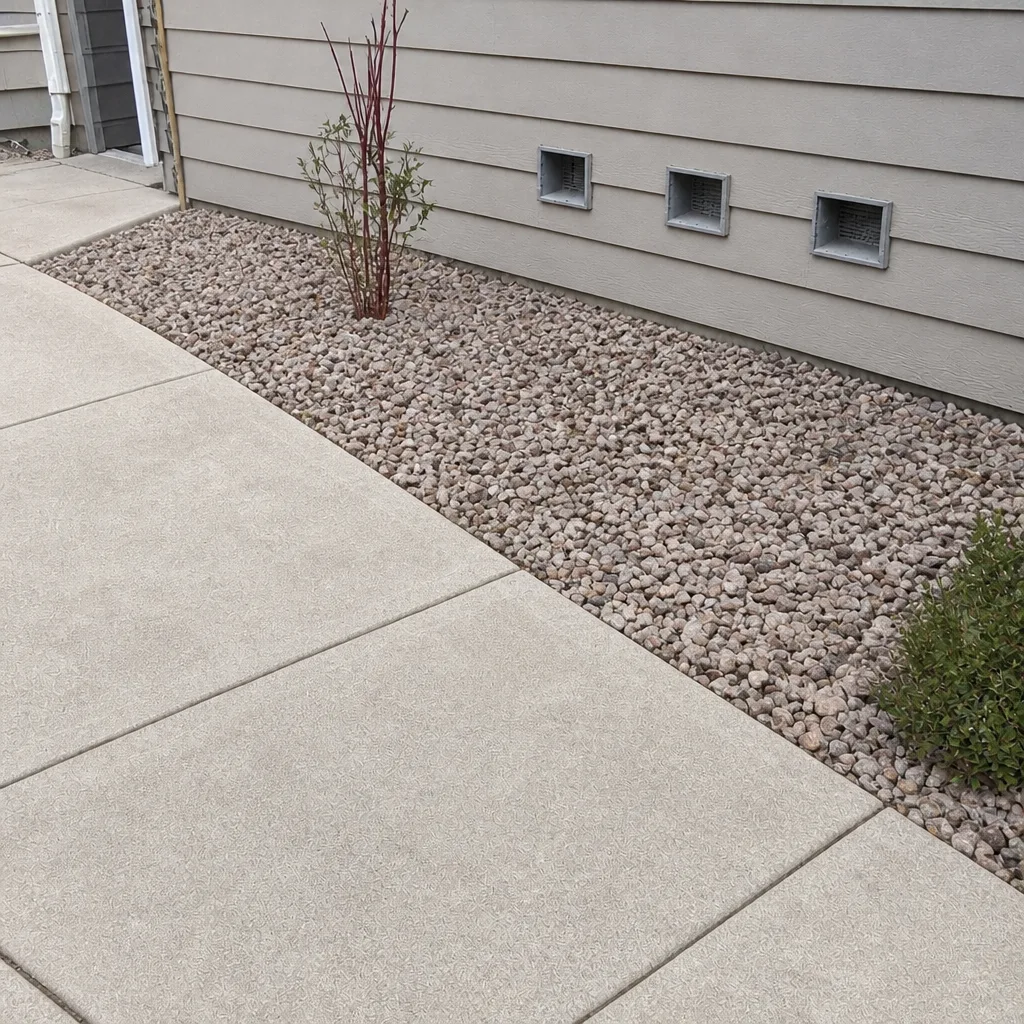 After
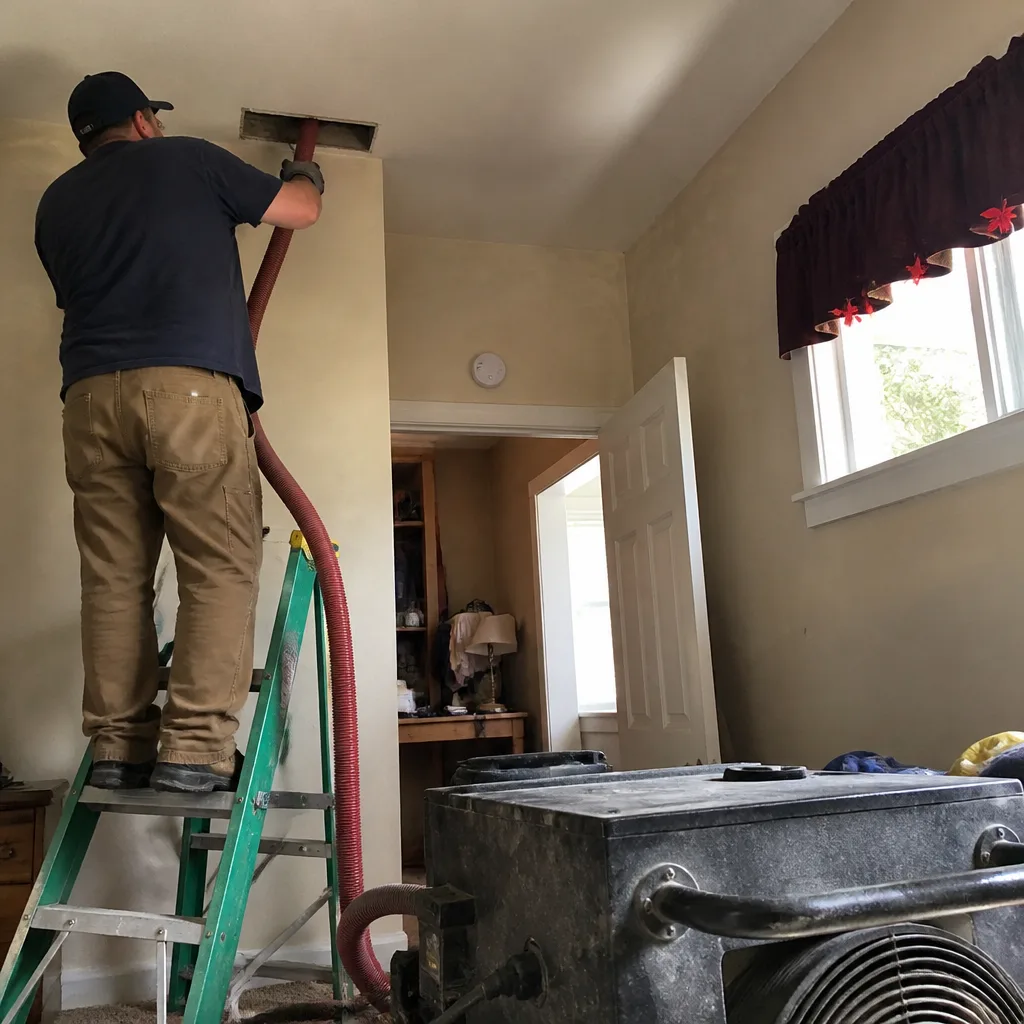 Before
 After
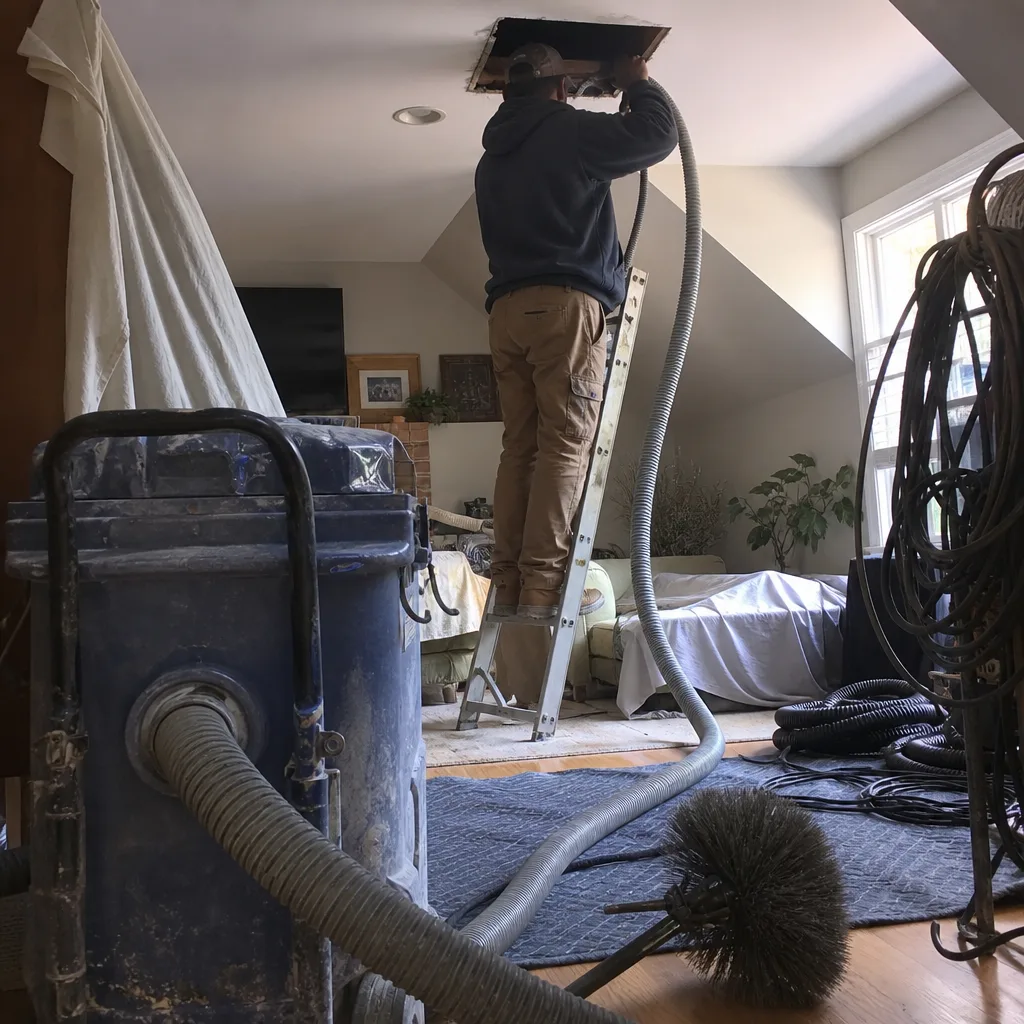 Before
 After
When to Call a Professional
Some of these signs are worth watching. Others need a call this week. If you smell a musty or oily odor when the heat first comes on, if a fresh filter doesn’t stop new dust on the registers within a few days, if a room has been cold for months no matter what you’ve tried, if allergy symptoms flare specifically when the HVAC runs, or if the dryer is taking two cycles to finish a load – those are the situations where a professional inspection pays for itself. The safety case is the strongest: oily residue near supply registers in a home with a gas appliance should be checked by a licensed HVAC technician before any duct work is scheduled. Boulder Air Duct Cleaning Pros offers free estimates in Boulder – call (833) 554-4046. We answer 24/7, with fast dispatch from 7am to 7pm, Sunday through Friday.
Frequently Asked Questions
Most Boulder homes do well with a proper cleaning every three to five years, but the interval should follow signs rather than a calendar. If your home is near the foothills and goes through wildfire smoke seasons, if you have pets or recent renovation, or if you’ve already seen a musty smell tied to the heat cycle, that interval shortens. Seeing any of the warning signs in this guide counts more than the number of years since the last cleaning. Call (833) 554-4046 for an exact quote – estimates are free.
Musty or earthy means microbial growth, usually in the plenum or on the evaporator coil, and it tends to be strongest through the whole system when the air handler runs. Dead animal odor is sharper, sourer, and often localized to one room or one duct run. The responses are different: microbial growth calls for cleaning and sanitizing, while an animal issue calls for locating the entry point first. Call (833) 554-4046 – estimates are free and the technician can tell you which one you’re dealing with.
Not every home does, but any home that saw gray film on fresh registers, a lingering smoke smell indoors on clear days, or visible ash in the return grille should have the system inspected. Fine smoke particulate bypasses standard filters and settles in the duct lining, and the only real proof of contamination is an interior inspection. If you’re not sure, an estimate is the cheapest way to find out. Call (833) 554-4046.
Cheap quotes usually skip parts of the system – typically the trunk line, the coil, or containment. Some are per-vent prices that translate to a much larger number once the technician sees the system. The honest approach is a flat price for the whole system, agreed before work starts, based on an actual inspection. Ask for the scope in writing and how photographs will be provided before you agree to anything. Call (833) 554-4046 for a free estimate with a clear scope.
You should see before-and-after photos of your own ducts, taken inside the system, not stock images. A properly equipped technician uses HEPA-filtered equipment with containment, and the difference is visible: clean duct interiors, no loose debris, and a written summary of what was found and what was done. If a company can’t provide interior photos, that’s the answer. Call (833) 554-4046 to schedule an inspection with photos included.
Buildup rarely causes large temperature differences on its own. Leakage is the more common cause in a split-level home, where short supply runs with several joints leak air into the interstitial space. Cleaning fixes contamination; sealing fixes the temperature swing. Many Boulder homes need both, and a proper inspection will tell you which is the driver. Call (833) 554-4046 for a free estimate – estimates are free.
The Bottom Line
Most duct problems announce themselves long before visible dust shows up. A musty smell tied to the heat cycle, a single cold room in a split-level, a sticky dark residue on supply registers, allergy symptoms that track HVAC runtime rather than outdoor pollen, and a gray film that returns after a fresh filter following a wildfire – each is a specific signal of a specific failure mode. Reading them correctly is what saves a Boulder homeowner from cleaning twice and never solving the actual problem. When in doubt, get an inspection with interior photos and a clear scope. Call (833) 554-4046. We answer 24/7, with fast dispatch from 7am to 7pm, Sunday through Friday.
If you’re ready to have the system looked at properly, Boulder Air Duct Cleaning Pros brings professional-grade Rotobrush and Nikro equipment, Abatement Technologies containment, and Guardsman-grade surface protection to every visit. We clean it, seal it, and connect the results to long-term air quality with Honeywell and Aprilaire products when that’s the right next step. One company for the entire air system, from the ducts to the air you breathe. Call (833) 554-4046 for a free estimate.
Written by the team at Boulder Air Duct Cleaning Pros.