
Last updated November 23, 2026
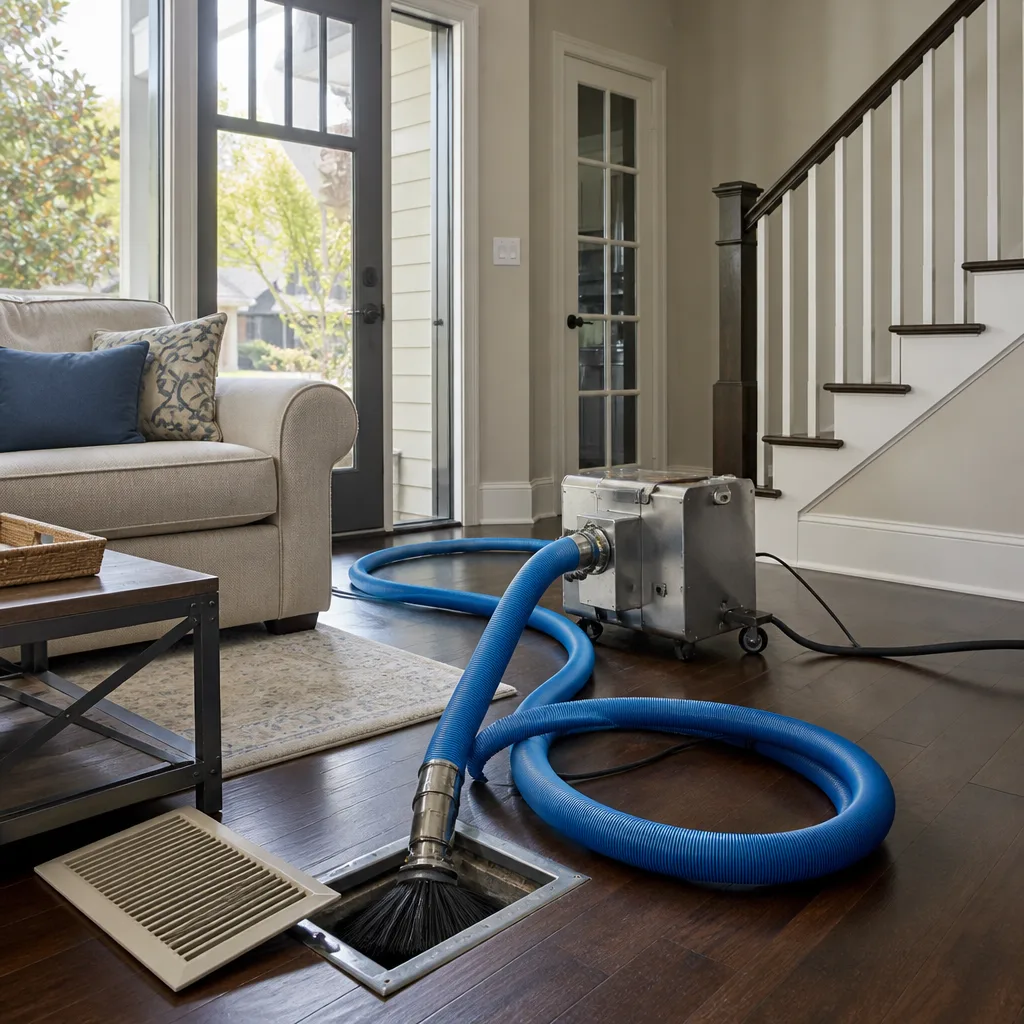 Whole-home duct cleaning
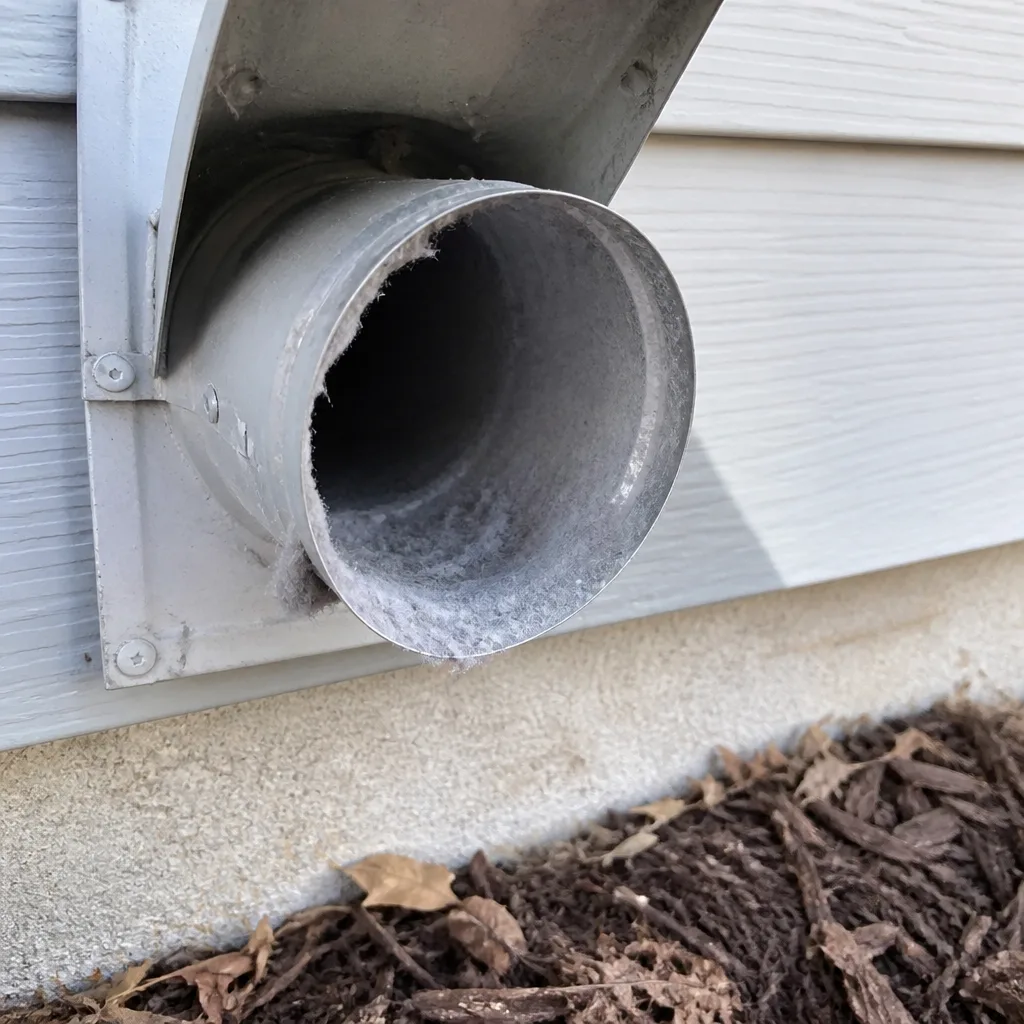 Dryer vent cleaning
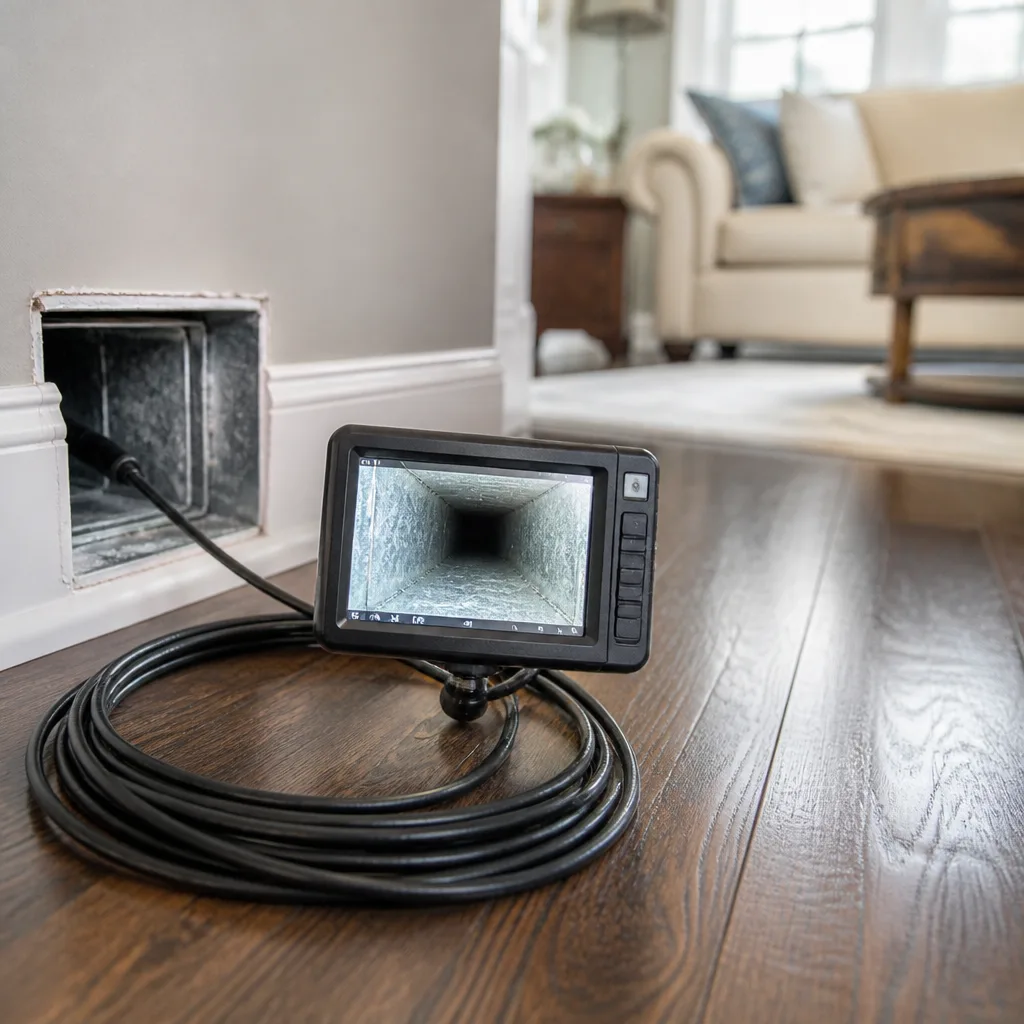 Camera inspection
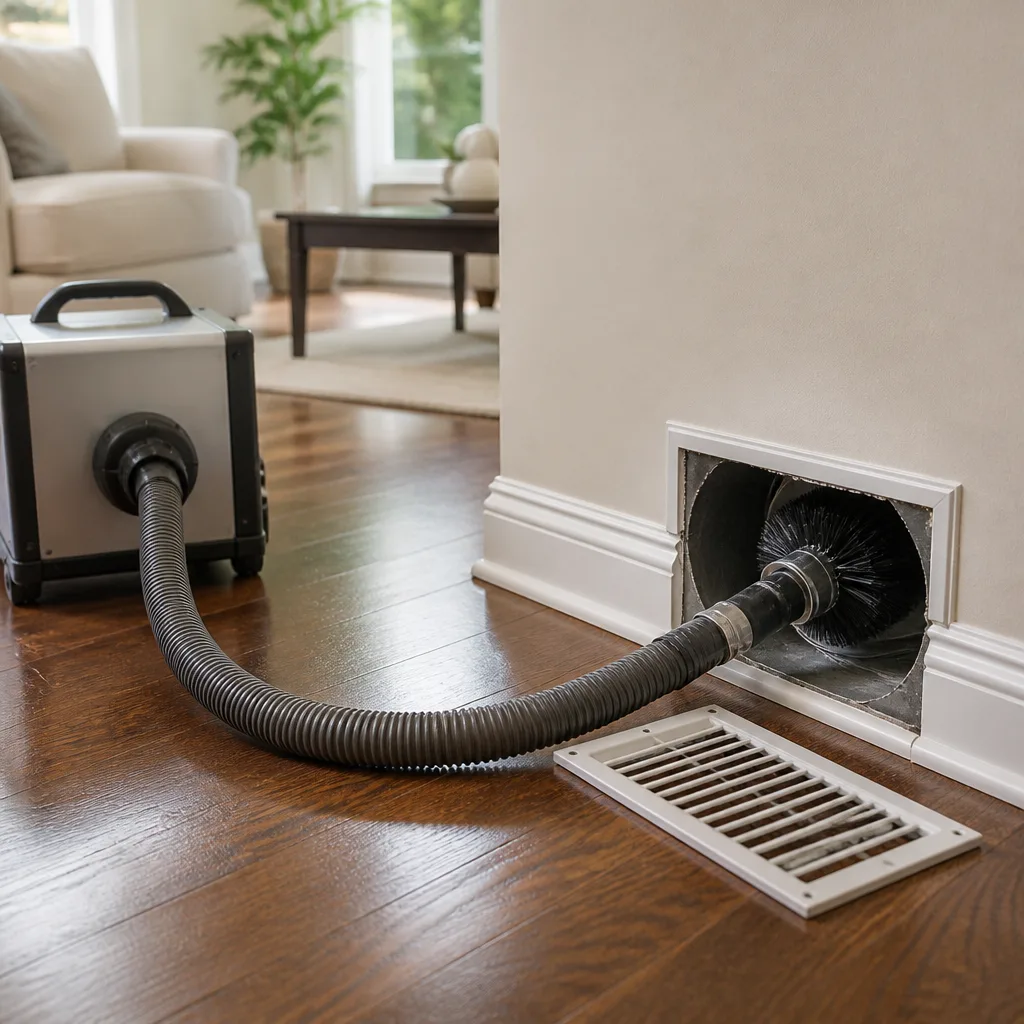 Sanitizing & deodorizing
Whole-system duct and dryer vent check with before-and-after photos - you see exactly what came out of your vents
That "$99 whole-house special" is a bait ad - the real number appears once they are in your hallway, or the "clean" is a shop-vac at the register. We photograph the inside of your ducts before and after instead.
The Complete Guide to Air Duct Cleaning in Boulder
Most people assume duct cleaning is a spring cleaning chore, something you get to when the house feels stale. Here’s the counterintuitive part: in Boulder, the reason to think about your ducts has less to do with dust you can see and more to do with how long that dust hangs in the air before it settles. Boulder sits at 5,430 feet. Lower air pressure up here changes how particles behave indoors, and combined with our semi-arid climate and wildfire smoke seasons, it produces contamination patterns that don’t match the generic advice you’ll read online. This guide explains what actually happens inside Boulder duct systems, what a real cleaning involves, and how to tell the difference between source removal and a quick blow-through. You’ll finish knowing what to ask, what to expect, and when it’s worth picking up the phone.
Quick Answer
Air duct cleaning in Boulder means removing accumulated dust, debris, and smoke residue from the entire duct system, not just the visible grilles, using professional-grade vacuum and agitation equipment. A proper job covers supply and return ducts, registers, the air handler, and the evaporator coil. In Boulder specifically, altitude, dry air, and wildfire smoke seasons mean ducts load up differently than the national average, so inspection should come before any cleaning quote.
Styles & brands we work with
- Whole-home duct cleaning
- Dryer vent cleaning
- Camera inspection
- Sanitizing & deodorizing
Table of Contents
- How Boulder’s Altitude and Dry Climate Change Duct Contamination
- Wildfire Smoke Season and Ultrafine Particles in Your Ducts
- Older Ranch Homes and Original Flex Duct: What to Check First
- Source Removal vs. Blow-and-Go: The Method Matters
- What a Full-System Cleaning Covers
- Duct Repair and Sealing: Fixing the Root Cause
- What Air Duct Cleaning Costs in Boulder
- What You Can Check Yourself Before Calling Anyone
How Boulder’s Altitude and Dry Climate Change Duct Contamination
Air at 5,430 feet is thinner than air at sea level, and thinner air changes how particles move. Fine dust and smoke residue stay suspended longer indoors before gravity pulls them down. That means the dust your HVAC system pulls in circulates through your living space multiple times before it ever lands in a duct or on a shelf, and the fraction that does settle tends to be finer and more evenly distributed than you’d expect in a humid, low-altitude city.
Layer onto that Boulder’s semi-arid climate. Relative humidity here swings low for most of the year, and dry air means dust doesn’t clump. It stays powdery and mobile. In a humid climate, dust cakes into visible mats on return grilles and duct walls. In Boulder, contamination often builds as a fine, light coating that homeowners don’t notice until airflow drops or allergy symptoms pick up. We’ve seen return plenums in Boulder homes that look nearly clean at a glance but release a visible cloud the moment airflow disturbs them.
What this means in practice:
- Contamination accumulates faster than national benchmarks suggest because fine particles recirculate before settling.
- Visual inspection is unreliable. A grille that looks fine can hide a heavily loaded return trunk.
- Dry air preserves contamination. Dust that would compact and stay put in a damp climate stays loose and re-entrainable here.
- Filter performance matters more. A high-MERV filter earns its cost in Boulder air.
The practical takeaway: if you’ve been told “it doesn’t look that bad,” get a second look with equipment that can actually see inside the system.
Wildfire Smoke Season and Ultrafine Particles in Your Ducts
Every summer, Red Flag Warnings roll across the Front Range, and smoke drifts in from fires west and north of Boulder. Homeowners close the windows, run the HVAC, and assume the filter handles it. Here’s what actually happens: standard filters capture larger smoke particles but let ultrafine particulates through. Those ultrafines are small enough to coat duct walls and the evaporator coil with a sticky, nearly invisible film. Once it’s there, the system redistributes a little of it every time the fan runs.
Ultrafine smoke residue doesn’t behave like household dust. It tends to:
- Cling to surfaces rather than settle on the duct floor, because particle surfaces are more reactive.
- Collect on the evaporator coil, where condensation turns it into a film that reduces heat transfer and can develop odor.
- Resist a standard vacuum pass. Gentle agitation is needed to dislodge it from duct walls.
- Carry odor. A faint smoke smell when the system kicks on is often a duct-and-coil issue, not an outdoor air issue.
This is why we use Abatement Technologies containment and negative-air equipment during service visits in homes that have been through heavy smoke seasons. Negative air pressure keeps disturbed particulate from drifting into living spaces while the work is happening, and it’s the same standard applied in remediation work. Most duct cleaners skip this step. In Boulder smoke country, skipping it means you’re just moving ultrafines around.
Older Ranch Homes and Original Flex Duct: What to Check First
Boulder has a large inventory of ranches and split-levels built between the 1960s and 1980s, many still running the original flex duct installed when the home was new. Flex duct was a reasonable product when new. Forty to sixty years later, it’s often a liability, and it’s the first thing a competent technician should inspect before quoting any cleaning work.
The specific problems we look for:
- Duct liner failure. The inner plastic liner of older flex duct can tear, peel, and collapse. Cleaning a failing liner makes it worse.
- Compressed runs. Decades of settling, sagging, and rerouted plumbing can crush flex runs down to a sliver of their original diameter. Airflow suffers, and no amount of cleaning fixes crushed duct.
- Disconnected joints. Flex duct is typically held together with zip ties and tape. Those fail. A disconnected joint dumps conditioned air into a crawlspace or attic instead of your rooms.
- Unsealed penetrations. Where ducts pass through unconditioned space, unsealed gaps pull dust and outside air in.
- Ductboard deterioration. Some ranch-era systems use rigid ductboard with exposed interior fibers that can shed over time.
In a home like this, the right sequence is inspect, then decide: clean, repair, or replace. Cleaning a duct system with failed liner is wasted money because the liner keeps shedding. If you’ve noticed reduced airflow in one room, a whistling register, or a crawlspace smell that comes through the vents, the ducts are the first place to look, not the last.
Source Removal vs. Blow-and-Go: The Method Matters
There are two broad categories of duct cleaning in the market, and the difference is the entire ballgame. Source removal is the method that physically dislodges, agitates, and extracts contamination from the surfaces of the duct system while holding the system under negative pressure. Blow-and-go is a quick pass with a brush or air whip and a small vacuum, with no meaningful containment. One actually cleans the system. The other redistributes the mess and gets you out the door fast.
Here’s what source removal looks like step by step:
- Containment. We set up negative-air containment using Abatement Technologies equipment so disturbance stays inside the system.
- High-powered vacuum. A Rotobrush or Nikro professional-grade system with HEPA filtration connects to the duct system to hold the whole run under suction while work happens. This is purpose-built duct equipment, not a modified shop vacuum.
- Agitation. Rotary brushes and air whips run through each branch line to knock contamination off the walls.
- Extraction. Dislodged debris moves to the vacuum while it’s still airborne, before it can resettle.
- Verification. We photograph before-and-after so the homeowner sees what actually changed inside their own ducts.
Blow-and-go skips containment, skips the truck-mounted or high-powered extraction, and often skips agitation altogether. What it produces is a clean-looking grille and a duct system full of freshly airborne dust you’ll be breathing for weeks. In a high-altitude, smoke-exposed market like Boulder, that difference matters more than it does at sea level.
What a Full-System Cleaning Covers
Ducts are one part of a system. Cleaning them without cleaning the rest is like changing the air filter and ignoring the oil. A full-system approach covers every component that touches your indoor air. Here’s what a proper visit should include:
- Supply and return ducts. Every accessible branch and trunk line, agitated and extracted.
- Registers and grilles. Removed, cleaned, and reinstalled. Plenty of “cleaning” jobs never take them off.
- The air handler. The blower compartment often carries more dust than the ducts themselves.
- The evaporator coil. A film on the coil kills efficiency and holds odor. Cleaning here restores heat transfer.
- Trunk lines and plenum. The largest-volume parts of the system, and the ones most often skipped in quick jobs.
- The drain pan and drain line. Standing moisture plus dust is a microbial problem waiting to happen.
We also handle HVAC cleaning as a separate service line, because some homes need a deeper pass on the mechanical components than a standard duct job covers. And when air quality is the real priority, we install Honeywell and Aprilaire products alongside the cleaning, so the system filters and humidifies better going forward instead of returning to its old baseline. One provider, one relationship, one system viewed as a whole. That’s the model we work from.
Duct Repair and Sealing: Fixing the Root Cause
Cleaning dirty ducts solves the symptom. Loose joints, disconnected runs, failed tape, and unsealed penetrations are the cause, and they’ll recontaminate the system. We offer air duct cleaning and duct sealing as connected services for this reason: the two are inseparable in older Boulder homes.
Sealing typically involves:
- Reconnecting and mechanically fastening loose flex or sheet-metal joints.
- Sealing seams with mastic or rated foil tape (not generic duct tape, which fails within a few seasons).
- Closing penetrations where ducts pass through unconditioned spaces.
- Verifying static pressure before and after to confirm the system actually improved.
An added benefit: sealed ducts mean less conditioned air leaking into attics and crawlspaces. That’s a real comfort improvement in a climate where temperature swings are wide, and it also reduces how much outside dust and smoke get pulled into the system on the return side.
What Air Duct Cleaning Costs in Boulder
Pricing in the Boulder market reflects the amount of labor a proper source-removal job takes, not the number of vents. Whole-system jobs are estimates, and the written estimate sets the final price. Here are typical ranges for common scopes:
| Scope | Typical Estimated Range |
|---|---|
| Standard duct cleaning (typical single-family home) | $350 – $650 |
| Larger home or multiple systems | $600 – $1,200 |
| Dryer vent cleaning | $125 – $250 |
| Duct repair and sealing | $400 – $1,500+ (scope-dependent) |
| Air quality and sanitizing add-on | $150 – $450 |
Those numbers reflect the local labor market and what proper containment and agitation equipment cost to run. If a quote in Boulder comes in far below the low end of these ranges, the honest question to ask is what’s being skipped: containment, agitation, the coil, the return trunk, or all of the above. Call (833) 554-4046 for an exact quote on your home. Estimates are free, and we set one flat price per system before any work starts.
What You Can Check Yourself Before Calling Anyone
You don’t need to clean your own ducts, and you shouldn’t try to reach into the system with improvised tools. But you can gather useful information. Here’s a simple pre-call checklist for a Boulder home:
- Look at the return grille. A visible dust mat suggests heavy loading further in.
- Check the filter. If it’s loaded within a month of replacement, dust is entering or being generated in the system.
- Walk the rooms. One room with weak airflow points to a disconnected or crushed branch run.
- Sniff the vents. A musty or smoky odor when the fan starts indicates the coil or duct walls.
- Note any visible sagging flex duct in the basement or crawlspace.
- Check your dryer vent for lint accumulation at the exterior hood (a fire-safety item, not just an airflow one).
Once you have those answers, the call is much more productive. We can give a realistic scope and estimate instead of guessing.
Common Mistakes to Avoid
- Hiring on price alone. A quote far under the Boulder market usually means no containment and no agitation. You end up paying twice.
- Skipping the coil and air handler. Cleaning ducts without cleaning the components that distribute the air leaves the biggest contamination source in place.
- Cleaning before inspecting older flex duct. If the liner is failing, cleaning accelerates the problem. Inspect first, then decide.
- Accepting “no photos needed.” Ask for before-and-after photos of your own ducts. A reputable provider will supply them without hesitation.
- Ignoring the dryer vent for years. A clogged dryer vent is a fire risk. Lint buildup is a maintenance item with a safety consequence, not just an efficiency one.
- Assuming the filter is enough. Filters capture what passes through them. They don’t remove what’s already adhered to duct walls.
- Skipping sealing after cleaning. Uncleaned ducts with loose joints will recontaminate within a season or two. Clean and seal as one job when the system allows it.
See the difference
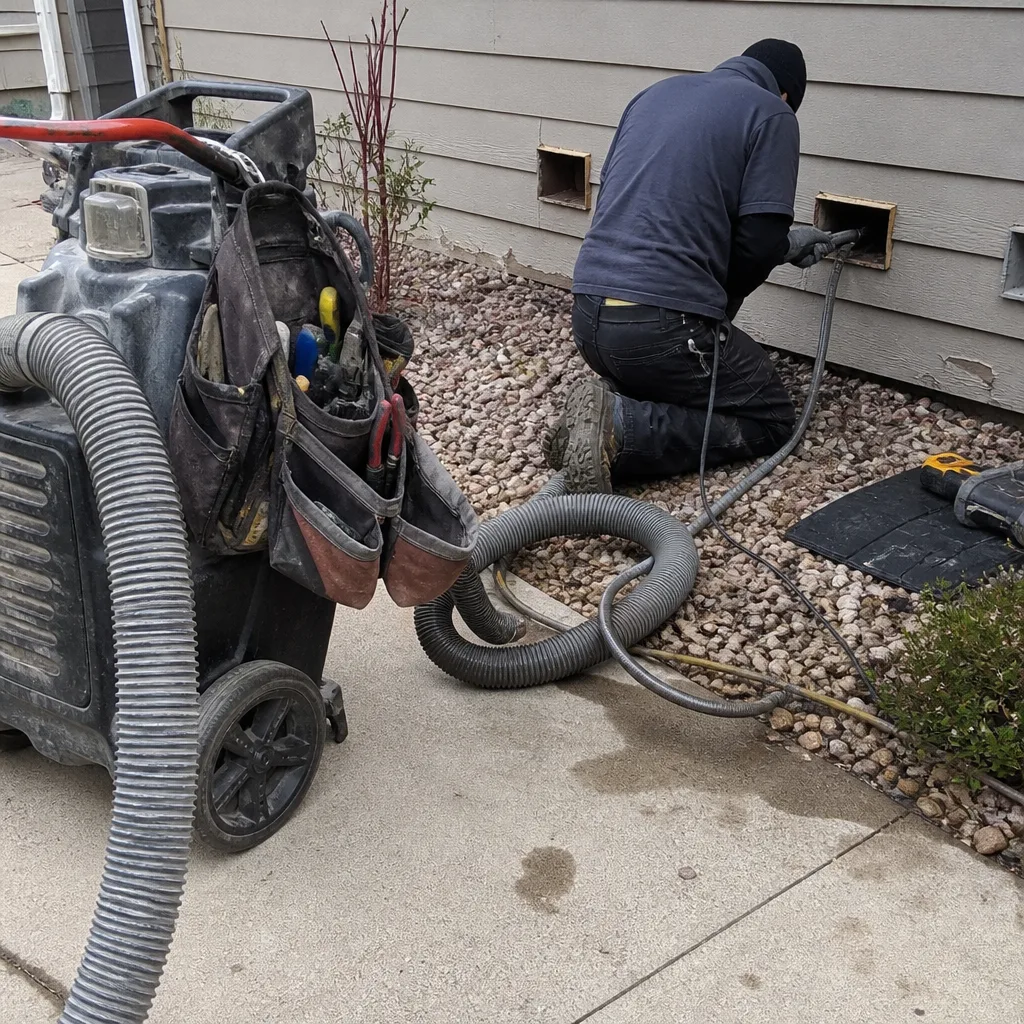 Before
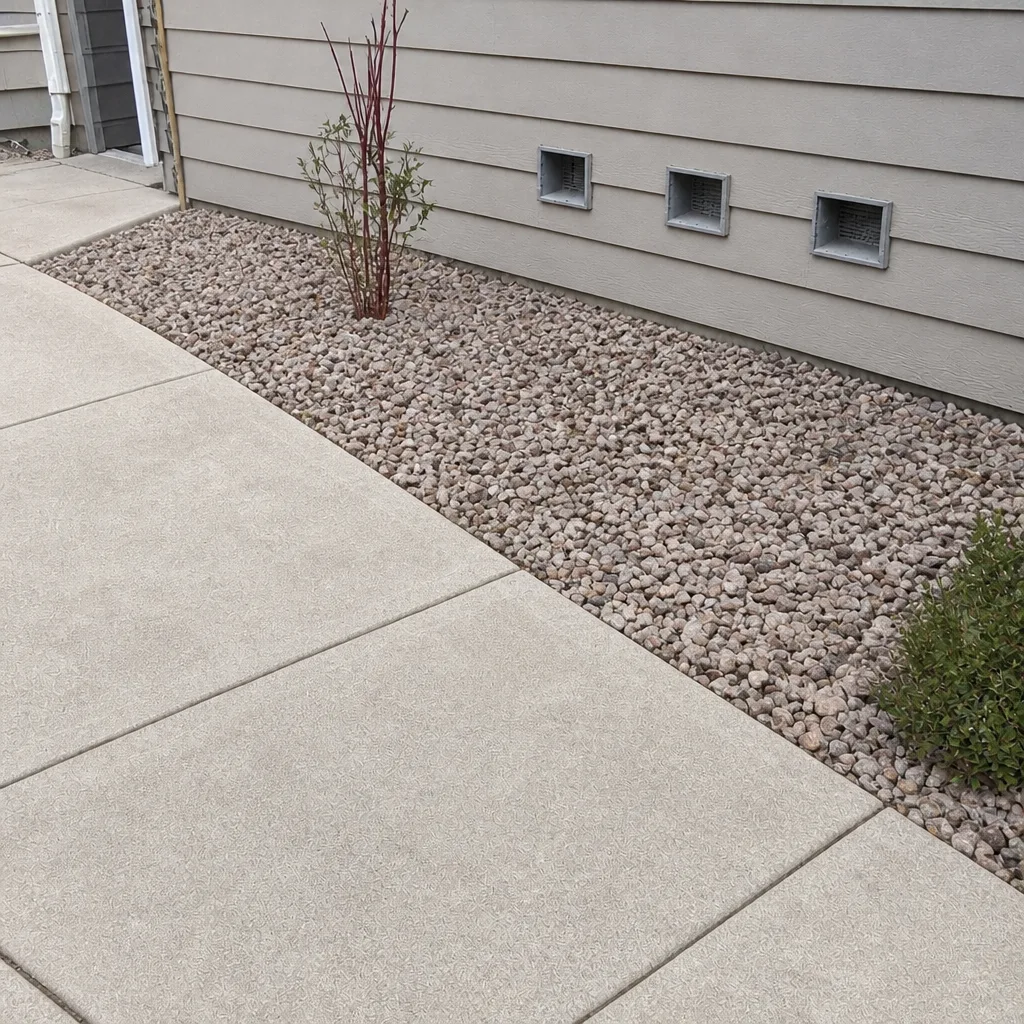 After
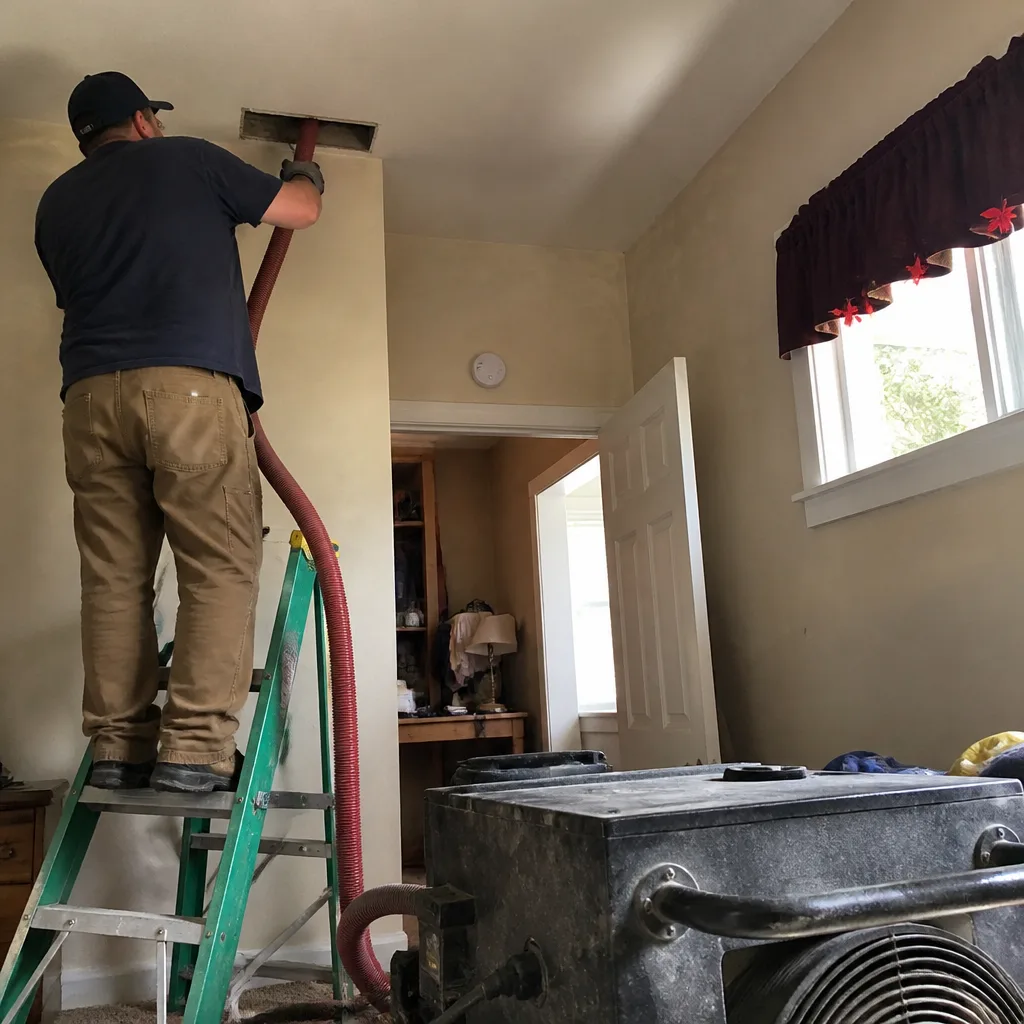 Before
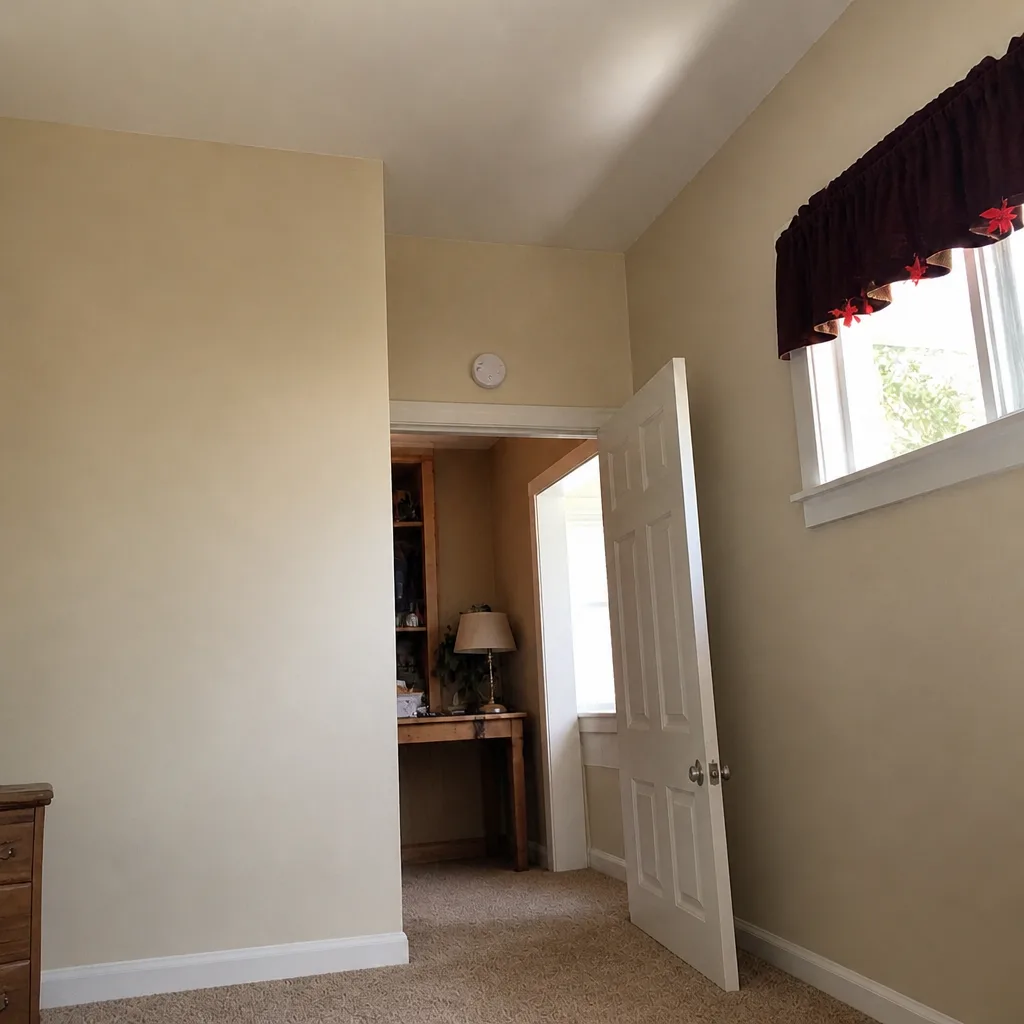 After
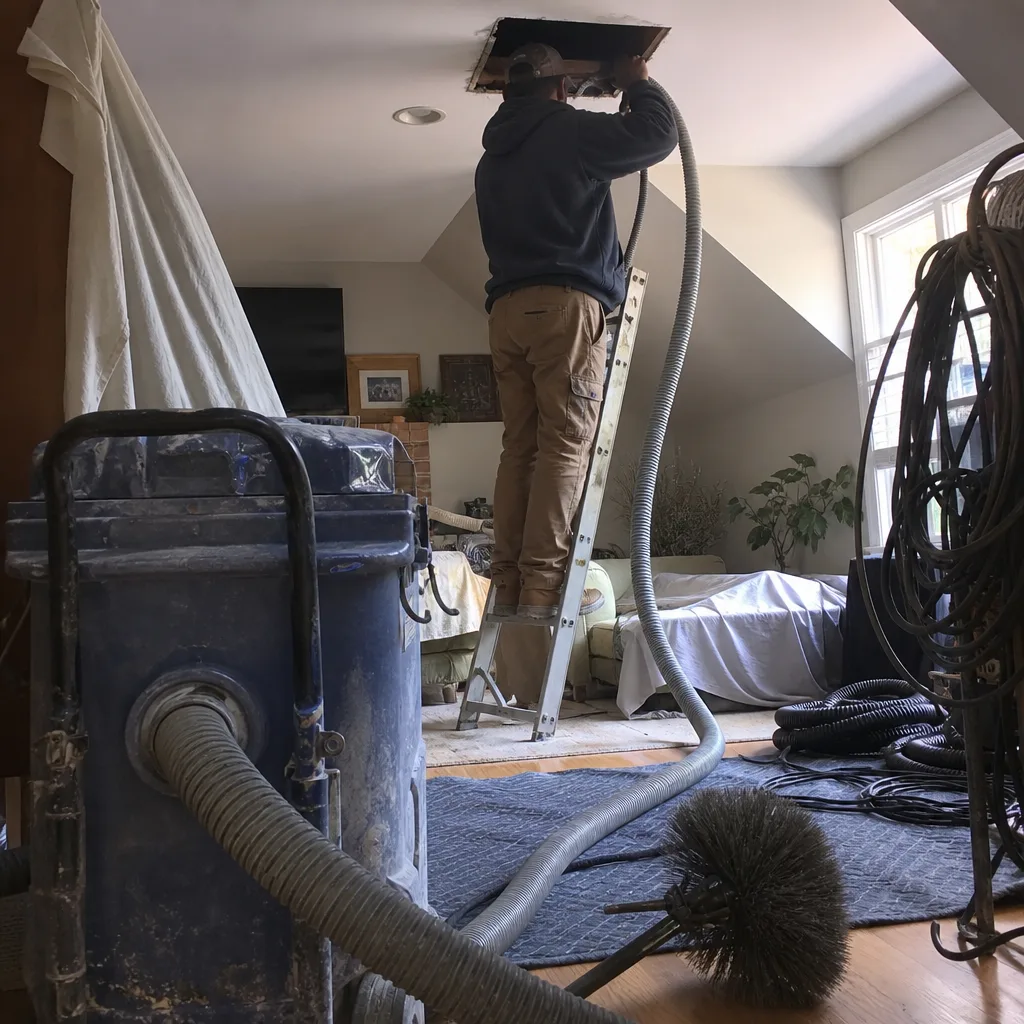 Before
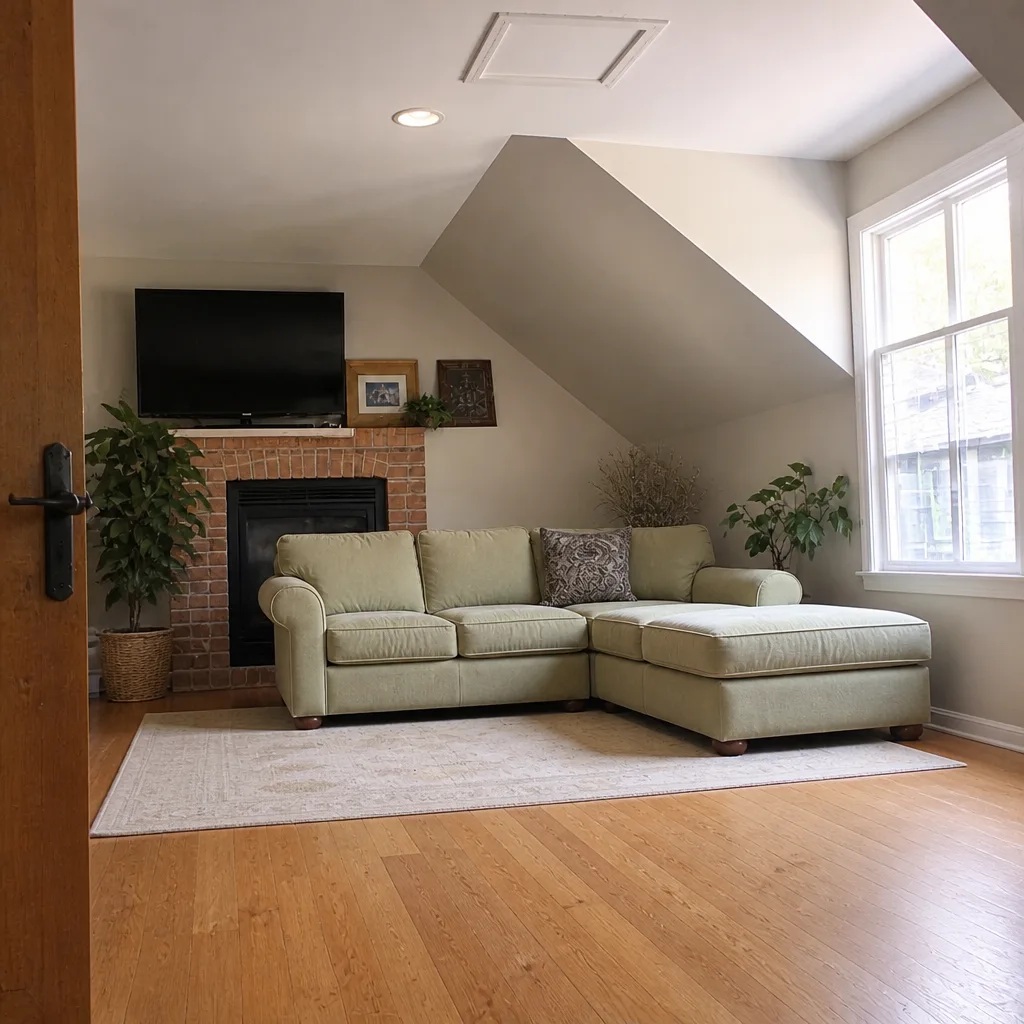 After
When to Call a Professional
You should call a professional when the visual signs and symptom pattern point to a system problem you can’t diagnose from outside. Specific cases where a call makes sense: visible dust mats or dark staining around return grilles; unexplained allergy flare-ups that ease when you leave the house; reduced airflow in specific rooms; a musty or smoky odor every time the HVAC kicks on; a dryer that takes noticeably longer to dry laundry; a home in Boulder built in the 1960s to 1980s with original flex duct and no service history; or an insurance or real-estate inspection flagging the ducts. These aren’t cases for a shop vacuum and a Saturday afternoon. Boulder Air Duct Cleaning Pros offers free estimates in Boulder – call (833) 554-4046.
Frequently Asked Questions
Most Boulder homes need a professional cleaning every three to five years, but altitude, wildfire seasons, and older duct systems can shorten that to every two to three years. Homes with pets, recent renovation dust, or a history of smoke exposure during Red Flag seasons tend to need it sooner. If you’ve lived through two heavy smoke summers without service, it’s worth an inspection. Call (833) 554-4046 for an exact quote – estimates are free.
Typical all-in duct cleaning in Boulder runs $350 to $650 for a standard single-family home, more for larger homes or multiple systems. Duct sealing and repair are quoted separately because they depend on how much of the system needs mechanical work. We set one flat price per system before work starts, with no per-vent pricing. Call (833) 554-4046 for an exact quote – estimates are free.
Cheaper quotes usually skip containment, skip or shorten agitation, and clean the visible ducts only, leaving the coil, air handler, and return trunk untouched. The result is a clean-looking grille and a duct system that gets recontaminated within months. In Boulder, where smoke exposure compounds the problem, this shortcut is the difference between addressing the root cause and covering it up. Call (833) 554-4046 for an exact quote – estimates are free.
Ask for before-and-after photos of your own ducts. A proper job with Rotobrush or Nikro equipment should produce clear visual evidence from the return trunk and at least one branch line, plus confirmation that registers were removed and reinstalled. If a provider can’t show you interior images, they didn’t do source removal. Call (833) 554-4046 for an exact quote – estimates are free.
Yes, if your home was exposed to heavy smoke for more than a few days, especially with windows open or through unfiltered air intake during Red Flag Warnings. Ultrafine particulates coat duct walls and the coil in ways that a standard filter can’t prevent, and they can carry odor. Cleaning with containment and agitation is the way to remove them. Call (833) 554-4046 for an exact quote – estimates are free.
In many Boulder homes, yes. Cleaning and dryer vent cleaning and duct sealing can often be scoped together when a technician confirms there’s no failed liner or collapsed run that needs replacing first. The written estimate will confirm what can be done in one visit and what needs to be scheduled separately. Call (833) 554-4046 for an exact quote – estimates are free.
Duct cleaning removes physical contamination; air quality and sanitizing adds a treatment step that addresses remaining microbial load and odor, often paired with a Honeywell or Aprilaire filter or humidifier upgrade. It’s a separate service for a reason: not every home needs it, and it works best after source removal. Call (833) 554-4046 for a free estimate.
The Bottom Line
Air duct cleaning in Boulder isn’t a generic chore. High altitude keeps fine particulates airborne longer, dry air keeps contamination mobile, wildfire seasons deposit ultrafine smoke residue that standard cleaning misses, and 1960s-1980s ranch housing brings its own flex duct complications. A proper cleaning uses source removal with purpose-built equipment, containment, and a full-system scope that includes register, air handler, coil, and trunk lines. If you want to know what your system actually needs, that starts with inspection. One flat price per system, before-and-after photos, and estimates at no charge. Call (833) 554-4046. We answer 24/7. Fast dispatch from 7am to 7pm, Sunday through Friday.
Written by the team at Boulder Air Duct Cleaning Pros.