
Last updated November 23, 2026
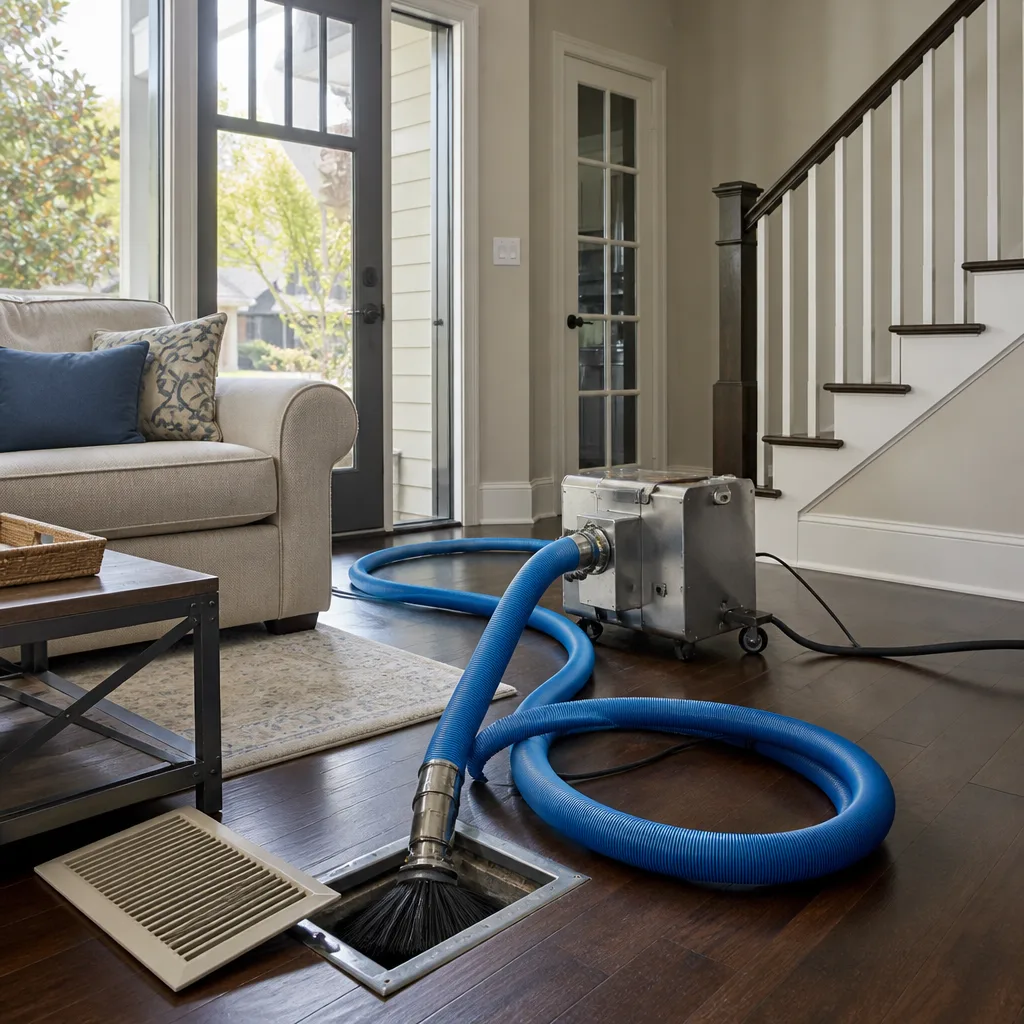 Whole-home duct cleaning
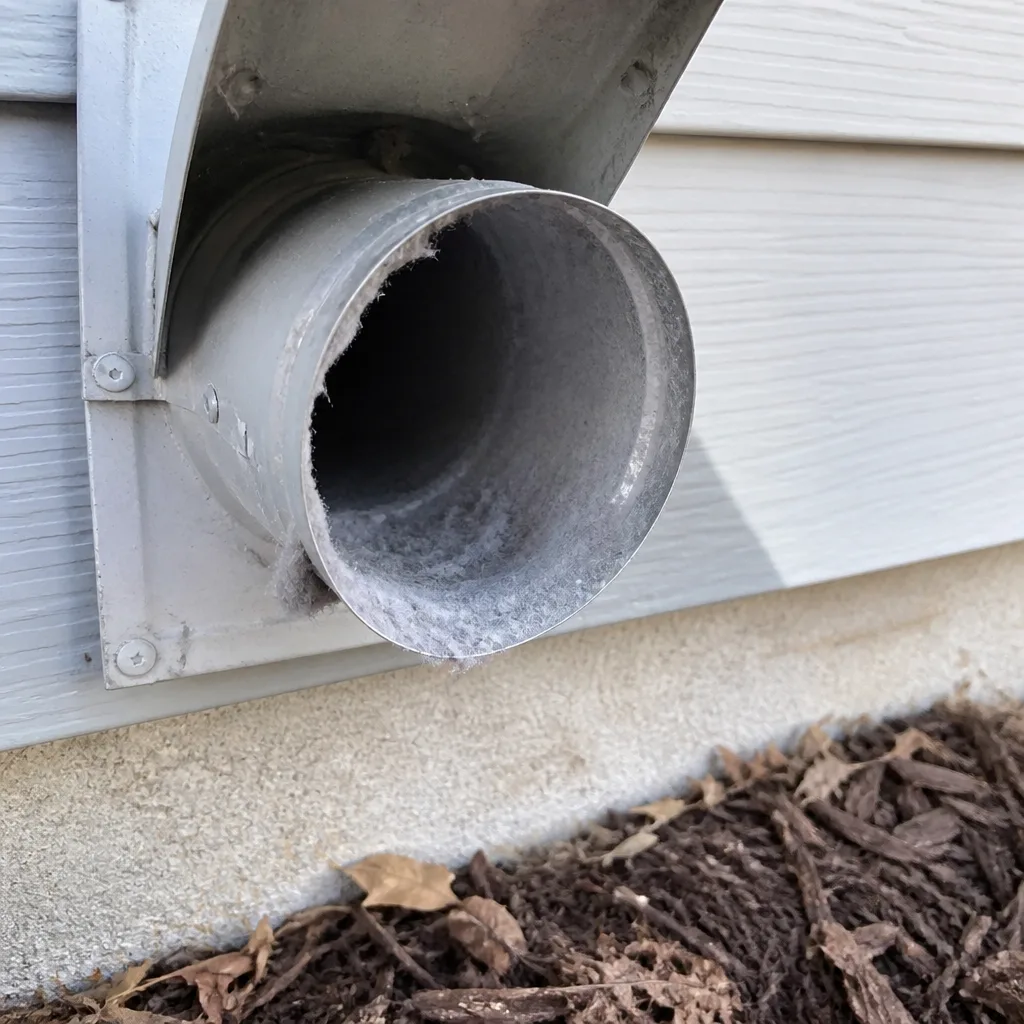 Dryer vent cleaning
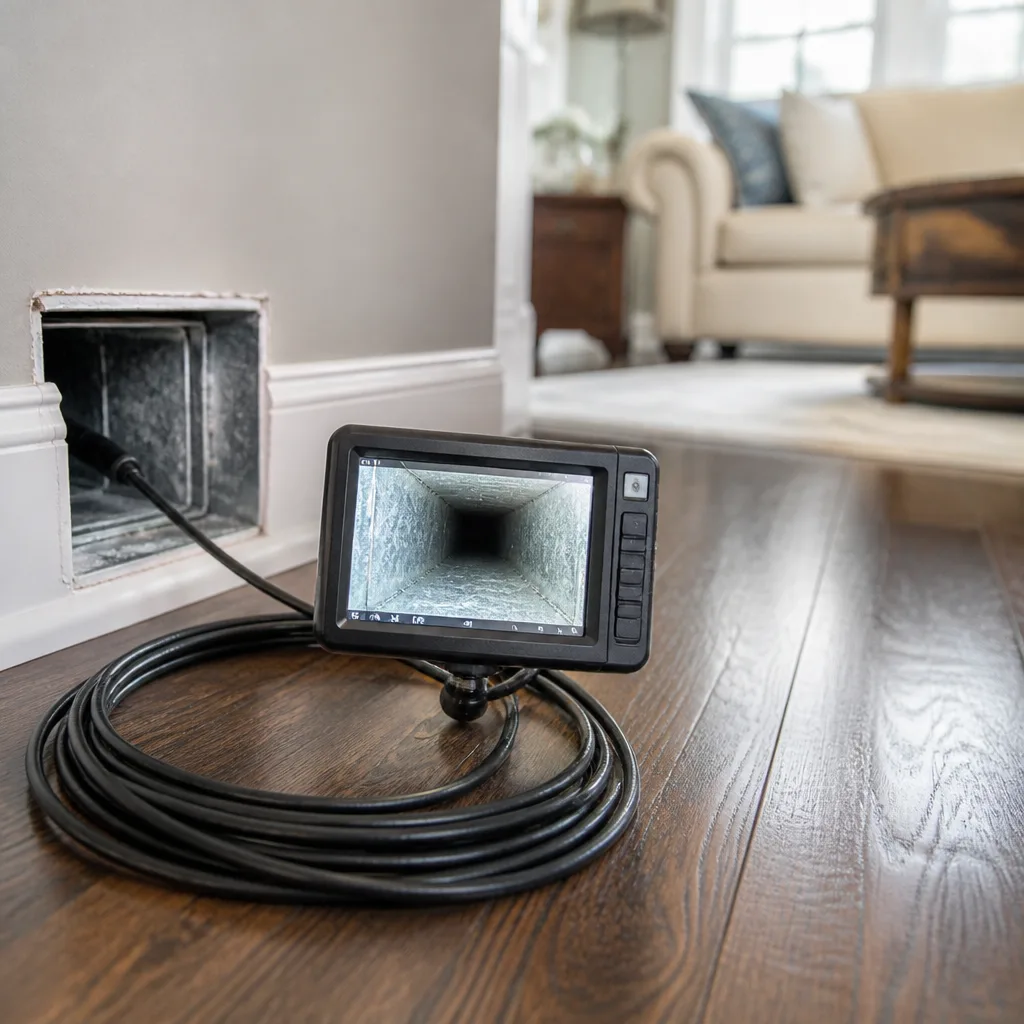 Camera inspection
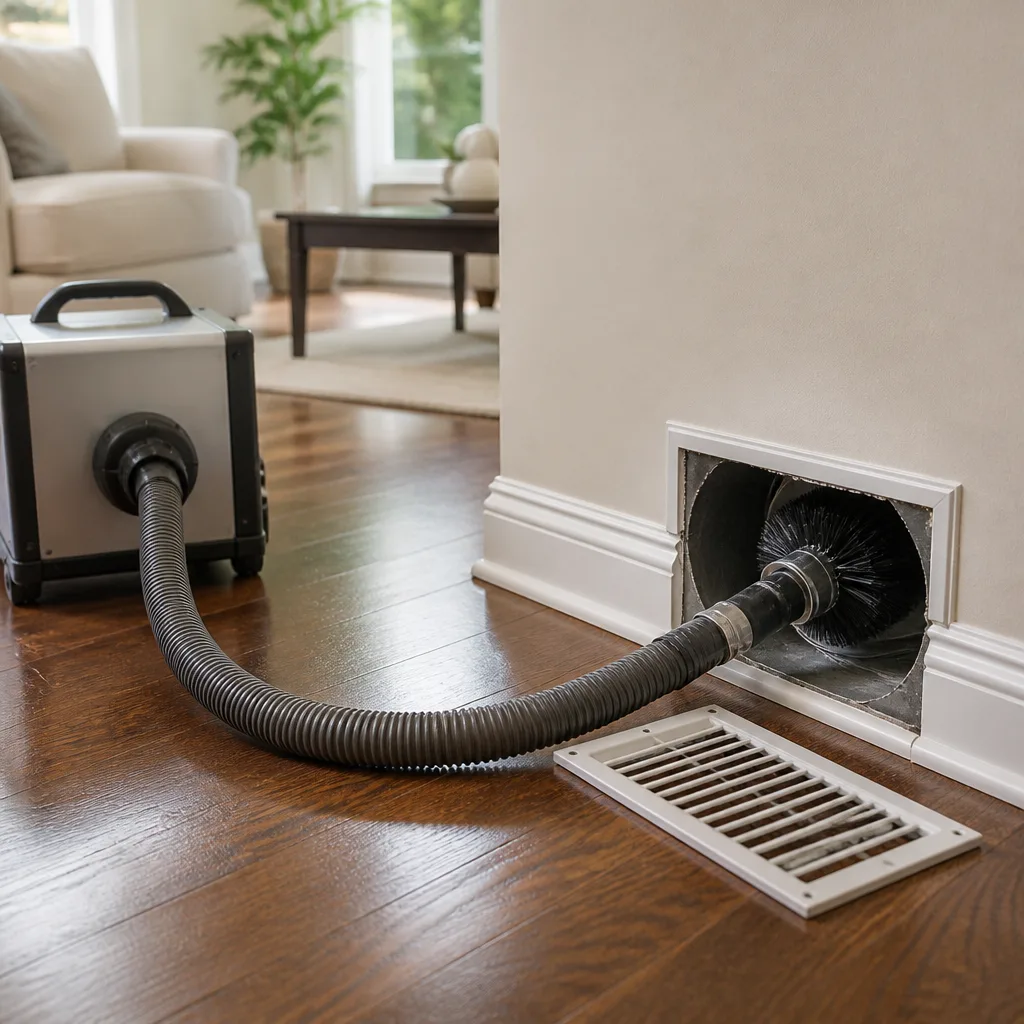 Sanitizing & deodorizing
Whole-system duct and dryer vent check with before-and-after photos - you see exactly what came out of your vents
That "$99 whole-house special" is a bait ad - the real number appears once they are in your hallway, or the "clean" is a shop-vac at the register. We photograph the inside of your ducts before and after instead.
Air Duct Cleaning Permits, Codes & Inspections in Boulder, CO: What You Need to Know
Here’s the part most homeowners miss: the cleaning itself needs no permit in Boulder, but the repair almost always does. The line between “maintenance” and “construction” in Colorado mechanical code is narrower than people assume, and it runs right through the middle of a typical duct job. A contractor who starts sealing a leaking trunk line or swapping a crushed flex run to solve a cleaning problem has crossed from maintenance into permit territory, often without saying so. In this guide we’ll walk through the Colorado Mechanical Code sections that apply, how Boulder County and the City of Boulder handle permits differently, when sealing needs a mechanical permit and when it doesn’t, and how to protect yourself before work starts and again at resale.
Quick Answer
Air duct cleaning does not require a permit in Boulder, CO, because removing debris from an existing duct system is classified as maintenance, not construction. A mechanical permit is generally required once the work changes the duct system itself: replacing or rerouting ducts, cutting new openings in the building envelope, or altering connections in a way that affects the system’s design. Sealing existing joints with mastic is usually treated as maintenance; sealing with a system that changes the duct’s rated performance can trigger review. The final call rests with the City of Boulder or Boulder County, depending on where the home sits.
Styles & brands we work with
- Whole-home duct cleaning
- Dryer vent cleaning
- Camera inspection
- Sanitizing & deodorizing
Table of Contents
- What the Colorado Mechanical Code Actually Covers for Duct Work
- City of Boulder vs. Boulder County: Who Issues the Permit?
- When Duct Sealing Needs a Permit (and When It Doesn’t)
- How to Separate Cleaning Scope from Repair Scope in Writing
- What a Duct-Related Inspection Actually Looks Like
- Unpermitted Duct Repairs at Resale in the Boulder Market
- Boulder’s Climate and Why Duct Integrity Matters Here
- Common Mistakes to Avoid
What the Colorado Mechanical Code Actually Covers for Duct Work
Colorado adopts a statewide mechanical code with local amendments, and that code draws a clear line between maintaining a system and altering one. This is where Boulder homeowners get surprised. The sections that matter most for duct work are the ones on duct construction, installation, and the scope of what counts as an alteration:
- Duct installation and replacement. New or replacement ductwork has to be installed per the code’s material and clearances standards, which is a permitted activity in essentially every jurisdiction.
- Structural or envelope penetrations. Cutting a new return-air opening in a wall or ceiling, or a new supply run through conditioned space, changes the system’s layout and generally requires review.
- Connections that affect system design. Reconfiguring a trunk line, adding a branch, or relocating a register alters how the system was engineered and generally falls into permitted scope.
- Maintenance and cleaning. Removing debris and contamination from a duct system that’s already installed does not alter the system, so it doesn’t fall under mechanical code as construction.
The practical upshot: cleaning in a Boulder home is inspection-free by code. Repair is not. The code also ties into the broader rules on how the system must continue to perform, which is why any alteration that affects airflow or the building envelope is watched more closely than a straight clean-out.
Our technicians have up to 13 years of experience with this split, and we’ve seen how the ambiguity shows up in practice. When a contractor proposes air duct cleaning and then recommends a fix on the same visit, that fix is what needs a permit, not the cleaning. Keeping the two conversations separate, on paper, is the whole game.
City of Boulder vs. Boulder County: Who Issues the Permit?
Boulder is one of those funny places where the answer depends on which side of a line your house sits. The City of Boulder and Boulder County run separate building departments, and where a duct permit goes depends on jurisdiction, not on the contractor’s preference. A home in central Boulder, in the University Hill or Chautauqua neighborhoods, or in Mapleton falls under the City. A home in unincorporated areas west toward the foothills, or in the surrounding rural parcels, may fall under the County. Some addresses near the edges of town sit in one jurisdiction for building and the other for other services, which catches people off guard.
Here’s how we advise homeowners to sort it out before a duct repair is proposed:
- Confirm the address’s jurisdiction. A quick call to the City of Boulder or Boulder County building department settles it. Ask which mechanical code edition is adopted and whether the work requires a permit.
- Ask what the proposed work includes. If the contractor says “we’ll just replace that section of flex,” that’s replacement, not cleaning, and it’s the part that needs review.
- Get it in writing. For permitted work, ask for the permit number once it’s issued. For unpermitted maintenance, ask for a written scope that says so.
- Ask who pulls it. Typically the licensed contractor pulls the mechanical permit, and it should be in their name, not yours.
The City and County differ in their review timelines and how they handle minor vs. major alterations, but both draw the same line: cleaning is not their business, repairs are. If a contractor tells you “nobody pulls a permit for this” without knowing whether you’re in the City or the County, that’s a signal to double-check. We work both jurisdictions regularly, and we ask the address question up front. That’s what gets routed to the correct office before anyone shows up.
If you’re not sure where to start, the team at Boulder Air Duct Cleaning Pros can walk you through the jurisdiction question for your address.
When Duct Sealing Needs a Permit (and When It Doesn’t)
Sealing is where the code conversation gets its sharpest edge. Two homeowners in Boulder can have the same leaky trunk line and get two different answers on permitting, because the method matters as much as the leak. Here’s the split we work with:
- Mastic or tape sealing existing joints. Sealing a joint, seam, or small gap with mastic or approved tape is generally treated as maintenance. It doesn’t change the system’s design or its rated performance, so most jurisdictions don’t require a permit for this work.
- Sealing a large portion of the system with a performance-changing method. Aerosolized sealing that significantly changes the duct’s leakage rating, or sealing a whole system as part of a broader retrofit, can trigger review because it changes the rated performance of the duct system. That’s not automatic, but it’s the point where you should ask the City or County directly.
- Sealing combined with repair. If sealing is bundled with replacing a damaged section, the entire job falls under the repair permit, not the cleaning.
In our experience, the safest rule is this: if the sealing is purely about stopping leaks at joints that already exist, no permit. If the sealing is being sold as a performance upgrade or is combined with physical replacement, call the building department and ask. Ten minutes on the phone beats discovering unpermitted work during a home sale.
We do both sides of this. Duct repair and sealing is one of our five core services, and we use mastic and mechanically sound sealing methods as the default. When a customer specifically wants a system-level performance change, we tell them up front that the permit question needs a direct answer from their jurisdiction first.
How to Separate Cleaning Scope from Repair Scope in Writing
Most of the unpermitted duct work we’ve seen at resale starts as a small verbal add-on: “while we’re in there, we can seal that, too.” That’s the sentence that creates the problem. The fix is straightforward, and it costs nothing: make the contractor put the two scopes on separate lines. Here’s the process we recommend to every Boulder homeowner before work starts:
- Ask for the cleaning scope in writing. It should list rooms, the number of supply and return openings, the equipment used, and any access points created. That’s your maintenance record.
- Ask for the repair scope on a separate line. Any replacement, new duct section, added register, or sealant application that changes the system belongs here, not in the cleaning line.
- Have the contractor state whether the repair work requires a permit. If they say no, ask them to write that down. If they say yes, ask for the permit number before they start.
- Keep the paperwork. Both documents are what you hand to a home inspector, a buyer, or a future contractor.
This one step resolves the most common ambiguity in Boulder duct work. A cleaning invoice that lists “cleaning, sanitizing, and minor duct repair” as a single line does nobody any good. A cleaning invoice that lists cleaning on one line and repair on a second, with a permit number attached to the repair if required, is defensible at every stage.
We use Abatement Technologies containment and negative-air equipment during service, and the same documents that describe our scope also describe what we put in place to protect the home. Both are worth having on file. Guardsman-grade surface protection is standard on our visits, and it also ends up listed. All of it supports the same goal: a clear, written record of what happened to your duct system and when.
What a Duct-Related Inspection Actually Looks Like
Duct cleaning itself doesn’t get inspected by the city, since it isn’t a permitted activity. Repair work does. If a permit was pulled for duct replacement or a system alteration in Boulder, here’s what an inspector is typically looking at when they walk through:
- Whether the scope matches the permit. The inspector compares the permit application to what was actually installed. Extra runs or changed layout without a revised permit is a red flag.
- Material and connection quality. Duct material, the sealant used, and the mechanical connection at joints and plenums. Sagging flex, unsealed joints, and duct tape alone (instead of mastic) all get flagged.
- Clearances and penetrations. Where the duct runs through walls, floors, or the building envelope, and how those transitions are sealed. This ties back to energy code and the building envelope.
- Support and routing. Whether the runs are supported properly and whether any duct has been crushed or collapsed.
The inspection is not adversarial; it’s about confirming the system was installed to the standard the application described. In our experience, most failed inspections come down to one thing: the contractor did more work than the permit allowed, or less. Both are fixable if the scope was documented. Both are messy if it wasn’t.
For homeowners, the practical step is simpler than it sounds: ask to see the inspection sign-off once the job closes. If the contractor can’t produce it, ask why. A reputable local pro will have it without hesitation, and they won’t mind you asking.
Unpermitted Duct Repairs at Resale in the Boulder Market
Boulder’s housing market is one of the reasons this topic matters. Home inspectors here go over mechanical systems carefully, and unpermitted duct work shows up as a disclosure item more often than most people expect. Not because homeowners did anything wrong, but because the work happened during a cleaning visit and nobody realized it also crossed into construction.
If an inspector flags unpermitted duct repair during a Boulder sale, the process looks like this:
- Get a copy of what was done. Any invoice, photo record, or scope that describes the work helps you and the buyer understand the situation.
- Contact the jurisdiction. The City of Boulder or Boulder County can tell you whether the work needed a permit, and whether it can be retroactively permitted.
- Determine the remedy. Options generally include retroactive permitting through the original contractor, a licensed contractor pulling a permit to correct the work, or disclosure to the buyer with an agreed credit. Which one applies depends on the severity and the jurisdiction.
- Disclose in writing. Even if the work is corrected or retroactively permitted, the disclosure belongs in the listing documents.
Buyers in Boulder tend to care about the mechanical system, but they care more about surprises. A disclosed, documented, and corrected duct repair closes cleanly. An undiscovered one surfaces late and stalls the deal.
For property managers and owners preparing a sale, this is a good moment to have your HVAC cleaning records in order. A well-documented maintenance history, including the equipment used and the scope performed, is a positive at resale, not a liability.
Boulder’s Climate and Why Duct Integrity Matters Here
Boulder winters are cold and dry, and the heating season runs long. That matters for ducts because a system that runs hard for most of the year is a system where leakage and joint separation show up faster than in a milder climate. The dry air also makes duct sealing easier to verify: leaks that might stay hidden in humid climates tend to reveal themselves as temperature differences and visible dust trails at joints during heating season.
The bigger local wrinkle is the wind. Boulder sits at the base of the foothills, where downslope winds are a regular part of the year, and homes here take more pressure swings on the building envelope than most. That pressure cycling puts stress on duct joints and connections, which is one of the reasons duct repair is a regular item here rather than a rare one. Our technicians see this constantly, and it changes how we scope a visit: attachment points, joint rigidity, and connection at the air handler get checked with the same attention as the debris volume.
None of this changes the permit question. Cleaning is still just cleaning. But it does mean that when a repair is proposed in Boulder, it’s more likely to be a genuine repair and not a sales tactic. A leaky joint in this climate is a real leak, not a theoretical one. That’s worth remembering when a contractor’s scope moves from cleaning into replacement.
Common Mistakes to Avoid
- Treating cleaning and repair as one line item. A single invoice for cleaning and duct repair leaves you unable to show an inspector or buyer which piece was what. Split the scope on paper before anyone starts.
- Assuming “no permit” applies everywhere in Boulder. City of Boulder and Boulder County have separate building departments. Confirm which one governs your address before accepting a contractor’s word.
- Letting a cleaning crew replace a section of flex duct as a “small extra.” Replacement is construction, not maintenance, and it’s the most common unpermitted repair we see at resale in Boulder.
- Not asking who pulls the permit. The mechanical permit should be in the licensed contractor’s name, not the homeowner’s. If a contractor asks you to pull it as an owner-builder, that’s a warning sign.
- Assuming duct sealing is always maintenance. Mastic at joints usually is. System-level performance sealing may not be. Call your jurisdiction if the scope goes beyond joint repair.
- Skipping the inspection sign-off. If repair work was permitted, the inspection sign-off is the document that proves it was done to code. Ask for it.
- Waiting for resale to sort out the paperwork. A duplicate invoice or a missing permit number is fixable in a week when you control the timeline. During a sale, it isn’t.
See the difference
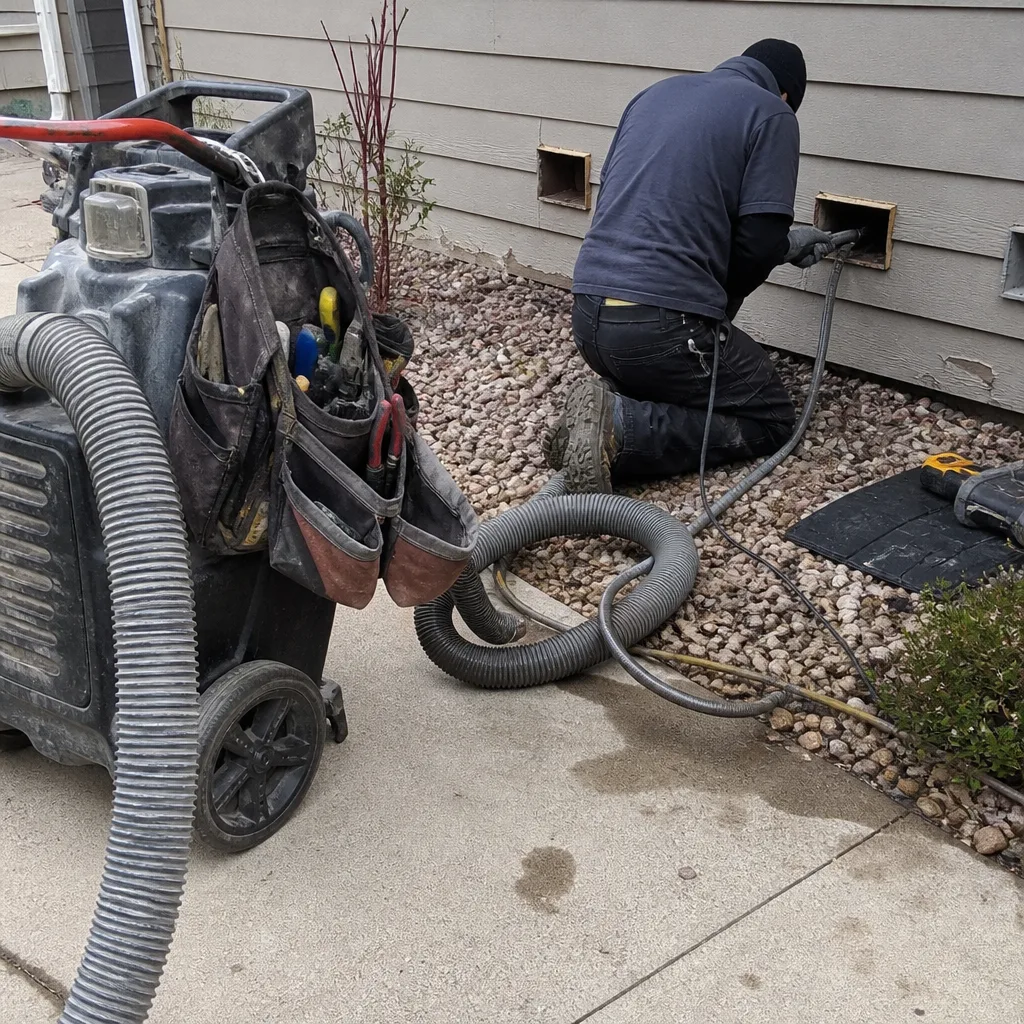 Before
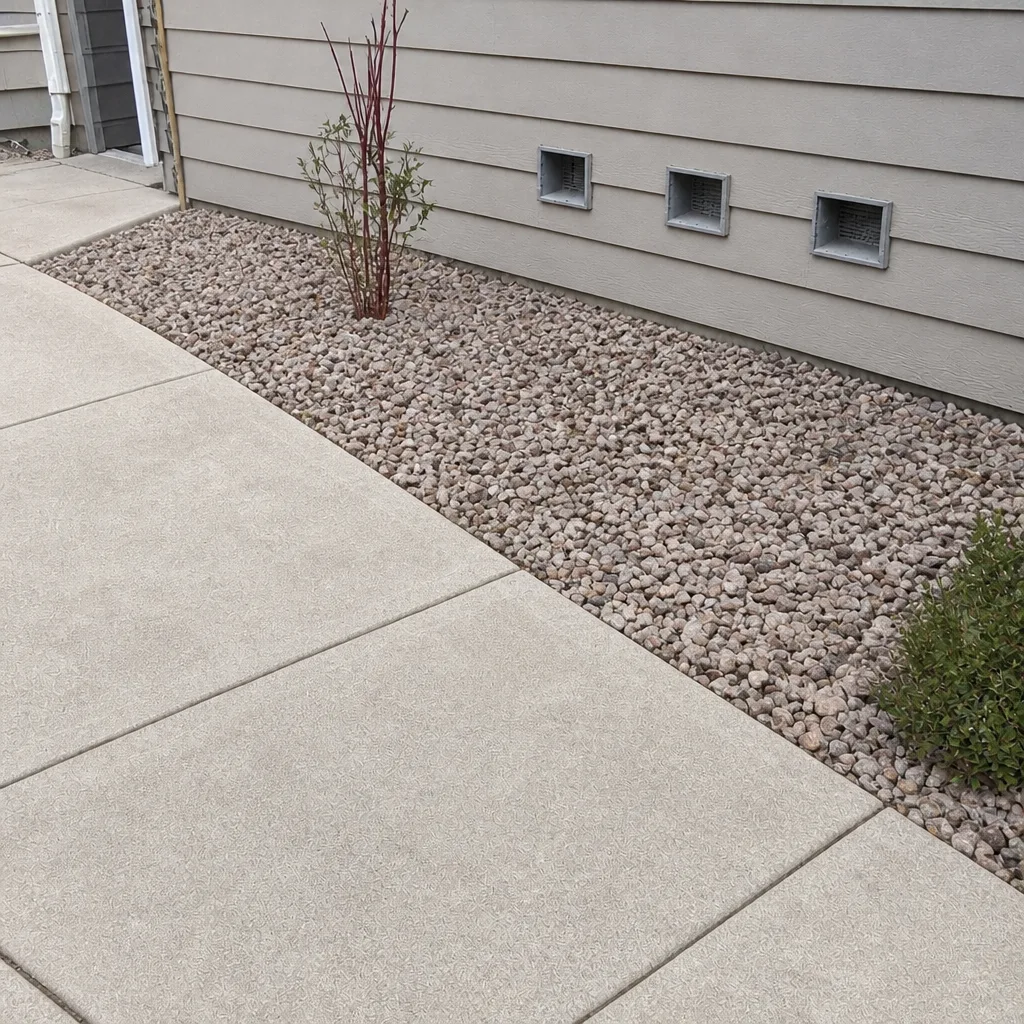 After
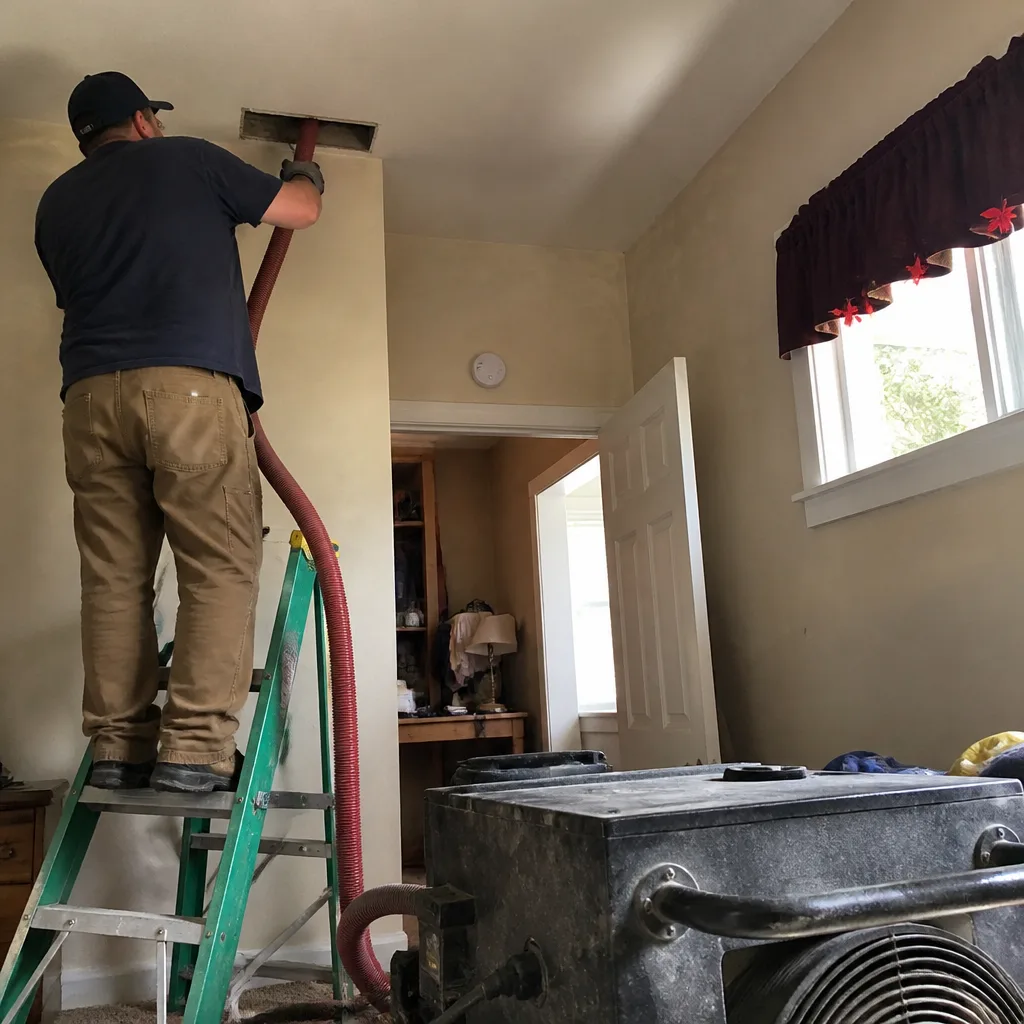 Before
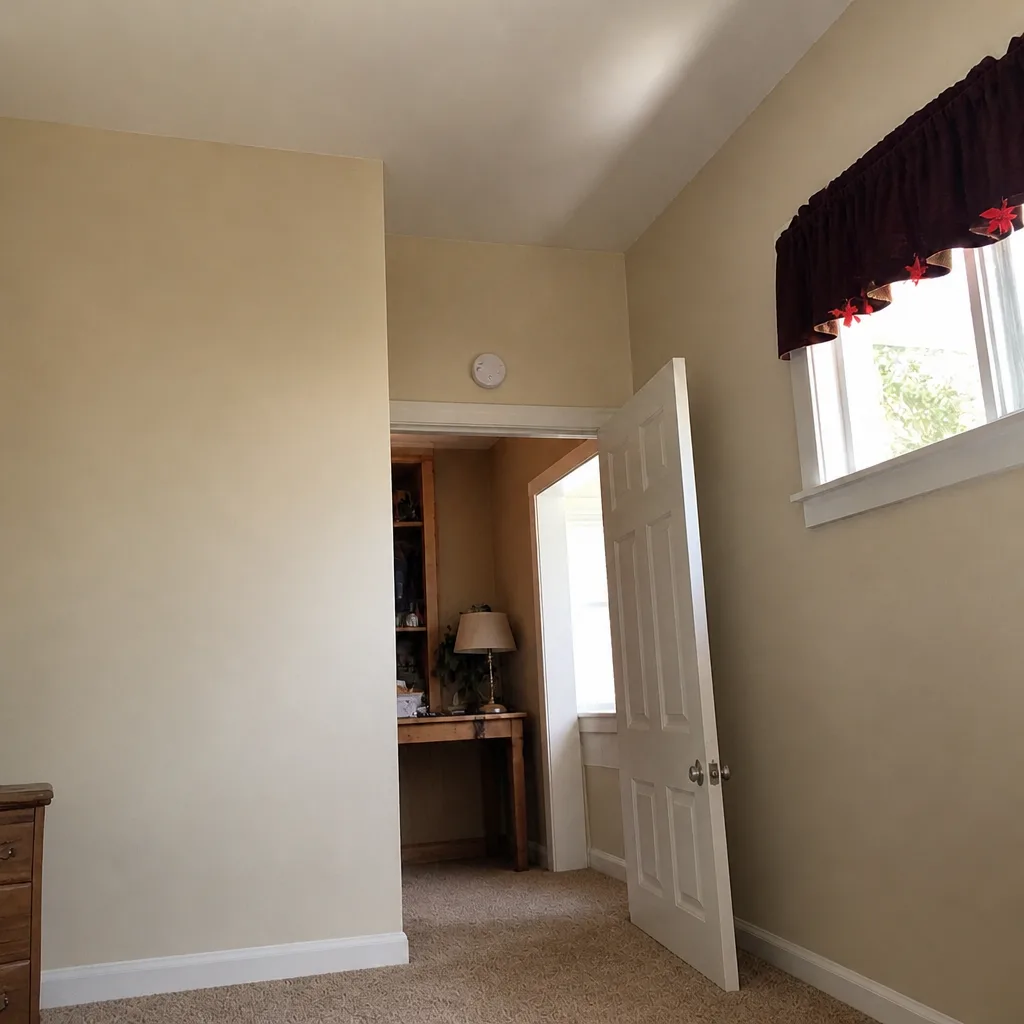 After
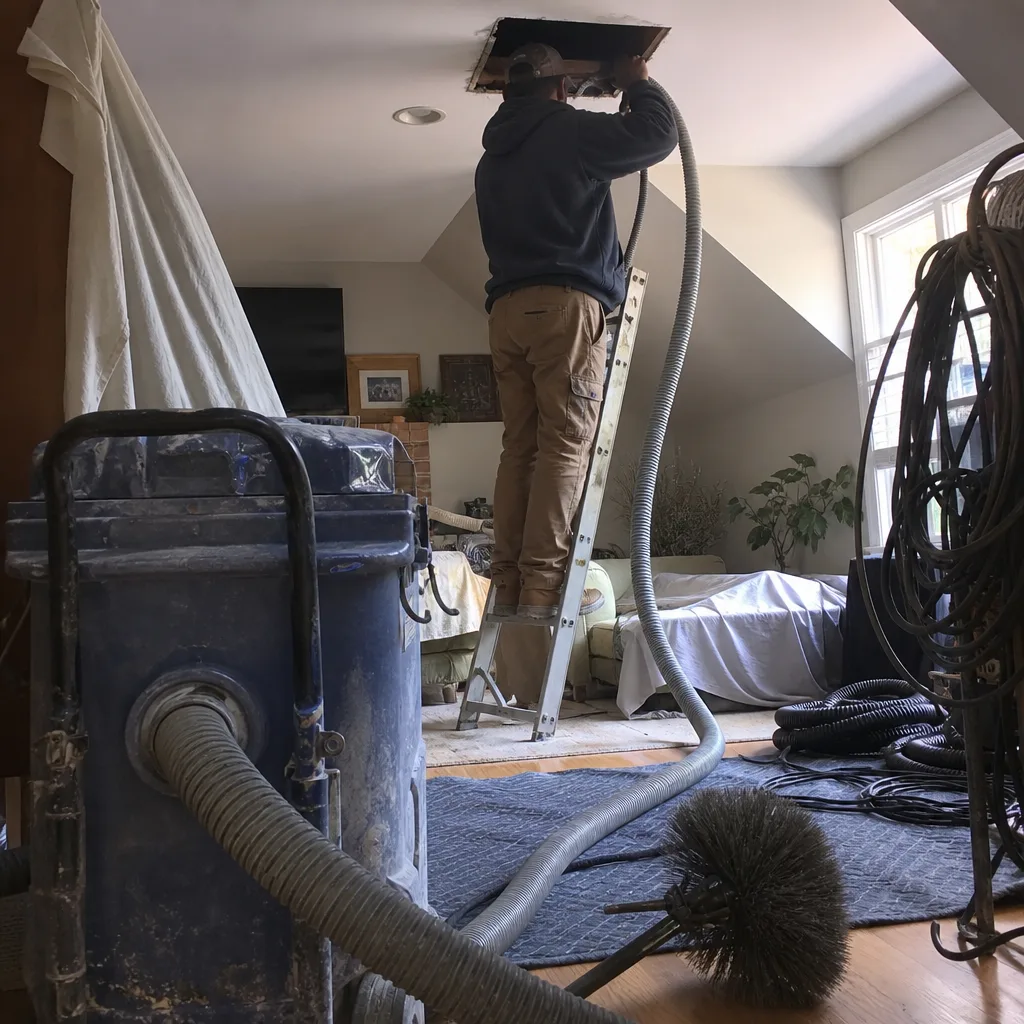 Before
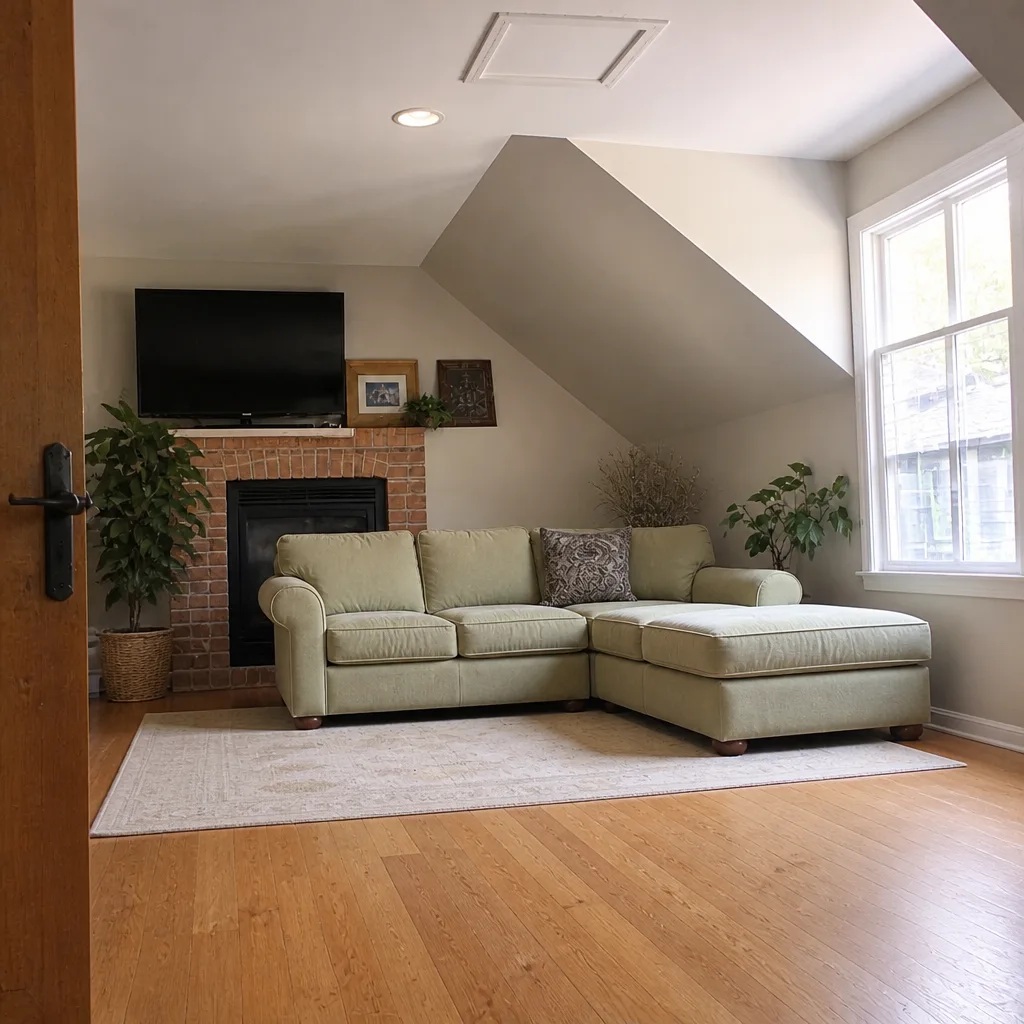 After
When to Call a Professional
There are a few situations in Boulder where the permit question is best answered by a local contractor who works both jurisdictions regularly. If a home inspector has flagged unpermitted duct work during a sale, if you’re considering a sealing upgrade and aren’t sure whether it crosses into permitted scope, if your duct system has visible crush points or disconnected runs, or if you want the cleaning scope documented correctly before you put the home on the market, that’s the moment to bring in help. It’s also worth calling if you’re a property manager trying to standardize duct documentation across multiple units; getting the paperwork right once and reusing the format saves a lot of headaches later.
Boulder Air Duct Cleaning Pros offers free estimates in Boulder, and we can review the scope with you, clarify what counts as cleaning versus repair, and point you to the right jurisdiction. Call (833) 554-4046. We answer 24/7. Fast dispatch from 7am to 7pm, Sunday through Friday.
Frequently Asked Questions
No. Air duct cleaning in Boulder, CO, does not require a permit because it’s classified as maintenance, not construction. The permit requirement kicks in when the work changes the duct system itself, such as replacement, rerouting, added registers, or system-level sealing that changes the duct’s performance rating. Call (833) 554-4046 for an exact quote; estimates are free.
Not always, because they’re separate jurisdictions with separate building departments. The City of Boulder and Boulder County each adopt the state mechanical code with their own amendments and review processes, and they may treat the same repair differently. Confirm your address’s jurisdiction with the correct building department before accepting a contractor’s answer. Call (833) 554-4046 for an exact quote; estimates are free.
Usually not, when it’s mastic or approved tape applied to existing joints as maintenance. It can require review when the sealing is a whole-system performance upgrade or is bundled with physical replacement. The method and scope decide it, not the marketing language. Call (833) 554-4046 for an exact quote; estimates are free.
The work needs to be disclosed, and you’ll want to establish whether the jurisdiction requires retroactive permitting or a corrected permit through a licensed contractor. The cleanest path is to have the scope documented, contact the correct building department, and resolve it before closing. Boulder buyers generally handle a disclosed and corrected repair fine; the surprise is what causes problems. Call (833) 554-4046 for an exact quote; estimates are free.
Read the scope line by line. Cleaning involves removing debris and contamination from an installed system. Repair involves replacing, rerouting, sealing beyond maintenance, or altering connections. If your invoice merges the two into one line, request a split-invoice clarification from the contractor. Call (833) 554-4046 for an exact quote; estimates are free.
No. Cleaning isn’t a permitted activity in Boulder, so there’s no city inspection of the clean-out itself. Repair work that required a permit is inspected. If you want documentation of the cleaning, ask for a before-and-after photo record and a written scope showing which rooms and openings were serviced. Call (833) 554-4046 for an exact quote; estimates are free.
The Bottom Line
The permit line in Boulder runs between cleaning and repair, not between certified and uncertified contractors. Cleaning is maintenance and needs no permit. Replacement, rerouting, added registers, and system-level sealing are construction, and the City of Boulder and Boulder County each have a building department that decides what applies. The simplest protection is documentation: a written scope that separates cleaning from repair, a permit number on the repair portion if one was required, and an inspection sign-off on file when the job closes. Do that, and you avoid the resale headaches most homeowners only discover during a sale. The guiding principle for any duct service is the same: know what’s being done, and have it in writing.
Written by the team at Boulder Air Duct Cleaning Pros.